Solar Investment Guide: Expert Tips for Maximum Returns
Solar power is a significant commitment. We have compiled the essential design principles, maintenance realities, and ROI strategies to ensure your system performs for decades.
Designing a utility-scale mega solar power plant is a complex undertaking. This guide outlines critical do's and don'ts, such as conducting thorough site analysis and implementing advanced monitoring, to ensure a successful and efficient project.
A practical tip for maximizing your solar savings is to use energy-intensive appliances during daylight hours. This aligns your consumption with peak energy generation, reducing reliance on the grid and lowering your electricity bills.
If you are thinking about investing in solar energy, it is important to do it right. We recommend researching thoroughly, assessing your energy needs, and considering your roof's condition, while not overlooking maintenance costs or future needs.
We explore the challenges and innovations in integrating solar power into urban landscapes. From smart grids to aesthetically pleasing solar solutions, we are focused on harnessing the sun's energy for sustainable city living.
Solar energy is a smart choice for businesses, whether they own or lease their premises. We offer solutions and financing options that make it possible for all businesses to benefit from sustainable energy and cost savings.
When upgrading your solar system for better efficiency, it is crucial to upgrade wisely. We advise consulting a professional, opting for high-quality components, and checking inverter compatibility to protect your investment.
Myth: Solar panels require a lot of maintenance. Fact: Solar panels are designed to be low-maintenance and durable. They typically only require occasional cleaning and a professional inspection to ensure they are performing correctly.
This infographic repeats key advice for designing large-scale solar plants. Careful planning around site analysis, panel orientation, grid integration, and maintenance access is non-negotiable for long-term success.
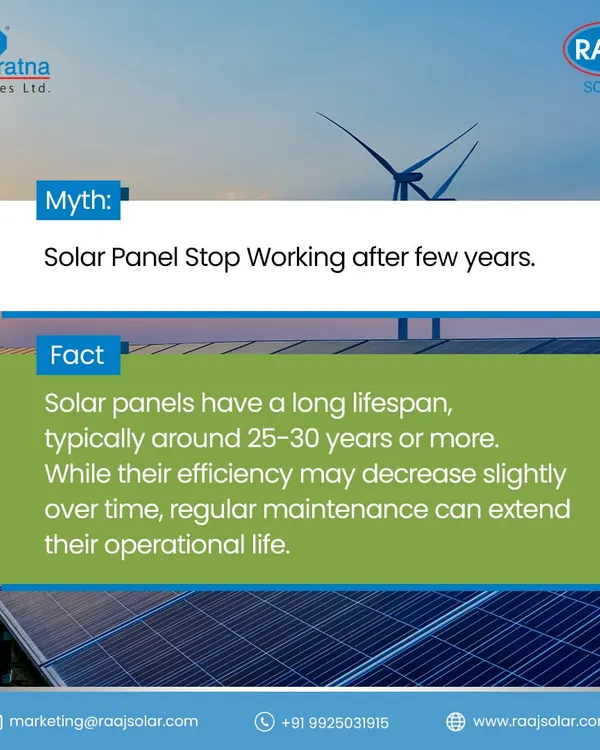
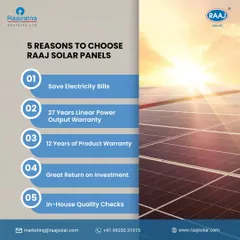
How long do solar panels last? Most high-quality solar panels come with a warranty of 25 years and can continue to produce power for 30 years or more with proper maintenance, making it a long-term investment.
Myth: Solar panels are fragile and can be easily damaged. Fact: Modern solar panels are built to be highly durable and can withstand harsh weather conditions, including hail and high winds. They are also covered by warranties for added protection.
About Solar Investment Guidance
Many clients assume solar savings happen automatically, but the real ROI comes from proactive load management. You must align your energy-intensive appliance usage, such as heavy ACs, motors, or industrial machines, with your peak daylight generation hours. Without this sync, you are feeding valuable energy back to the grid at lower rates instead of using it to directly offset your most expensive electricity consumption blocks.
Understanding Your Solar Investment
Investing in a solar PV system is an engineering decision, not just an aesthetic one. Whether for a rooftop at home or a utility-scale commercial plant, the long-term success of your asset relies on three pillars: design integrity, component quality, and continuous monitoring.
Why Maintenance Matters
Solar panels are durable, but they are not maintenance-free. Dust, bird droppings, and shading from nearby vegetation can create 'hotspots' that degrade panel efficiency. Our basic maintenance includes 24 cleaning cycles annually and visual safety checks to catch issues like loose wiring or micro-cracks before they cause power loss.
The Role of Technology in ROI
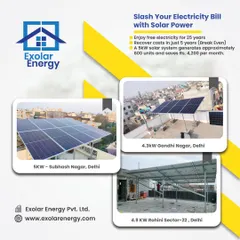
For higher efficiency, we implement AI-based performance monitoring. This allows us to track your plant's performance in real-time, comparing actual generation against expected output. If there is a dip, we know immediately. Our quarterly engineering audits—which include thermal imaging of electrical termination points and torque checks on mounting bolts—are designed to catch fire risks and mechanical stress early, ensuring your system pays for itself in the 3-5 year window we target for our clients.
Avoiding Common Pitfalls
- DIY Upgrades: Never attempt modifications without professional input; inverter compatibility is complex.
- Ignoring Shading: Even small shadows on a panel can significantly drop the performance of an entire string.
- Price Over Quality: Low-quality inverters or panels often lead to higher lifetime costs due to replacements and lost generation.
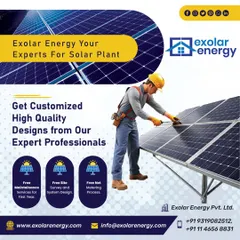
Our team handles everything from site audits to long-term asset management, ensuring your transition to solar is technically sound and financially rewarding.
Similar work from other experts
Browse through Curated picks from other experts on mytribe
 8
8
Solar Energy Investment: Maximize Your Financial Returns
 19
19
Solar Energy Guide: Expert Tips for Your Installation
 4
4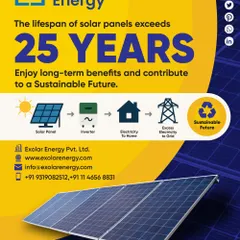
The Financial Benefits of Rooftop Solar Energy
Solar Tips & Myth Busters: Getting the Most from Your System
 5
5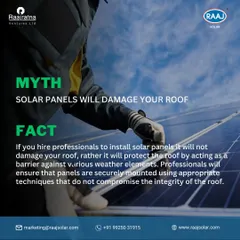
Protecting Your Long-Term Solar Investment
 37
37
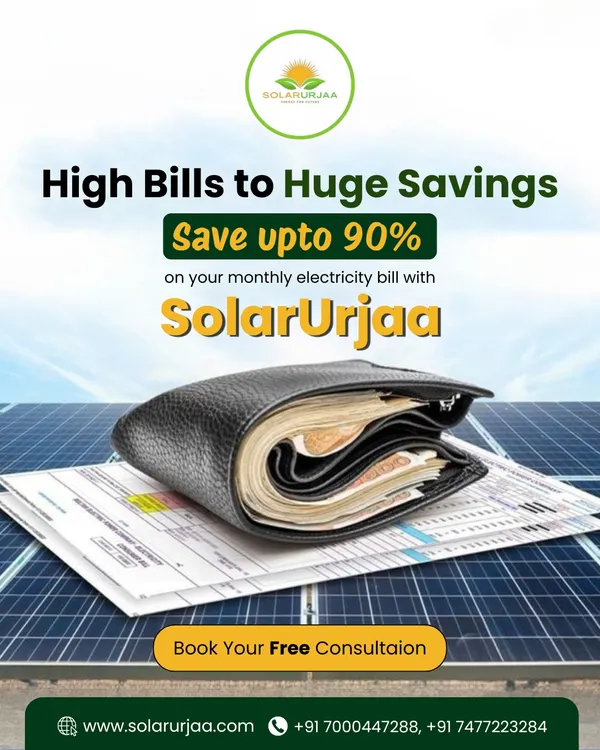
Turn Your Rooftop Into a Monthly Savings Account
More from Operations & Maintenance Services by Vibgyor Energy
More services by Vibgyor Energy