How Solar Power Systems Work for Your Home
Solar power is not just about panels on your roof. It is about understanding if you want to slash your monthly electricity bills or stay powered up during outages. Here is the simple breakdown of your options.
This diagram explains the difference between an off grid solar power system, which uses a battery bank, and an on grid system, which connects to the utility grid. We help you choose the right setup for your specific needs.
Here is a detailed look at how a grid tied solar system works, from the panels to the inverter and the meter. The second image shows a clean and professional installation of an off grid system's battery bank and inverters.
About How Solar Systems Work
The main choice you need to make comes down to your primary goal. An on-grid system is ideal if your main priority is lowering your electricity bills by feeding excess power back to the grid. However, if your area suffers from frequent power cuts and you need an uninterrupted power supply, a hybrid system with battery backup is the smarter investment to ensure your lights stay on.
On-Grid vs. Hybrid Systems
Choosing the right solar system depends entirely on your location and your power needs.
On-Grid Solar Systems This is the most cost-effective solution for reducing high electricity bills. These systems are connected to the local utility grid. When your panels generate more electricity than you consume, the excess is sent back to the grid through a process called net metering. You effectively get credits on your electricity bill. This is perfect for areas with stable electricity supply where the main goal is financial savings.
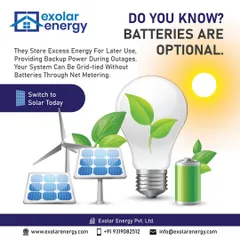
Hybrid and Off-Grid Systems If you deal with frequent power cuts, a simple on-grid system will shut down for safety reasons during an outage. This is where hybrid systems shine. They include battery storage, allowing you to store solar energy and use it when the grid goes down. We often recommend these for clients in specific Delhi-NCR sectors where power stability remains an issue.
The Process
We handle the technical complexity so you do not have to. This includes:
- Site Analysis: Assessing your roof orientation and current power consumption.
- System Design: Custom sizing for your specific energy needs.
- Paperwork: Managing government subsidy applications and DISCOM net metering connectivity.
Whether you are looking to retrofit a small rooftop or install a full solar plant, we design systems that are built to last and perform efficiently in local climate conditions.
Similar work from other experts
Browse through Curated picks from other experts on mytribe
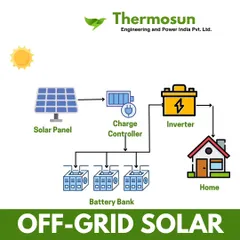
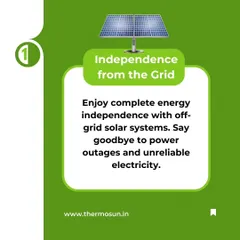
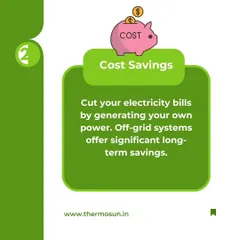
Off-Grid Solar Solutions for 24/7 Power
 47
47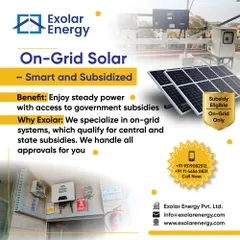
Understanding Rooftop Solar for Your Home
Rooftop Solar Projects for Efficient Home Energy Savings
Solar Energy Explained: Simple Facts & Tips
More from Solar Solutions by Unique Automations
More services by Unique Automations