Tinkering Trivia: Science Facts & DIY Hacks
Welcome to my corner of curiosity. I break down the science behind everyday tech and share DIY hacks to help you start experimenting at home.
Did you know the name "Bluetooth" comes from a 10th-century Danish king known for unifying warring tribes? I explain how engineers at Intel took inspiration from this historic unifier for their new wireless technology.
For our 3D printed kits, we use a special biodegradable plastic called PLA, which is made from sustainable resources like corn and sugarcane. It's one way we try to create with a conscience.
Here's a quick tinkering hack. If you want super glue to bond faster and stronger, just add a little bit of baking soda. It's a simple chemical reaction that works wonders.
Here's a cool fact: LEDs and solar panels are essentially the reverse of each other. An LED turns electricity into light, while a solar panel turns light into electricity, both using the same semiconductor principles.
Ever wonder how a CD works? It's basically a sandwich of plastic and reflective film with tiny pits that a laser reads as zeros and ones. Here, I break down this fascinating piece of old-school tech.
I once got hotter as I climbed higher up a snowy mountain. The reason is a scientific principle called the albedo effect. The white snow acts like a giant mirror, reflecting sunlight right back at you.
Here's a life hack for you. I built this simple water alarm sensor using some broken plastic bits and basic circuitry to prevent my RO water filter from overflowing. It's a great way to save water.
Welcome to our Tinkering Heroes series. Our first hero is Leonardo da Vinci, a master of curiosity. He designed a parachute and a giant catapult centuries before they were common.
Da Vinci's greatest strength was his sense of wonder. When he wanted to understand something, he observed it closely, took notes, and worked to figure it out, all without formal schooling.
Da Vinci's inventions were incredible. He designed a musical instrument called the viola organ and even built a mechanical knight that could walk and wave its arms.
About Learn With Us: Tinkering Trivia & Tips
I’ve found that the best way to get kids excited about STEM isn't through textbooks, but by demystifying the objects they use every day. Whether it's understanding why an RO filter overflows or how a simple CD stores music, these aren't just trivia points—they are starting lines for your own experiments. If you want to dive deeper, I suggest starting with a kit that lets you build the mechanics yourself, rather than just reading about them.
At Tinkernauts, we see every object as a chance to learn. You will see us breaking down everything from Da Vinci’s early designs to the science of LEDs and solar panels. We do this to show that innovation is not magic, it is observation. My goal with these tips and trivia is to strip away the intimidating layer of technical jargon. When I explain how a simple baking soda hack makes super glue stronger, I am showing you that you do not need expensive lab equipment to start experimenting. You just need curiosity. Whether you are in Bengaluru or anywhere else in India, our kits bring this exact maker mindset to your living room. We use biodegradable PLA for our 3D printed parts because we want to teach responsibility alongside resilience. You will find that our projects, like the catapult or electronic gadgets, are designed to fail—because that is where the real learning happens. We call these mistakes prototypes. So, look through these examples, pick a concept that sparks interest, and let us help you get your hands dirty.
Similar work from other experts
Browse through Curated picks from other experts on mytribe
DIY Science Experiments to Spark Curiosity at Home
Hands-on Science Projects That Make Learning Click

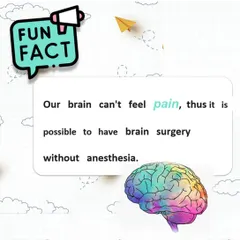
STEM Fun Facts & Robotics Insights
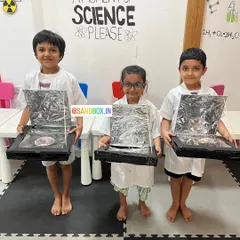
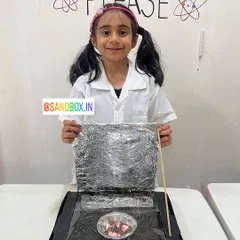
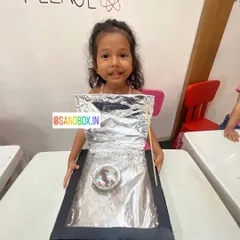
Everyday Science Discoveries for Young Explorers
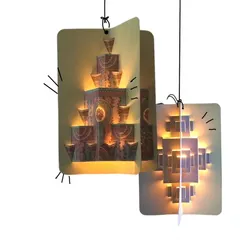
DIY Science & Art Projects by Paper Crane Lab
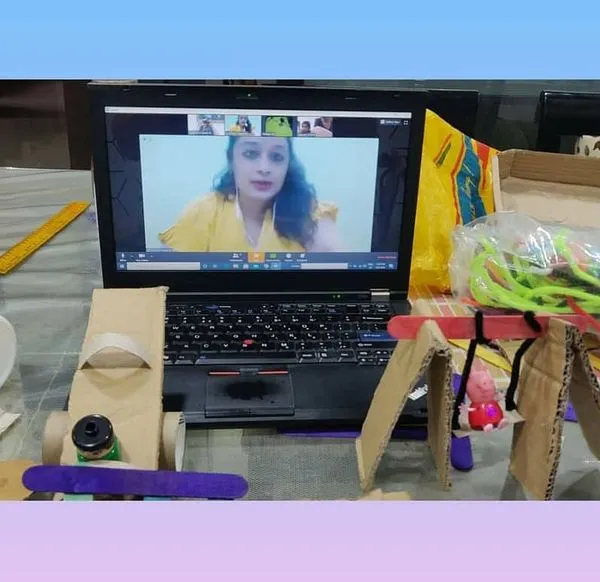 15
15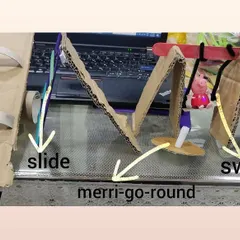
Hands-On STEM & Science Projects for Kids
More from DIY STEM & Tinkering Kits by Tinkernauts
More services by Tinkernauts