Startup Legal Services: Incorporation, Funding & Compliance
Founding a startup involves a maze of legal requirements. I help you navigate company incorporation, founder agreements, and regulatory compliance with clear, practical advice.
Choosing the right business structure is the first critical decision for any founder. I explain the key differences between an LLP, a partnership, and a company, helping you understand which is the optimal choice for your startup, especially if you plan to seek investment.
In a business, are they partners or shareholders? This isn't just a question of words; it's a legal distinction with major consequences. I clarify the differences between a company governed by the Companies Act and a partnership, a fundamental concept every startup founder must understand.
What is a company promoter? Drawing on insights from Bella Vita founder Aakash Anand, I explain the legal definition of a "promoter" under the Companies Act, 2013. Understanding this role is vital as it comes with significant legal liabilities and responsibilities.
A co-founder agreement is your startup's pre-nup. In this clip, inspired by a discussion with CarDekho founder Amit Jain, I explain why an arbitration clause is essential in your co-founder agreement to resolve disputes privately and efficiently, protecting your company's reputation.
A co-founder relationship is like a marriage; commitment is key. I explain the importance of a time-based vesting clause in your co-founder agreement. This legal tool ensures that equity is earned over time, protecting the business if a founder decides to walk away early.
In the real world, investment deals aren't closed in 15 minutes like on Shark Tank. I break down the purpose of a term sheet, a crucial non-binding document that outlines the terms of an investment before the final agreements are signed.
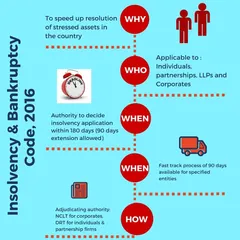
Shutting down a startup like Koo is legally more complex than starting one. I outline the voluntary winding-up process under the Insolvency and Bankruptcy Code, which involves board resolutions, member approvals, and final dissolution orders from the NCLT.
The BlueSmart Mobility case, backed by celebrities like MS Dhoni and Deepika Padukone, is a lesson in corporate governance. I analyze how the founders' alleged misuse of company loans for personal expenses led to a SEBI ban and severe financial distress for the company.
Preity Zinta's legal dispute with her Punjab IPL team's shareholders highlights a key clause in shareholder agreements: the Right of First Refusal (ROFR). I explain how this clause works and why it's critical for controlling share transfers to outside parties.
Faking numbers to secure funding on platforms like Shark Tank isn't just unethical, it's a criminal offense. I explain how misrepresenting financials to induce investment constitutes "cheating" under Section 318 of the Bharatiya Nyaya Sanhita.
About Startup Formation, Funding & Compliance
Many founders rush into a Private Limited registration without checking if an LLP fits their growth plans better. I don't just file your forms; I examine your funding roadmap. If you are planning to raise venture capital, a Private Limited structure is non-negotiable, but if you are bootstrapping a service business, an LLP can save you significant annual compliance costs. My focus is on setting your structure right from day one, rather than just handling the paperwork.
Building a Solid Legal Foundation
Starting a business is exciting, but the legal architecture you choose today dictates your operational freedom tomorrow. I guide founders through the entire journey—from picking between a Private Limited company and an LLP to securing your IP.
Why Structure Matters
Choosing the right entity is your first major decision. A Private Limited company is essential for attracting venture capital, but it comes with strict ROC (Registrar of Companies) compliance. An LLP offers more flexibility and lower compliance burdens. I analyze your business goals—whether you are a tech startup or a traditional business—to ensure you do not over-invest in compliance or lock yourself into an inefficient structure.
Protecting Your Vision
Your founder agreement is the most important document you will sign. Without vesting clauses, a co-founder who leaves early can hold onto equity, potentially stalling your ability to bring on new partners or investors. I draft agreements that define roles, decision-making rights, and exit mechanisms clearly, protecting the company from future disputes. I also assist with:
- Term Sheet Review: Understanding the fine print before you sign on the dotted line.
- Employment Contracts: Drafting enforceable lock-in periods and IP assignment clauses so the company owns the work.
- Compliance & Filing: Handling everything from DIN issuance and MOA/AOA drafting to annual ROC filings and data privacy compliance.
Legal isn't just about filing papers; it's about avoiding pitfalls like MSME invoice recovery issues or accidental non-compliance that could lead to fines. Whether you are a first-time founder or a repeat entrepreneur, I provide the 'seedhi baat'—straight talk—you need to keep your business safe and compliant.
Similar work from other experts
Browse through Curated picks from other experts on mytribe
Choosing the Right Business Structure for Your Startup
 10
10
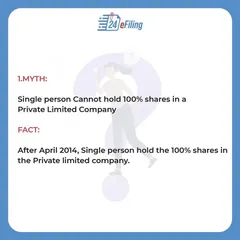
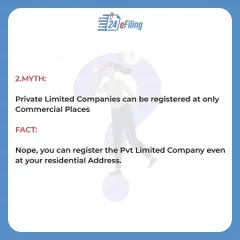
Choosing the Right Company Structure for Your Startup
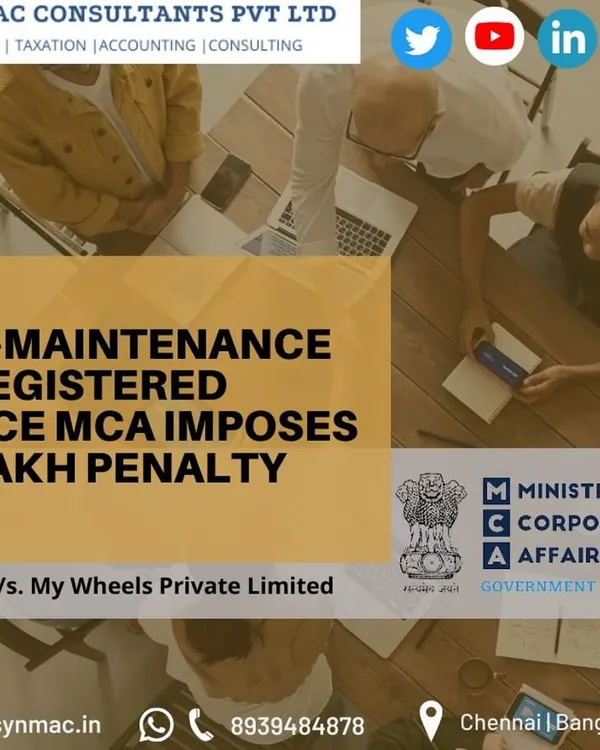 5
5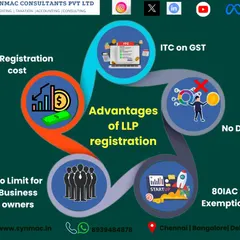
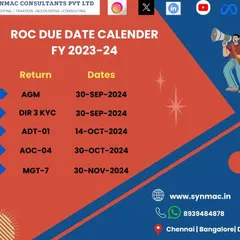
Expert Business Registration & Tax Compliance Services
Corporate Structuring & Business Governance
 5
5
Streamlining Your Business Setup in Delhi
 5
5
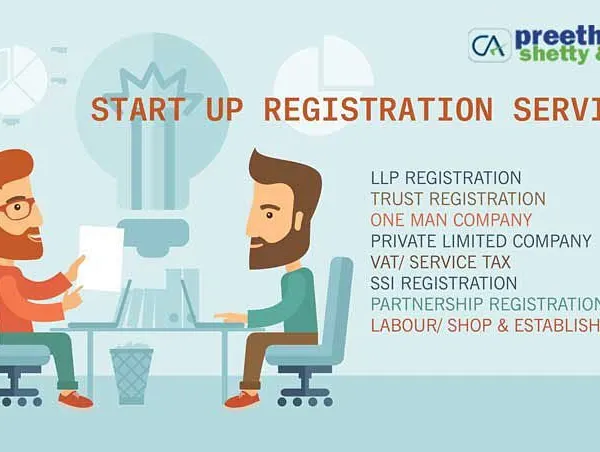
Startup Registration and Business Compliance Services
More from Startup & Corporate Legal Advisory by The One Minute Lawyer
More services by The One Minute Lawyer