Beginner Music Guides and Instrument Learning Tips
Thinking about starting a musical journey? We have gathered our simple instrument guides and practice tips to help you get started comfortably.
The ultimate instrumental guide to the guitar. This post is the perfect starting point for anyone who wants to pluck and play.
Let's start with the basics: the anatomy of the guitar. Understanding the different parts of your instrument is the first step to mastering it.
Learning the names of the six guitar strings is essential. We even have a fun pro-tip to help you remember: Easter Bunny Got Dizzy And Exploded.
How to hold a guitar correctly is crucial for comfort and proper technique. This guide shows the correct posture for both right-handed and left-handed players.
Here are six tips to help you practice guitar more effectively. From daily practice to warming up your fingers, these habits will help you improve faster.
Ready to dive deeper into the world of guitar? Send us a message for personalized mentorship. Our expert instructors are ready to guide you.
A visual journey through the evolution of the electric guitar. Explore the history that shaped the sound of modern music.
The history of the electric guitar begins in the 1930s with "The Frying Pan," the first commercially produced electric guitar.
In the late 1930s, the Gibson ES-150 became the first commercially successful electric guitar, popularized during the Swing Era.
The 1950s were a revolutionary decade, with Leo Fender's Telecaster and Les Paul's iconic Gibson Les Paul changing guitar design forever.
About Free Lessons & Instrument Guides
The biggest hurdle isn't the theory; it is knowing where to start without feeling overwhelmed. Before you buy an expensive instrument, try our rental program. It lets you get your hands on a guitar or keyboard for a few months so you can see if the instrument actually suits you before you commit to purchasing one.
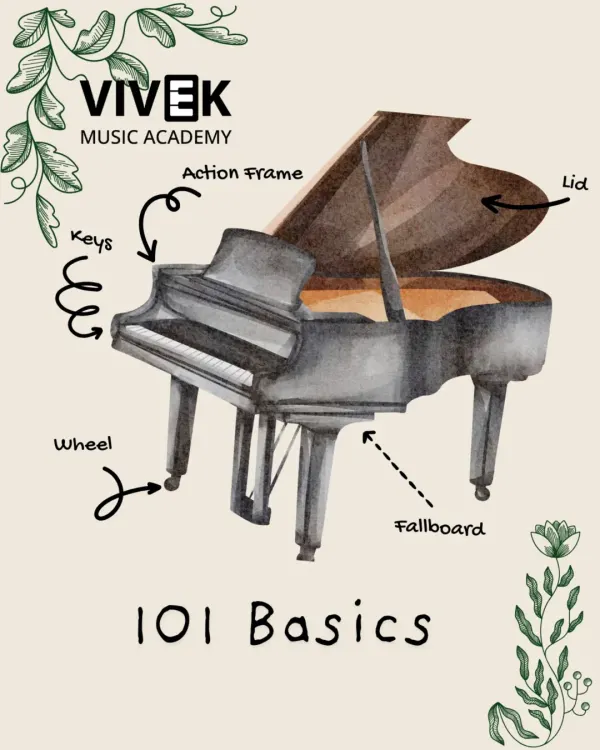
Learning the anatomy of your instrument—whether it is the neck of a guitar or the pedals of a piano—is the foundation of every session we hold. Our mentors often see beginners jump straight into complex chords, which leads to frustration. Instead, we focus on hand placement and posture first. It is the boring stuff that makes the music sound good later.
Why Start with Guides?
We created these resources because we know the hardest part of music is the beginning. You do not need to be a prodigy to enjoy playing. Whether you are in Worli or learning online, the process remains the same: steady practice, a dedicated mentor, and the right instrument for your hand size.
Our Approach to Learning
We have stripped away the stiff, homework-style teaching method. Instead, we offer:
- Swirl ACE: If you want to get certified with Trinity or ABRSM, we focus on the syllabus with precision.
- Swirl APPLAUSE: If you want to play in a band or get comfortable on a mic, we work on stage presence.
- Swirl AFICIONADO: If you just want to relax and play your favorite songs after a long day at work, this is for you.
No matter which path you choose, our mentors are here to keep you consistent. Music is a skill, and like any skill, it takes time. But if you have the passion, we will make sure you have the fun to match it.
Similar work from other experts
Browse through Curated picks from other experts on mytribe
Master Your Instrument: Quick Lessons & Studio Tips
 5
5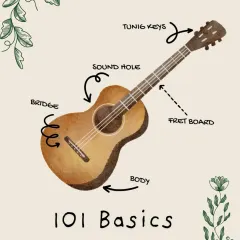
Music 101: Mastering the Basics of Music Theory

Join Our Live Online Music Courses
 6
6
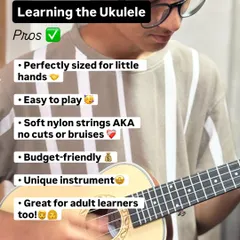

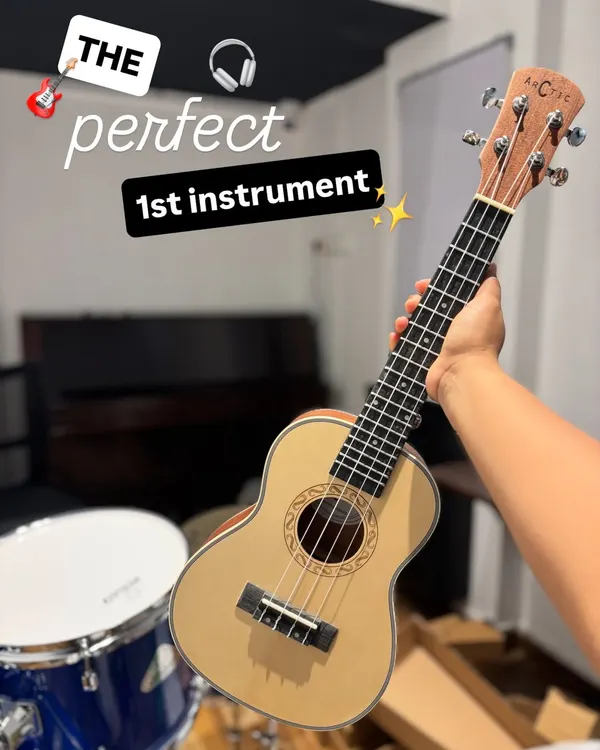
Start Your Musical Journey: Ukulele Lessons in Navi Mumbai
Quick Tips & Licks: Master Your Instrument with Taaqademy
Guitar & Keyboard Lessons
More from Music Lessons by Swirl Music
More services by Swirl Music