Understanding Your Form 16 and Salary Taxes
Confused by Part A and Part B of your Form 16? You are not alone. Whether you are switching jobs, navigating ESOPs, or just trying to file your ITR without headaches, we help you decode these documents to stay compliant and save money.
Form 16 is divided into two parts. This image explains Part A, which is a summary of the tax deducted at source (TDS) by your employer and includes essential details like your employer's PAN and TAN.
This image details Part B of Form 16. It provides an in-depth breakdown of your salary, including allowances, bonuses, deductions, and the final calculation of your taxable income.
Changing jobs has specific tax implications. This graphic explains the first step: collecting Form 16 from each employer to ensure all your income is correctly reported.
When you have multiple Form 16s, it is important to check employer details and review the salary breakup in each. This ensures all information provided to the income tax department is accurate.
This image explains how to consolidate your income when you have worked for multiple employers. You must combine income, ensure correct TDS deductions, and consider any unclaimed deductions.
After combining your income, you need to consider the applicable tax slab and adjust for any losses. This ensures you file your tax returns appropriately with the consolidated income figure.
Perquisites, or perks, are benefits you receive from your employer. This graphic explains how different types of perquisites, like rent-free accommodation or use of a company car, are reflected in Form 16.
Arrears and bonuses have specific tax treatments. This image shows how they are displayed as separate entries in Form 16, with TDS often calculated separately to ensure accuracy.
Leave encashment and gratuity are also part of your income. This guide explains how these amounts are reflected in Form 16, detailing the taxable and exempted portions for clarity during tax filing.
Employee Stock Options (ESOPs) have unique tax implications. This image explains how ESOPs are treated as a perquisite at the time of exercise and reflected in your Form 16.
About Understanding Your Salary & Taxes (Form 16 Guide)
One of the most common tax notices we see comes from people switching jobs during the financial year. They often file with only one Form 16, forgetting the second, which causes an immediate mismatch with the Income Tax Department's records. Whether you are dealing with ESOPs, arrears, or just trying to reconcile your HRA and LTA, we catch these gaps before they turn into penalties. Let us handle the paperwork so you can stop worrying about your ITR.
Decoding Form 16: Your Salary Tax Roadmap
Think of your Form 16 as the final report card of your annual salary and the taxes paid on it. We break it down into the two parts that actually matter:
- Part A: This is your TDS summary. It contains your employer's details, your PAN, and the actual amount of tax deducted and deposited with the government. If the information here doesn't match your Form 26AS, expect a notice.
- Part B: This is where the magic (and the math) happens. It details your salary breakup, including HRA, LTA, and those standard deductions under Section 80C.
Why Professional Review Matters
Many salaried employees in Bangalore assume that because their company provides Form 16, their tax filing is complete. However, we often find:
- Unclaimed Deductions: Missing out on deductions like medical insurance (80D) or interest on education loans that aren't in your office payroll system.
- ESOP Taxation: ESOPs are often treated as perquisites. If they aren't calculated correctly at the time of exercise, you could be under-reporting income.
- The Job-Switch Gap: When you change employers, the 'new' company might not have the full picture of your 'old' salary, leading to incorrect TDS. We use Form 12B to ensure your tax slabs are calculated correctly for the entire year.
Don't let a simple clerical error in your salary statement become a financial burden. We help you consolidate your income, reconcile your TDS, and ensure your ITR filing is error-free from the start.
Similar work from other experts
Browse through Curated picks from other experts on mytribe
 48
48

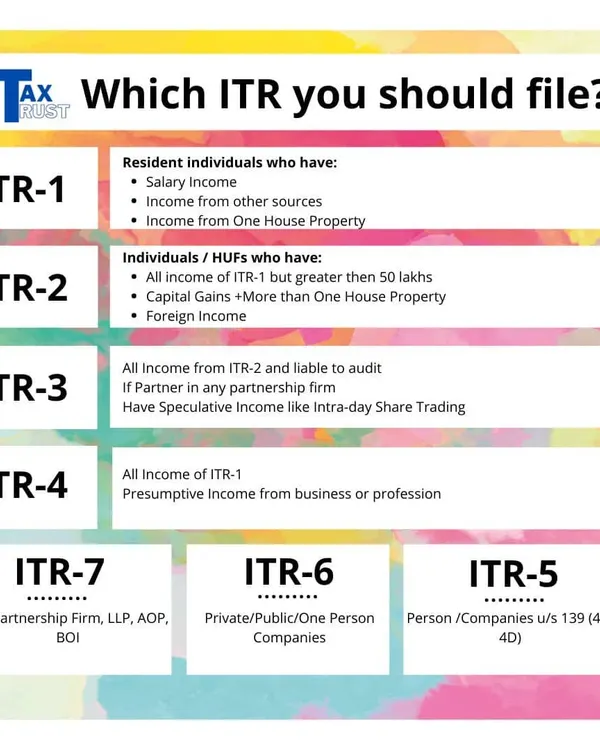
Income Tax Filing Made Simple

ITR Filing and Income Tax Guidance

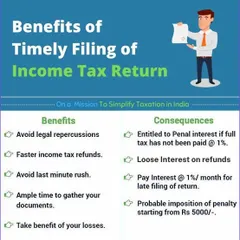
Income Tax Explained: Expert Filing and Compliance Solutions
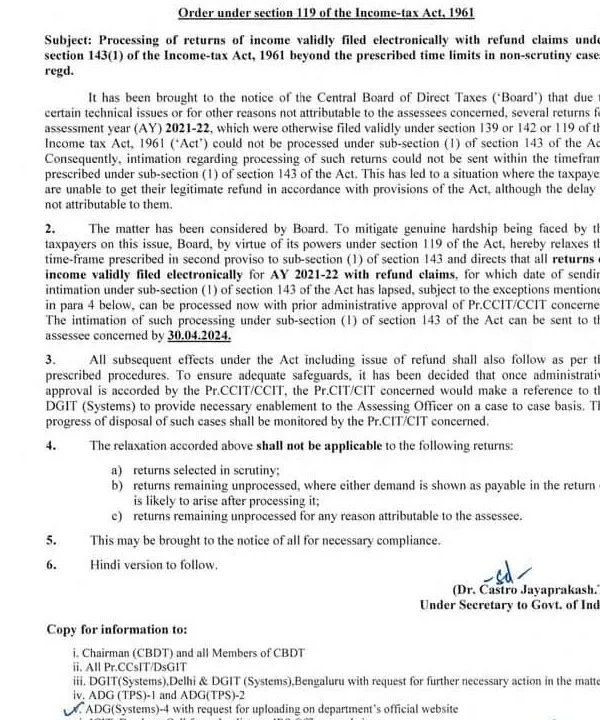 6
6
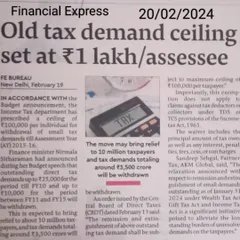

Direct Tax Updates and Income Tax Filing Services in Bangalore
 4
4

Tax Advisory and Compliance Services
 4
4


Practical Tax and Accounting Services for Your Business
More from Accounting, Tax & Compliance by SS Auditors & Tax Consultants
More services by SS Auditors & Tax Consultants