Architectural Design Process and Collaborative Projects
Architecture is a conversation between the past and the present. Here is a look at our process of sketches, site studies, and collective dialogues.
This reel shows the evolution of an urban design studio project for Medikeri Fort, from site analysis and conceptual sketches to detailed drawings and student reviews. It reflects my belief in a hands-on, research-based approach to architectural education and practice.
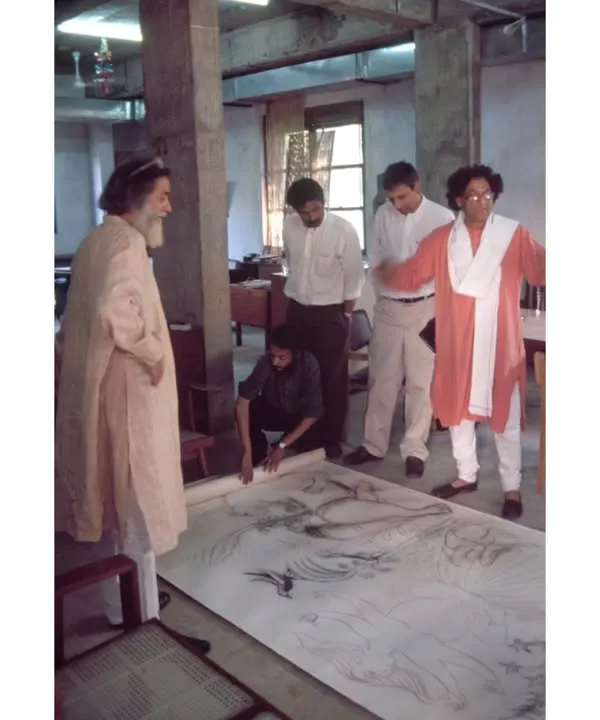
A cherished memory of sharing my work with the late B.V. Doshi, a foundational figure in my architectural journey. These moments of mentorship and conversation are vital, recharging the spirit and clarifying the purpose of our work.
In conversation with my mentor, B.V. Doshi, explaining a project. The opportunity to learn from and be in dialogue with masters is a privilege that has profoundly shaped my architectural thinking.
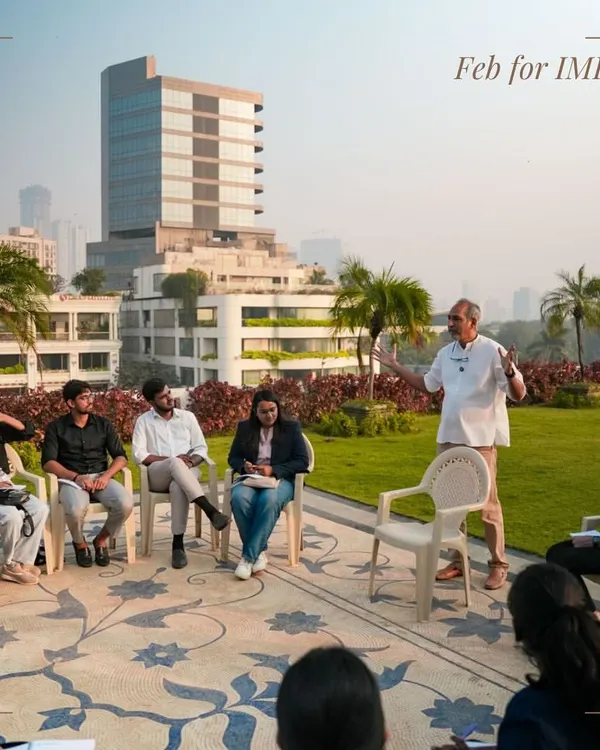
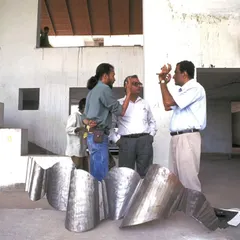
A discussion with fellow architects at Studio Thirdspace. The exchange of ideas is the lifeblood of our profession, and these informal conversations often lead to the most profound insights.
Collaboration is a physical act of listening and responding. Every project is a team effort, enriched by the diverse perspectives of artists, craftspeople, and other thinkers.
On-site in the old city of Tiruchirapalli with local architects before a design workshop. Understanding a place begins with walking its streets and talking to the people who know it best.
A morning cup of filter coffee at a local shop in Tiruchirapalli. The most meaningful design discussions often happen in the most unassuming settings, grounded in the everyday life of a place.
An exhibition space at SEED Kochi, where student work is displayed alongside professional art. This environment, where old structures house new ideas, perfectly reflects the ethos of adaptive reuse.
Student sketches displayed against a wall where the original laterite brick is exposed. This juxtaposition of new analysis and old material is a powerful teaching tool, showing the direct connection between study and the physical reality of a building.
About Process & Collaboration: A Shared Dialogue
We believe that the best design emerges from an open dialogue, not a closed studio. Whether it is an urban design project or a heritage restoration, we involve diverse perspectives—from students and local artisans to fellow architects—to test our ideas. This collaborative approach means your project is scrutinized and refined by multiple viewpoints before the first stone is ever laid.
Our Design Methodology
Our design process is rooted in the concept of the 'Design Charrette.' We rarely work in isolation. You will see this reflected in our collaborative work with institutions like WCFA Mysuru and SEED Kochi, where we subject our conceptual sketches to rigorous review. For us, architecture is not just about placing walls; it is about managing a choreography of space and memory.
Why Collaboration Matters
When you engage our studio, you are not just hiring a service provider. You are entering a partnership that values the socio-political context of the space. We navigate the complexities of adaptive reuse by balancing modern functionality with the inherent memory of the site, ensuring that the final output is not just a building, but a space with a narrative.
From Research to Reality
Architectural conservation starts with 'listening' to the site. We treat the early stages of a project as a research phase, documented through measured drawings, material samples, and an exploration of local vernacular techniques. This thorough documentation—what we call our 'heritage diagnostics'—ensures that when we intervene, we do so with an understanding of the structure's original soul.
We don't just design buildings. We work with artists, engineers, and craftspeople to ensure that every structural intervention, from MEP integration to façade redesign, respects the existing framework while meeting contemporary standards.
Similar work from other experts
Browse through Curated picks from other experts on mytribe
 8
8
Inside Our Studio: The Collaborative Architectural Process
 6
6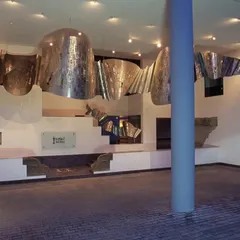
Architectural Design Process and Collaborative Craftsmanship
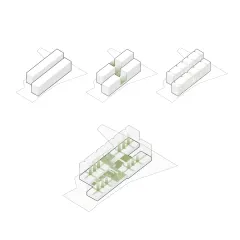
Our Architectural Design Process: From Sketch to Structure
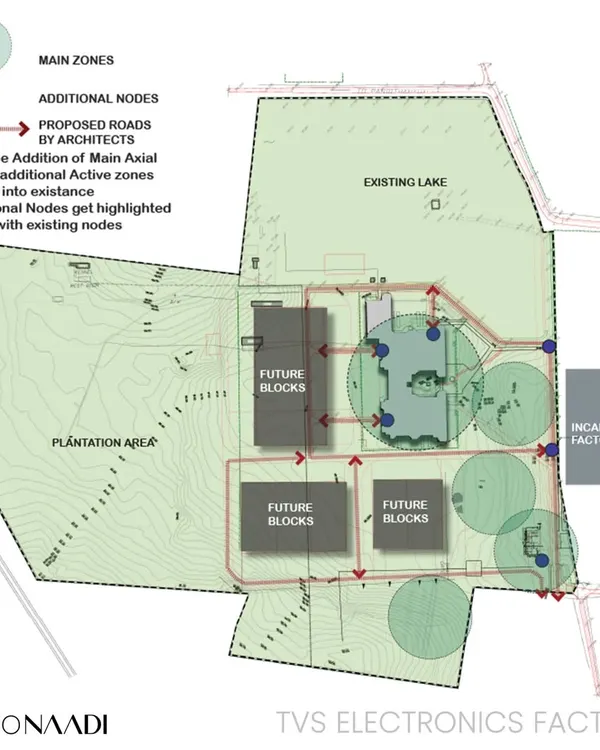 29
29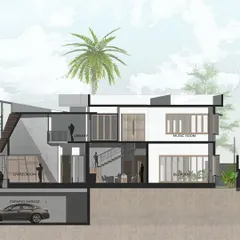
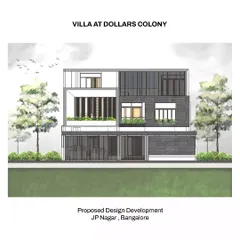
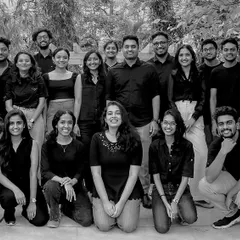
Our Architectural Design Process in Practice
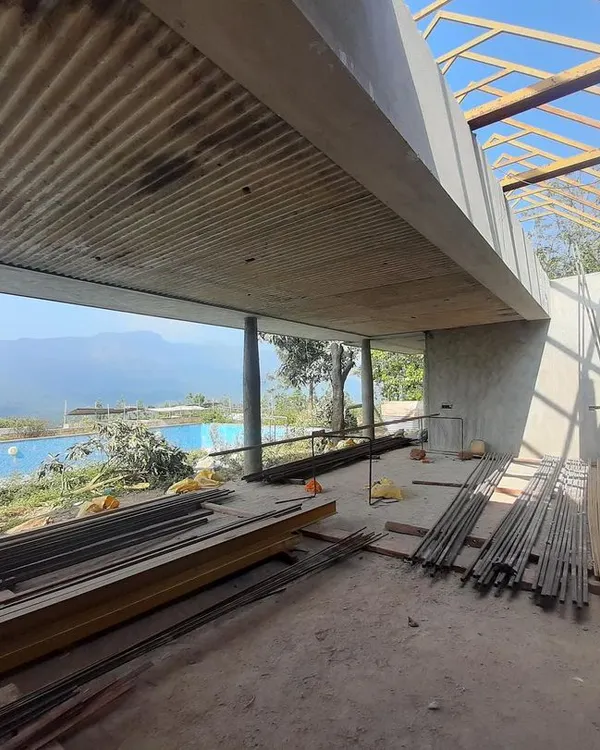 18
18
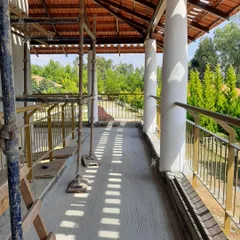
From Sketch to Structure: Our Architectural Design Process
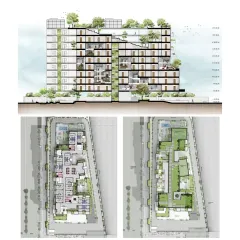
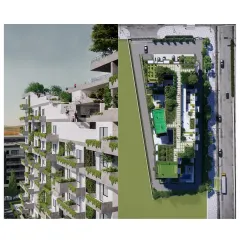
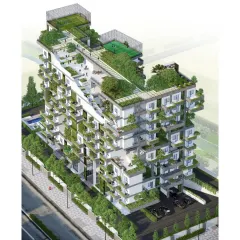
The Architect's Hand: From Sketch to Structure
More from Architectural Conservation & Adaptive Reuse by Soumitro Ghosh
More services by Soumitro Ghosh