Architectural Studies: Listening to History
I document vernacular architecture and historical structures to understand the principles of resilience, climate response, and material longevity.
A detailed look at the Kasivisvesvara Temple in Lakkundi, a remarkable example of Kalyana Chalukya architecture. I study how it synthesizes diverse architectural styles, from Nagara to Dravida, creating a unique and sophisticated form. The temple's intricate carvings and structural innovations provide deep insights into historical design principles.
The columns at Kasivisvesvara temple, though arranged in a grid, are each unique in their detail. This creates an ever-changing series of perspectives as one moves through the space, a lesson in how variation within a system can enrich the human experience of architecture.
An entrance passage at Majumdar Wada in Vadodara, where the upper floor bridges the street. This image captures the integration of private dwelling and public thoroughfare, a common feature in the dense fabric of traditional Indian cities.
A weathered wall and window at Majumdar Wada. The textures of peeling plaster, exposed brick, and aged wood tell a story of time and use. These are the surfaces that I believe hold the memory of a place.
The intricately carved wooden balcony of a Wada in Baroda. These structures demonstrate a sophisticated understanding of material, climate response, and ornamentation in vernacular architecture.
The ruins of a portion of Majumdar Wada, where nature begins to reclaim the structure. Observing this process informs my understanding of material decay and the long-term life cycle of buildings.
A facade at Majumdar Wada showing a wooden balcony and doorways. The varying colors and states of repair reflect the building's continuous, layered history of occupation and adaptation.
The side of a building at the Wada, showing the texture of the wall and the simple, functional form of a drainpipe. Even the most utilitarian elements contribute to the building's overall character.
A view looking up at the weathered facade and windows of a traditional building in Vadodara. The simple, functional design of the window shutters and awnings is a response to the local climate.
A close-up of a rusted metal grille and the surrounding decaying wall. This detail highlights the beauty in imperfection and the stories told by materials as they age.
About Architectural Studies: Listening to History
When I study a heritage site, my focus is on the inherent logic of the construction—how materials like lime mortar and timber interact with the climate over decades. If you are looking to restore a property, I recommend starting with a structural diagnostic; knowing whether a wall is load-bearing or merely decorative is often the difference between a successful restoration and a costly structural error.
My architectural practice is not confined to the drawing board. It begins in the field, documenting the language of historical buildings. Whether analyzing the double-shrined Kalyana Chalukya style of the Kasivisvesvara Temple in Lakkundi or the dense, layered fabric of the Majumdar Wada in Vadodara, I look for the 'why' behind every design choice.
The Value of Documentation
Architecture is a living record. By observing the crumbling laterite of a fort or the specific joinery of a traditional wooden balcony, I learn how previous generations solved problems of light, ventilation, and social space. This study is fundamental to my work in adaptive reuse.
Moving from Study to Restoration
It is one thing to appreciate these structures and another to inhabit them. My approach to restoration is defined by material fidelity. I reject the indiscriminate use of modern cements where lime and traditional mortars are required. I focus on:
- Structural Auditing: Assessing the integrity of load-bearing walls and timber trusses before making any design decisions.
- Light Choreography: Using existing openings to introduce modern utility without disrupting the historical aesthetic.
- Concealed Integration: Hiding HVAC, electrical, and plumbing systems so the old architecture remains the primary narrative of the space.
If you own a heritage structure, the first step is a feasibility analysis. We need to determine what retains its structural soul and what requires intervention. This diagnostic phase—identifying moisture risks, termite damage, or calcification—protects your investment before renovation begins.
Similar work from other experts
Browse through Curated picks from other experts on mytribe
 10
10
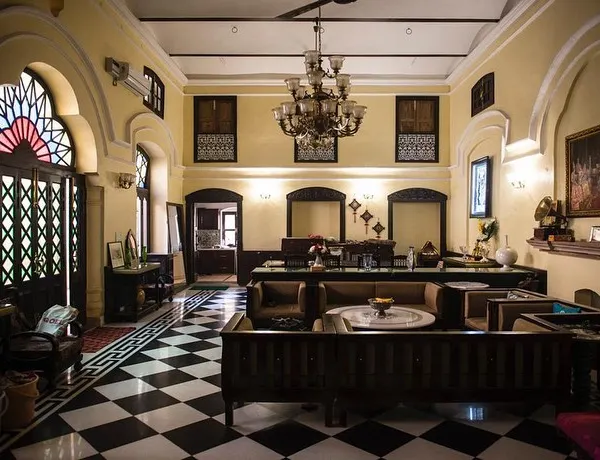
Heritage Home Restoration and Vernacular Architecture
 12
12
Heritage Restoration: Breathing Life into Architectural History
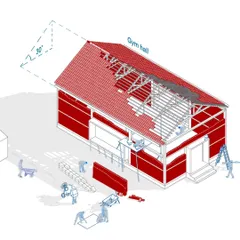
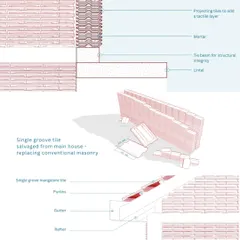
Heritage Restoration and Adaptive Reuse
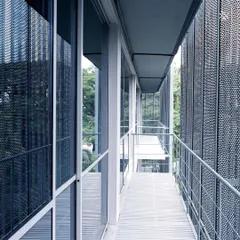
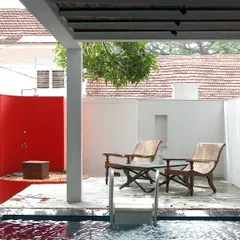
Adaptive Reuse and Heritage Conservation Architecture
 9
9
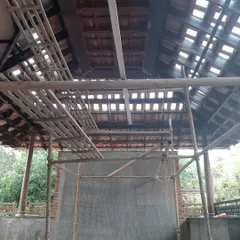
Restoring Soulful Heritage Homes in Bengaluru
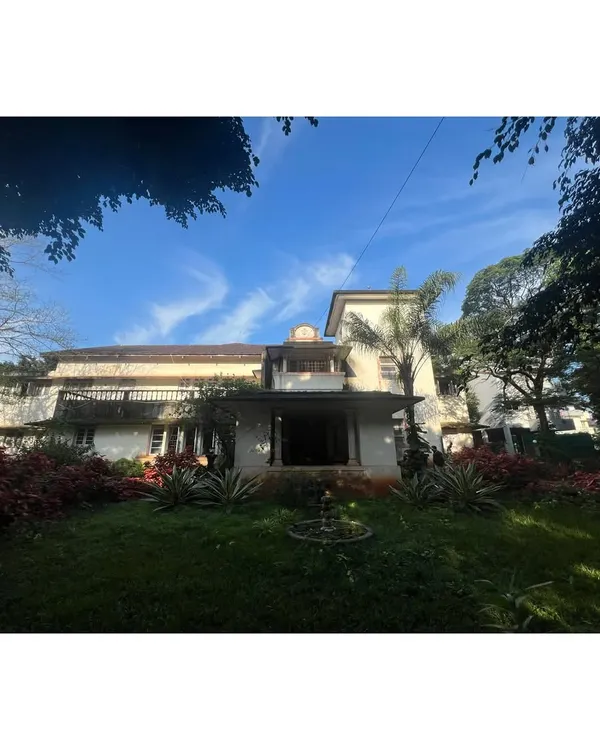 28
28
Reimagining Heritage Architecture
Search my portfolio of work
Find projects based on the architectural services or building types you are interested in.
More from Architectural Conservation & Adaptive Reuse by Soumitro Ghosh
More services by Soumitro Ghosh