Sunil Yogi
I teach yoga as a disciplined inner journey for real transformation, not just a workout. Through a strong focus on correct alignment, I guide students of all levels in online and offline classes, including for specific health conditions.
Group Yoga Classes (All Levels)
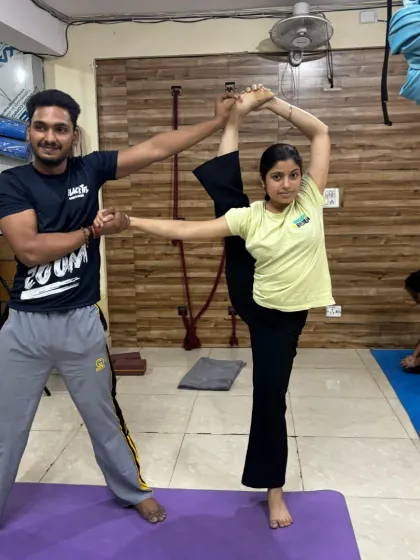
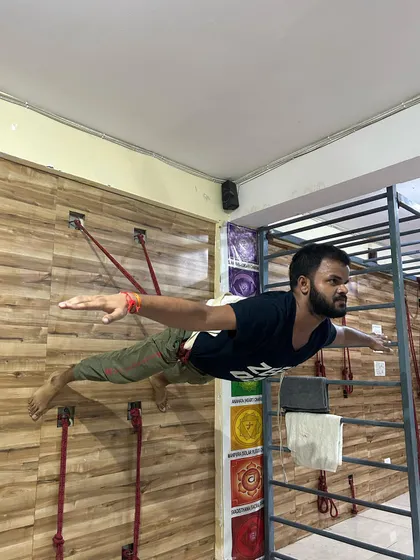
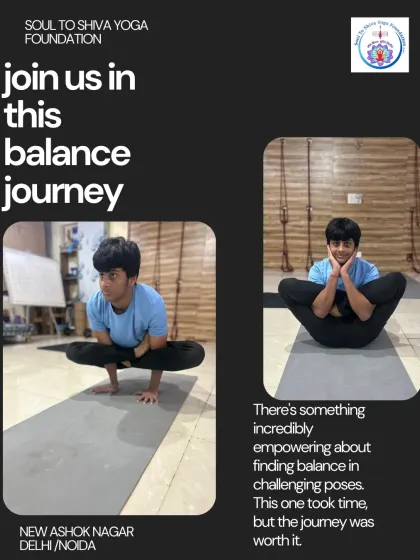
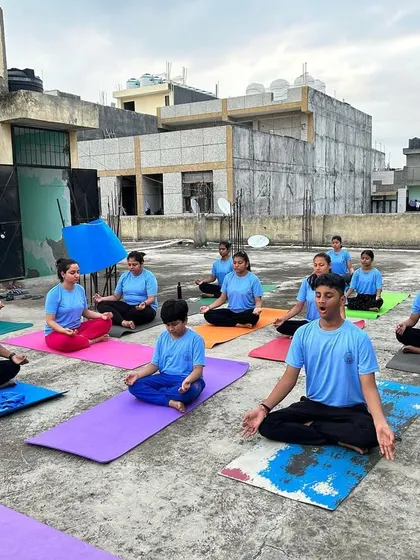
I run group yoga classes for all levels together, using props and personal adjustments so everyone—from beginners to advanced—can work on flexibility, strength, and stress relief.
Private & Corporate Yoga
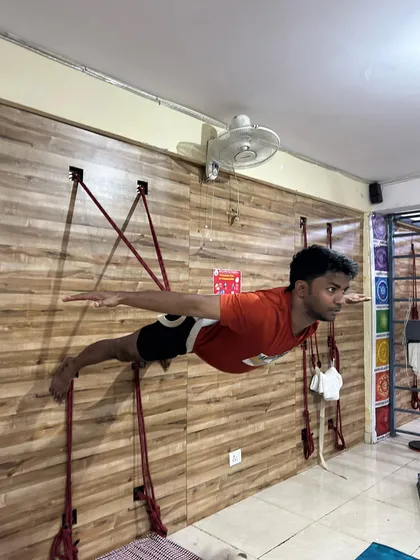
I offer private yoga at your home in Delhi and Noida or at your office, focusing on posture, alignment, and stress relief with practical techniques and personal attention.
Therapeutic Yoga
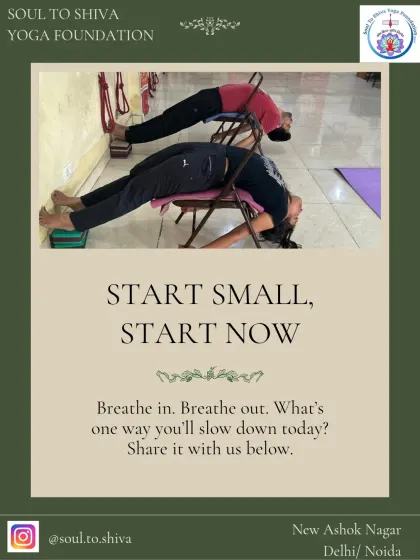
I offer therapeutic yoga sessions tailored to your health issues like stress, diabetes, and hormonal imbalance, using props and hands-on adjustments for safe, effective results beyond regular yoga routines.
Yoga for Kids & Seniors
I teach yoga to kids and seniors using props for safety, fun activities for kids, gentle adjustments for seniors, and offer classes in-studio, online, or at your home.
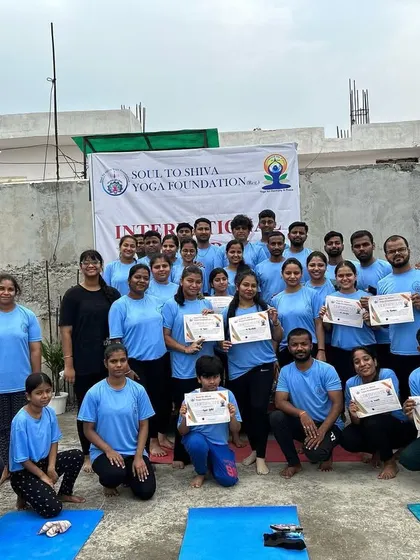
Yoga Teacher Training
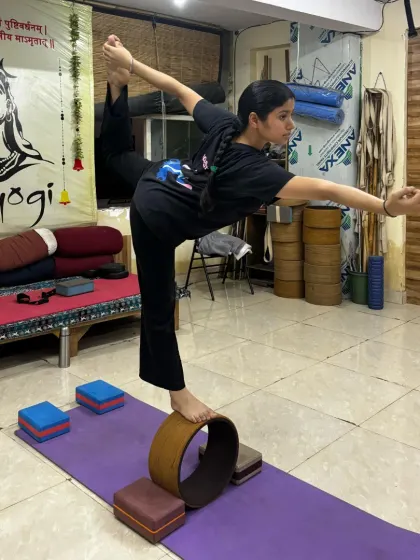
I train you to become a real yoga teacher through intensive practice, deep philosophy, and direct feedback, not just by giving a certificate.
Meet your expert
Sunil Yogi
My Story
Namaste, I’m Yogi Sunil. I started Soul to Shiva Yoga Foundation because yoga isn’t about fancy poses for Instagram. Real yoga is 'Chitta Vritti Nirodha' – quieting the mind, dissolving ego, real parivartan (change). Discipline matters – sirf motivation se kuch nahi hota (motivation alone won’t do). Body ko kasht dena padta hai (you must give your body some discomfort). Like a car needs alignment, so do we. That’s why I teach – to guide you on this journey from the self, to the self, through the self.
My Work
All Yoga Services – Online, Offline, Personal, Corporate - We teach everyone: online, offline, private, and on-site for companies. From beginner to advanced, plus yoga for kids and seniors.
Specialized Yoga – Health Focused - We run classes for yoga for PCOD/PCOS, thyroid, diabetes, weight loss, and flexibility. Each batch is tailored.
Our Philosophy – Not Just Exercise - Yoga is an inner journey. I focus on strong basics, right alignment, and dissolving ego for real parivartan.
Who Should Join? - Anyone serious about real change – beginners, advanced, kids, seniors. If you want better focus and balance, you fit in.
What to Expect - Parivartan mushkil hai, lekin zaroori hai (change is tough but needed). We use props, work on asanas, pranayama, meditation. Progress takes time.