Advanced Treatments for Acne Scars to Restore Skin Smoothness
Acne scars are more than just cosmetic marks. With the right mix of clinical resurfacing and collagen-stimulating treatments, we can significantly improve your skin's texture and help you feel like yourself again.
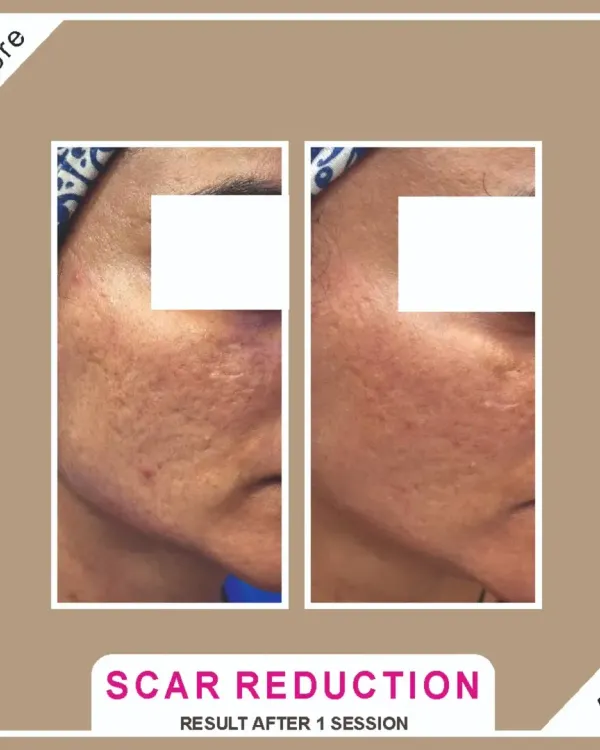
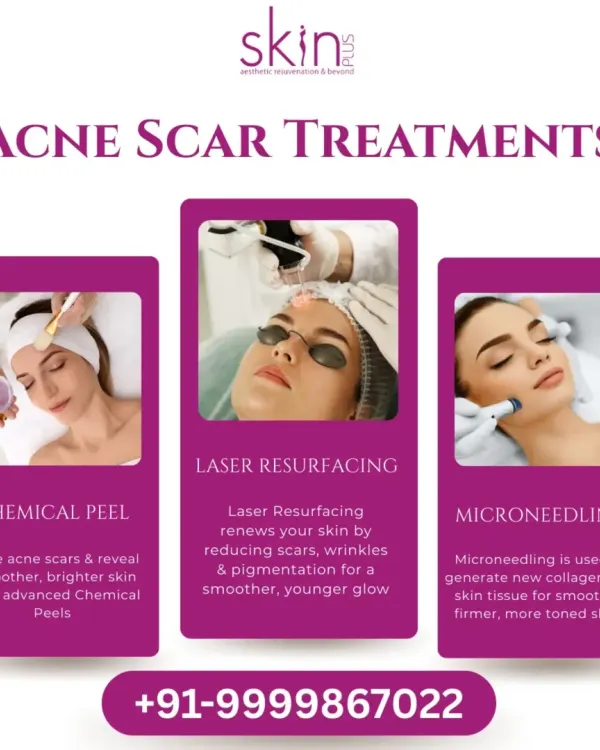
This graphic outlines my core treatment strategies for acne scars. I use chemical peels for exfoliation, cosmetic fillers to lift depressed scars, and microneedling to stimulate your skin's natural healing and collagen production for long-term improvement.
Microneedling is a powerful tool for skin rejuvenation and one of my preferred methods for treating indented acne scars. The procedure stimulates new collagen, which helps to fill in scars, reduce pore size, and improve overall skin texture and tone.
A chemical peel is more than just a surface treatment. When professionally applied, it can effectively treat active acne, lighten pigmentation from old breakouts, tighten open pores, and soften the appearance of fine lines and shallow scars.
Keloids are a specific type of raised scar that requires a specialized approach. I utilize advanced CO2 and Pulsed-Dye lasers to carefully reduce their size and improve the skin's texture, customizing the treatment for each patient's needs.
About Advanced Treatments for Acne Scars
Treating scars isn't a one-time thing. When you come in, I first assess the depth and type of your scar—whether it is an indented boxcar or a raised keloid. We don't just pick a laser and start; we plan the number of sessions based on your skin's healing speed to ensure we are improving texture without damaging the surrounding tissue.
Understanding Your Scar Type
Not all scars respond to the same treatment. My first step is a proper assessment using surgical loupes to identify exactly what we are working with. Indented scars, often caused by deep acne, require different intervention than raised keloids or simple pigmentation marks.
The Resurfacing Toolkit
Depending on your skin's needs, I utilize a few specific modalities:
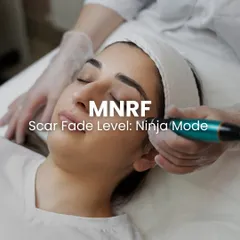
- Microneedling: This triggers your skin’s natural healing response, breaking down old scar fibers and inducing fresh collagen production. It is highly effective for smoothing overall texture.
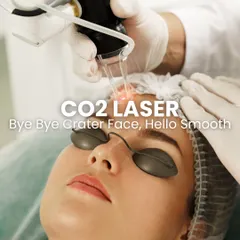
- Fractional CO2 Laser: For deeper pitting, this laser creates micro-thermal zones to vaporize damaged tissue and stimulate significant remodeling.
- Chemical Peels: Used for surface-level scarring and pigmentation, these peels exfoliate the top layers to reveal smoother skin underneath.
- Cosmetic Fillers: For deep, indented scars that need immediate volume, I use specialized fillers to lift the area.
Keloids and Hypertrophic Scars
Raised scars on the jawline or chest are distinct. I treat these using a combination of intralesional steroid injections to soften the tissue and lasers to reduce redness. This requires patience and a specific follow-up schedule.
Recovery and Commitment
Any resurfacing procedure, especially CO2 lasers, comes with a healing phase—typically 5 to 7 days where you may experience peeling or redness. I believe in being upfront about this. We will discuss your downtime during the consultation so you can plan your week accordingly. My goal is to guide you through the process, not just perform a procedure.
Similar work from other experts
Browse through Curated picks from other experts on mytribe
Advanced Acne Scar Correction Treatments
 5
5Acne Scar & Texture Correction Treatments
Advanced Acne Scar Revision Treatments
 24
24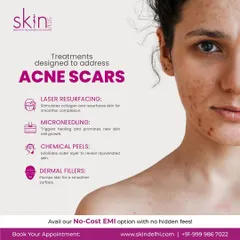
Acne, Pores & Scar Correction
Effective Scar & Stretch Mark Repair Treatments
Advanced Solutions for Acne Scars and Skin Texture
More from Acne & Scar Management by Munish Paul