The Art of Making: From Quarry to Craft
Architecture is an orchestra. We believe that before a structure is built, its character is born in the quarry, the workshop, and the dialogue between designer and mason.
On-site inspection of a mock-up for a hand-dressed stone wall. This crucial step ensures the texture, color, and craftsmanship meet our vision before full-scale application.
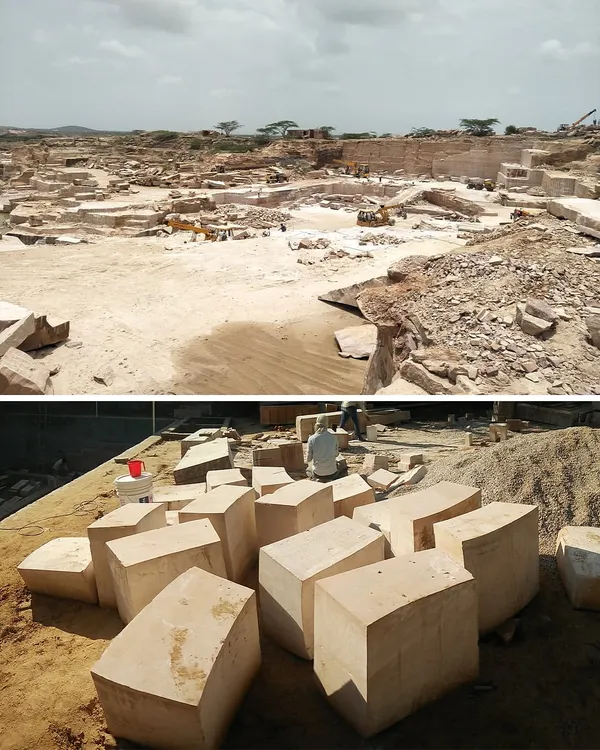
A view of the stone quarry, the very beginning of our material journey. We personally visit quarries to select the stone that has the right character for our project.
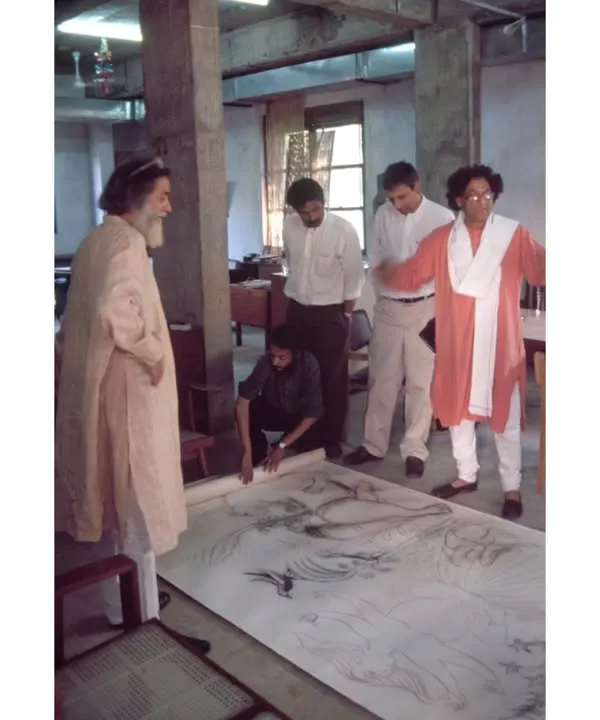
A collaborative discussion on-site with the masonry team. This hands-on approach is essential to translate the design intent into the built form with precision.
A portrait of the master mason responsible for the beautiful stonework on one of our projects. We honor the skill and dedication of the craftspeople we work with.
Local artisans in Anegundi creating traditional beadwork. We collaborate with such communities to bring authentic, handmade elements into our contemporary designs.
A weaver at a traditional loom, part of our research and collaboration in Hampi. We explore how local materials like banana fiber can be woven into our architectural narrative.
A collection of expressive black pottery figures from a local artisan studio in Hampi. These crafts inspire and are integrated into our hospitality projects to create a sense of place.
A short film capturing our team's day in Anegundi, interacting with local weavers and artisans to understand their craft and explore innovative uses for traditional materials.
A demonstration of how we create our signature textured grey wash wall finish. This handmade process involves a simple mix of cement and POP to achieve a raw, characterful surface.
The meticulous process of physical model making in our studio. Our model maker is carefully assembling a detailed section of a new project.
About The Art of Making: From Quarry to Craft
Before we begin any construction, we build full-scale mock-ups on-site. This is where we test the light, the texture of our signature grey wash finish, and the way raw stone interacts with mortar. We prefer this extra step over digital renderings because it allows us to see how the building will actually breathe and weather over time, ensuring every surface meets our tactile standards.
Architecture is rarely just about drawing lines on paper. For us, it is a messy, beautiful, and highly collaborative process that starts at the source. Whether we are selecting blocks at a stone quarry or sitting with weavers in Hampi to understand the tension of banana fiber, we are constantly looking for ways to translate local heritage into contemporary structures.
The Material Journey
We treat materials not as commodities, but as participants in the design. When we specify stone, we visit the quarry to understand its grain and tone. When we design a wall finish, we iterate on the proportions of cement and POP until we achieve the exact grey wash we are looking for. This hands-on approach means our buildings carry the fingerprints of the people who helped build them.
Collaboration as Strategy
We work intimately with masons, potters, and weavers. In our hospitality projects, we often integrate local craft as a functional solution rather than a decorative one. For instance, using traditional black pottery or hand-woven partitions helps regulate acoustics and texture in spaces that might otherwise feel clinical. It creates a rhythm within the building—a sense of place that feels both ancient and entirely new.
Why Process Matters
We believe that a building should act like an organism—it should invite conversation and make friends with its neighbours. By focusing on passive cooling, climate-responsive facades, and the intelligent use of local materials, we build spaces that require less energy and offer more comfort. It is not about building fast; it is about building in a way that respects the site, the local climate, and the human experience.
Similar work from other experts
Browse through Curated picks from other experts on mytribe
 6
6
Architectural Design Process and Collaborative Craftsmanship
 9
9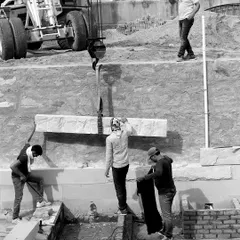
The Art of Making: Material and Craft
 12
12
Vernacular Design and Local Craftsmanship for Modern Homes
The Soul of Making: Our Architectural Process
Our Process: Collaborating with Master Artisans
 14
14
Art and Craft Integration in Modern Architecture
More from Hospitality Design by SJK Architects
More services by SJK Architects