Turn Your US Visa Rejection Into An Approval
A visa denial is not the end of your American dream. I specialize in analyzing the gaps in your previous application and building a stronger, legally sound strategy for your next attempt.
A US visa rejection is a common problem, but it's one I know how to solve. In this video, I explain the specific strategies I use for different rejection codes like 214(b) and 221(g), focusing on how to properly rebuild your case and strengthen your DS-160 application for a successful outcome.
Many applicants struggle with US visa interviews because they fail to prove "strong ties" to India. I break down what immigration officers are really looking for, from your job and finances to family connections, and how to present your case with confidence.
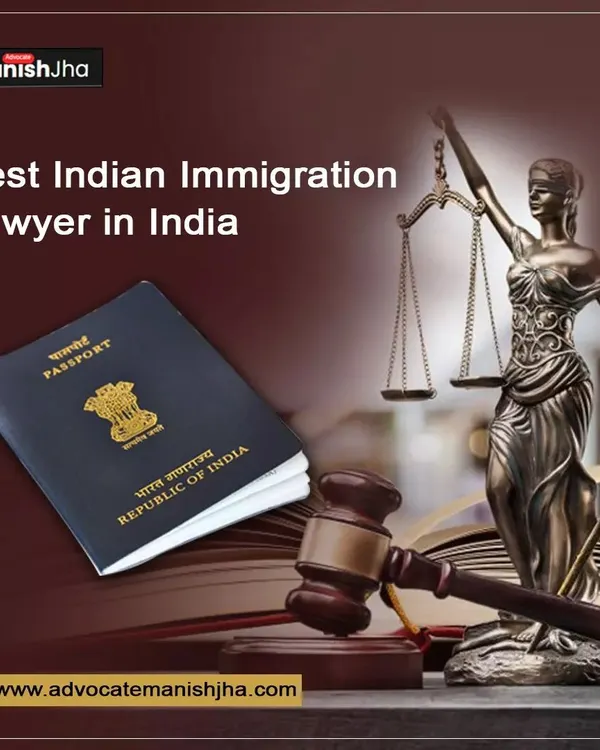
This image symbolizes my work, bridging the legal systems of India and the United States. My role is to stand with you and navigate the complexities of US immigration law.
In New York, with the Statue of Liberty in the background. This landmark represents the dreams of many of my clients, and my work is dedicated to helping them achieve their American aspirations legally.
The Statue of Liberty is a powerful symbol of hope and opportunity. It's a reminder of what's at stake for my clients and why I am so dedicated to navigating US immigration law on their behalf.
About Overcoming US Visa Rejections
A 214(b) rejection often boils down to a failure to prove strong ties to India, and this is where most applications fall short. You might think providing bulk bank statements is enough, but consular officers look for tangible, verifiable assets like property, career progression, and clear family support that make your return to India inevitable. My forensic analysis of your previous DS-160 focuses on finding these contradictions and rebuilding your narrative from the ground up.
When you face a visa denial, it is tempting to simply reapply with the same documents, but that is a mistake. Whether it is a 214(b) denial for lack of immigrant intent, a 221(g) administrative processing hold, or a 212 issue, the solution lies in identifying exactly what the officer found lacking.
My approach to overturning a rejection is strictly procedural. I begin by reviewing your entire history, including the original DS-160, to see where the narrative diverged from reality. Most applicants struggle because they cannot clearly explain their purpose of travel or their economic standing in India. Are bhaiya, you need to show the officer that you have a life here that you intend to return to, not just a travel itinerary.
We then move to evidence reconstruction. This means creating a dossier that highlights liquid assets, employment stability, and legitimate business interests. If you have been rejected for a medical or criminal background issue, I provide guidance on waiver strategies under the US Immigration and Nationality Act, ensuring full legal disclosure.
Finally, we tackle the interview. Nervousness is the enemy. My mock sessions are designed to break down your anxiety and coach you on how to answer tough questions regarding sponsorship, income, and itinerary without hesitation. We do not just fill forms, we prepare you to face the consulate with absolute confidence. If you have been hit with a 214(b) or 221(g), do not wait. Let us review your case and find the path forward.
Similar work from other experts
Browse through Curated picks from other experts on mytribe
 4
4
Expert Legal Counsel for Indian Immigration
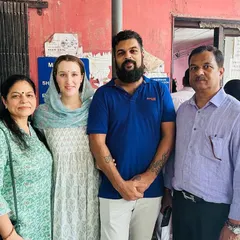
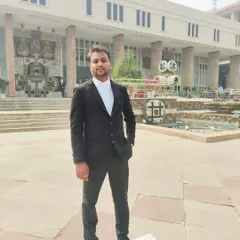
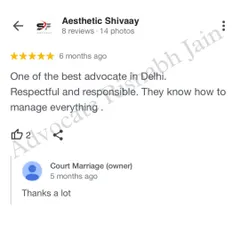
My Legal Practice and Case Successes
Visa Success and Career Advancement Guidance
Legal Help for NRIs: Navigating Indian Law from Abroad
 8
8
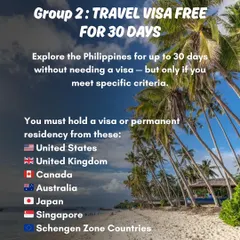

Travel Smart, Not Hard: Expert Tips for International Trips
 12
12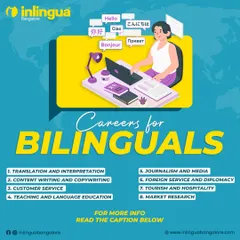

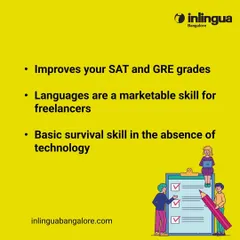
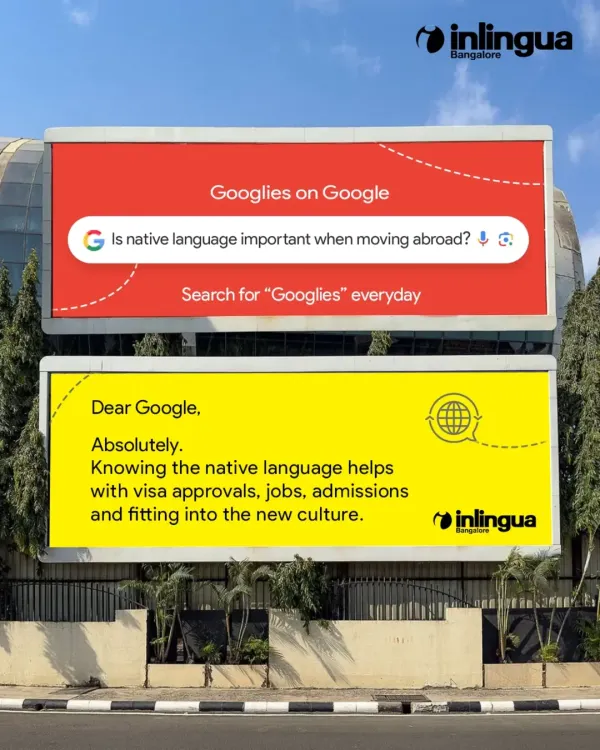
Unlock Global Opportunities Through Language Proficiency
More from Immigration & Citizenship Services by Sanjay Kalra
More services by Sanjay Kalra