Hybrid Timber & Seismic Design
Merging indigenous Northeast Indian building wisdom with modern engineering to create structures that are safe, sustainable, and carbon-negative.
The 'Hyber' installation at Conscious Collective 2023. This 1:5 scale model demonstrates the feasibility of a six-story building using my hybrid timber system, which is designed to be lightweight and seismic-responsive.
This animation shows the construction sequence of a hybrid timber high-rise. It illustrates how prefabricated timber frames are erected around a central concrete core, a method that is faster and has a lower carbon footprint than traditional construction.
An exploded isometric drawing of the hybrid timber system. This technical diagram shows every component, from the foundation connectors to the timber beams and bamboo facade panels, highlighting the glue-free assembly.
A technical section drawing of a traditional 'Assam type' house. This documentation shows the material palette, including Sal timber, Khasi pine, and Ikra-plaster panels, which forms the basis of my research.
This illustration visualizes the seismic-responsive nature of the traditional Northeast Indian construction. The lightweight, flexible structure is designed to move with earth tremors, a principle I have adapted for my modern timber systems.
A historical photo showing the dismantling of a 75-year-old timber-bamboo house in the region. Studying these old structures helps me understand their longevity and how to adapt their construction for contemporary needs.
A 3D render of a two-bedroom apartment within a tall timber tower. This visualization shows what living in a modern, sustainable timber building could look like, with exposed wooden frames adding warmth and character.
A detailed 3D cutaway of a timber apartment layout. This view shows the integration of the kitchen, living, and bedroom spaces within the timber structural grid.
This 3D model shows the common areas of a timber apartment building, including staircases and elevators. The design maintains the exposed timber structure throughout the building, creating a cohesive architectural language.
A close-up render of the building's facade. This image details the 'Assam type' inspired cross-bracing on the windows and the projecting floor slabs that provide shading.
About Innovation: Hybrid Timber & Seismic Design
What makes this hybrid system unique is the move away from toxic adhesives. By using proprietary glue-free timber joinery, we achieve a connection that is not only environmentally cleaner but also structurally flexible enough to handle the tremors common in our region.
The core of my research involves adapting traditional construction wisdom from Northeast India into a modern, scalable system. I focus on the 'Assam type' house, a structure known for its resilience against earthquakes. By studying how these buildings use lightweight materials to move with tremors rather than resisting them, I have developed a hybrid timber framework that offers similar seismic safety.
My approach replaces standard concrete-heavy construction with a hybrid of timber frames and locally sourced stone. The critical innovation here is the glue-free joinery system. Conventional construction relies heavily on adhesives that are difficult to recycle and often release toxins. My system relies on precision-cut joints that allow for thermal expansion and seismic shifting, significantly reducing the building's carbon footprint by over 40 percent compared to standard RCC frames.
This is not just about wood; it is about engineering a safer future. Whether I am using upcycled timber from dismantled structures or sourcing local pine, the goal remains the same: create a building that feels alive, breathes, and ensures the safety of those inside during seismic events.
Similar work from other experts
Browse through Curated picks from other experts on mytribe
 22
22
Architecture in Dialogue with Nature: Eco-Sensitive Design
The Craft of Sustainable Building
 27
27
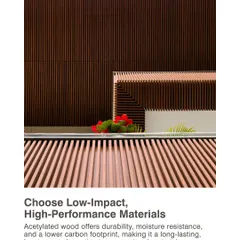
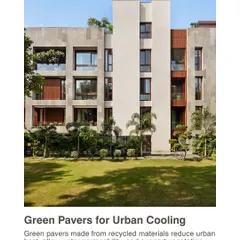
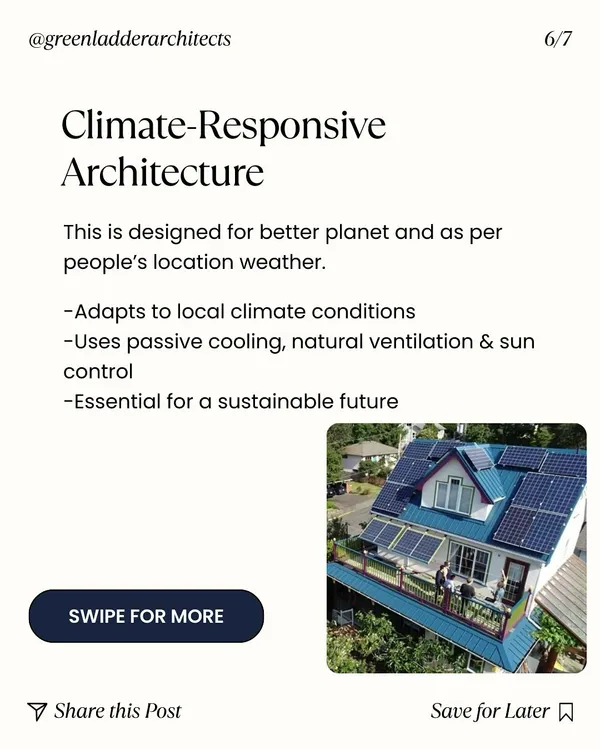
Climate-Responsive & Sustainable Architecture
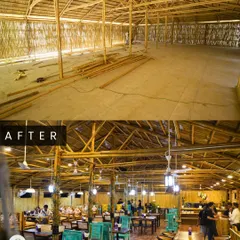
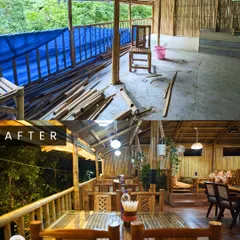
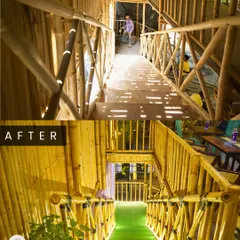
Sustainable Bamboo Architecture & Custom Structures
 7
7
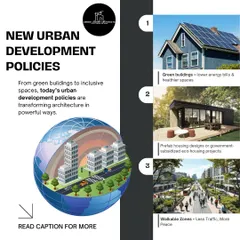
Sustainable Architectural Design for Modern Homes
 18
18
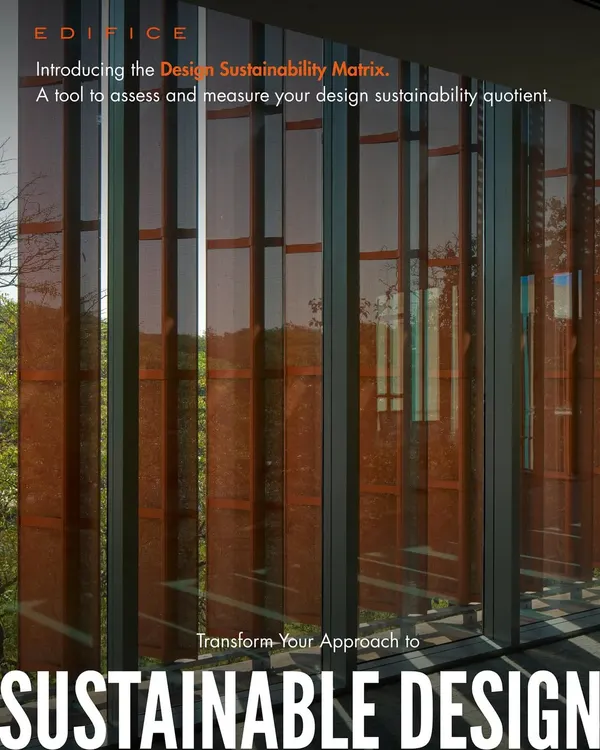
Pioneering Sustainable Design in Architecture
More from Sustainable Architecture Design by SAFE Design Studio
More services by SAFE Design Studio