Navigating IBC and NCLT Insolvency Proceedings
An insolvency notice is not a dead end, but it is a critical time-sensitive event. We help business owners and guarantors decode the IBC, challenge wrongful claims, and protect personal and corporate assets from aggressive recovery actions.
A recent NCLT ruling invalidated a high-profile share transfer, setting a new precedent for corporate disputes. If you are facing disputed transfers, mismanagement, or recovery delays under IBC, we provide expert representation before the NCLT and DRT to protect your interests.
This is part of our IBC Warning Series for Borrowers. Many are unaware of how banks can use your PAN to freeze all your assets, not just those directly linked to a loan. Understanding these mechanisms is the first step in protecting yourself.
The "Guarantor's Death Trap" is real. Signing a guarantee can lead to the seizure of your personal assets, from your car to your rental income. We outline the emergency steps to take if you have signed any bank papers that put you at risk.
Did you know that even jointly-owned ancestral homes and future income from rental properties can be attached to recover a business debt if you are a guarantor? We break down three shocking ways your family property is at risk under the IBC.
Banks are increasingly using the Insolvency and Bankruptcy Code to seize family properties. This visual from our IBC Warning Series highlights the severe risks associated with being a guarantor for a business loan.
As a director, your personal assets are not automatically safe. This infographic from our IBC Warning Series explains how the corporate shield can be pierced, putting your personal wealth at risk for company debts.
Vijay Mallya's claim of being declared a willful defaulter without a proper hearing highlights a critical issue within the IBC. We explain how personal guarantors are often pulled into insolvency proceedings and how we fight to ensure your right to be heard is protected.
The misuse of the law is a greater enemy than the law itself. Drawing lessons from the Vijay Mallya case, we explain how the IBC can be used to pressure borrowers and why having a clear legal strategy is essential to protect your rights.
One of the key mistakes that led to Vijay Mallya's downfall was a lack of financial transparency. This is a critical lesson for all borrowers: always maintain clear financials and disclose liabilities to avoid triggering lender action.
Ignoring legal boundaries and due process only worsens your case under the IBC. As seen in the Mallya case, cooperating with legal authorities is crucial. We guide our clients to navigate these processes correctly.
About Navigating Insolvency & Bankruptcy (IBC)
The most common and dangerous mistake borrowers make is ignoring an IBC notice because they assume it is just another demand letter. If you do not respond to a Section 7, 8, or 9 notice within 14 days, the debt may be legally treated as undisputed, allowing creditors to freeze your accounts and initiate insolvency proceedings. We step in immediately to review the validity of these notices, file formal objections, and ensure your side of the story is on the court record before the Tribunal acts.
Understanding Your Risk Under the IBC
The Insolvency and Bankruptcy Code (IBC) was designed to resolve debt, but for a business owner, it can often feel like a weapon used to force a settlement. When a creditor serves an IBC notice, they are effectively telling the NCLT that your company is insolvent. If you fail to defend this within the strict statutory timelines, the NCLT can admit the petition, suspend your board of directors, and appoint an Insolvency Professional to take control of your company.
Our Defense Strategy
Our goal is to prevent the admission of the insolvency petition. We focus on three critical areas:
- Debt Dispute: Proving that the debt is either not due or is actively disputed by the company, which is a fundamental ground for rejecting an IBC petition.
- Procedural Compliance: Challenging the creditor's petition on technical grounds—often, banks and financial institutions make procedural errors in the demand notice or the filing of evidence.
- Guarantor Protection: If you are a personal guarantor, we structure your defense to separate your personal wealth from corporate liabilities, challenging the attachment of family homes, rental income, and joint accounts.
Why Acting Fast Matters
Once an insolvency petition is admitted, your ability to control the company’s day-to-day operations is severely restricted. We have represented clients across Bengaluru and beyond who were facing extreme pressure from lenders. We do not offer empty promises; we offer a clear, aggressive legal roadmap—from drafting your Section 8 reply to arguing your case before the NCLT bench. If you have received a notice, do not wait for the 14-day clock to run out.
Similar work from other experts
Browse through Curated picks from other experts on mytribe
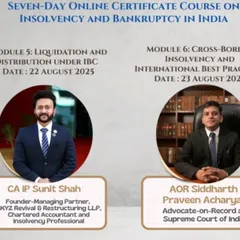

Insolvency and Bankruptcy Law Litigation



Insolvency and Corporate Restructuring Legal Services
 4
4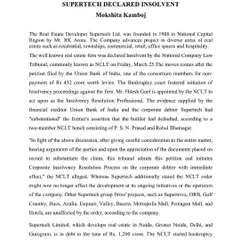
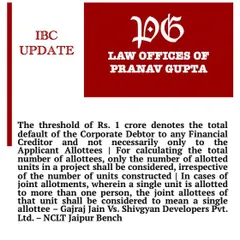

Navigating Insolvency and NCLT Proceedings for Homebuyers
 4
4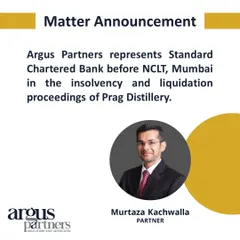


Landmark Insolvency Litigation & Client Victories
 31
31
Navigating Civil and Commercial Disputes
 4
4

What to Do When You Receive a Legal Notice
More from Corporate & Insolvency Law by Ramniwas Surajmal
More services by Ramniwas Surajmal