Student Robotics Projects and Coding Showcase
These projects demonstrate how students at my Bellandur center turn code into working hardware, from Scratch games to sensor-based inventions.
Watch as Pratik, one of my brilliant second-graders, explains the automatic sensor water tap he built and coded all by himself. This is what hands-on learning looks like, where young students turn complex ideas into working inventions.
Get ready for the Roboticschools Summer Jam! This is a glimpse into the energy, fun, and teamwork that fills my camps. We are building, coding, and creating the future, one project at a time.
Meet 5-year-old Agniv! It is amazing to see my youngest students get so excited about what they can create. Here, he proudly shows off the mobile-controlled car and light-following robot he learned to build.
I am so proud of Mayank for building this app-controlled robotic wheelchair. This project shows how I encourage kids to use technology to solve real-world problems and think about how their inventions can help others.
The robot soccer competition is always a highlight! This picture captures the excitement as students get their custom-built robots ready for a friendly match, combining design, strategy, and teamwork.
From a banana that plays music to a robot that avoids obstacles, this montage shows the wide variety of fun and interactive projects your child can build. My goal is to spark curiosity through creative and hands-on challenges.
Here you can see Ved and Veer focused on soldering their project components. I make sure kids learn real engineering skills safely, using proper tools and with close guidance, so they can understand how electronics truly work.
I am proud to share that my program is STEM.org Accredited. This certification recognizes my commitment to providing a high-quality, effective STEM curriculum that prepares your child with the skills they need for the future.
About Featured
Every project displayed here started with a raw kit and a blank screen. My approach skips the standard textbook path in favor of hands-on sessions where kids wire their own sensors and write the logic that makes their inventions work. Whether it is a seven-year-old coding an automatic water tap or a teenager automating home lights with a Raspberry Pi, the focus remains on building functional tech rather than just memorizing theory.
I believe that building robots is far more effective than just playing with pre-made toys. At my Bellandur center, I guide students through the entire engineering process. For younger learners aged 5 to 8, we focus on block-based coding like Scratch and Tynker to teach foundational logic, loops, and variables. As they progress, I introduce hardware like Micro:bit and Arduino, allowing them to build physical machines that interact with the real world. My older students, aged 13 and up, dive into text-based languages such as Python and C++ to tackle complex tasks like computer vision and IoT home automation. I keep my batches small, with only 3 to 6 students per session, to ensure everyone receives personal attention. This setup allows me to support them whether they are prepping for a hackathon or soldering their first circuit. By using a STEM.org accredited curriculum, I ensure that every hour spent in class contributes to genuine skill development. Parents often tell me they are surprised by the complexity of the projects their children bring home, but to me, it is just what happens when you give curious minds the right tools and a little bit of encouragement.
Similar work from other experts
Browse through Curated picks from other experts on mytribe
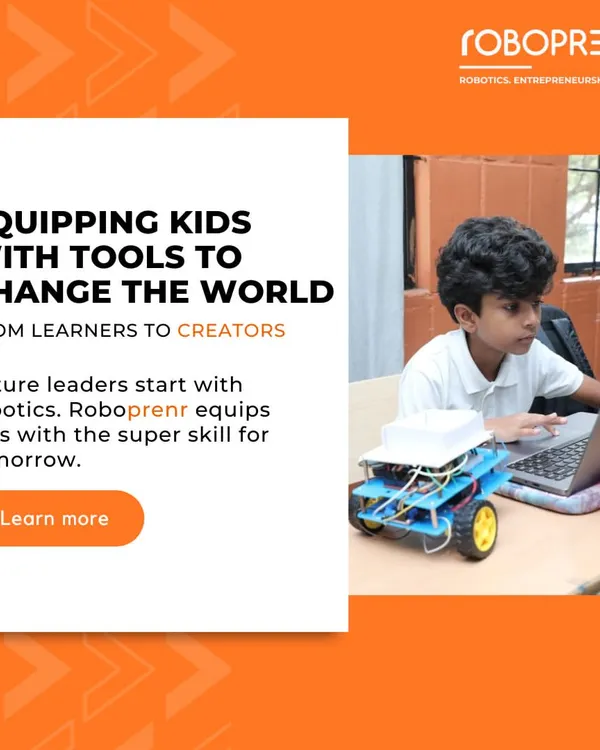
Robotics Projects Built by Our Young Innovators
 8
8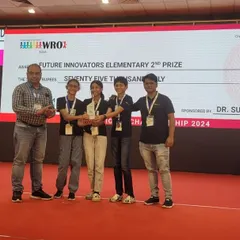
Robotics and Coding Success Stories
Hands-on Robotics and Coding Classes for Kids
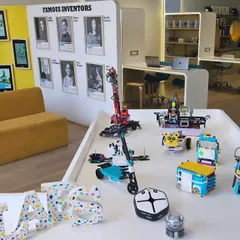
Robotics, Coding, and STEM Innovation for Kids
 6
6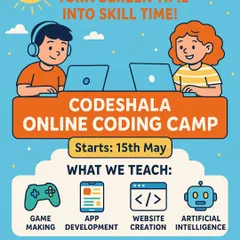
Coding Classes for Kids: Featured Success Stories
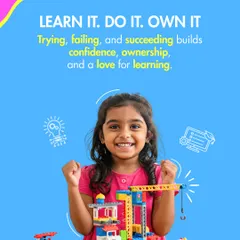
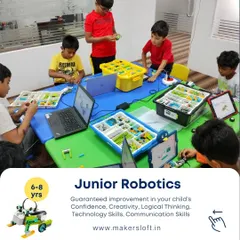
Hands-on STEM and Robotics Classes for Kids
More from Tech Summer Camps by Roboticschools
More services by Roboticschools