Behind the Art: Bharatanatyam Process & Philosophy
Dance is my way of life, and this is where I share the thoughts, routines, and collaborations that define my work at Chithkala School of Dance.
A fun and candid conversation for "Rasam Shots with Kiki." I believe it is important to respect my body's rhythm. I practice when my body allows, whether it is for ten minutes or two hours.
In this quick bite interview with Smaran Arts, I share my thoughts on choreography, the inspiration I draw from poets like Kalidasa, and my work on creating compositions centered on the male perspective in dance.
A close-up of the Nattuvangam during a live performance. As a guru, I often lead the orchestra with the cymbals, conducting the rhythm and tempo of the dance. It is a role that connects me directly to both the musicians and the dancer.
The live orchestra is the backbone of any traditional Bharatanatyam performance. I am deeply grateful to the talented musicians who collaborate with me and my students, enriching every performance with their artistry.
Another view of the wonderful musicians who accompanied my student's Rangaabhivandane. The rapport between the vocalist, mridangist, flautist, and the dancer is what creates a complete artistic experience.
About Behind The Art: Process & Philosophy
I often describe my work as a 'family pack'—performing, teaching, and choreographing are not separate activities for me; they are deeply intertwined. Whether I am leading the Nattuvangam at a student's Rangaabhivandane or choreographing a new piece inspired by Kalidasa, I look for the same core discipline and emotional depth in every step. This keeps my practice honest, grounding my teaching in the same rigorous process I apply to my own professional performances.
At Chithkala School of Dance, we do not treat Bharatanatyam as a collection of steps, but as a discipline that requires continuous exploration. My teaching is deeply rooted in the Kalakshetra style, utilizing traditional Red Oxide flooring in our Basavanagudi studio, which provides the necessary shock absorption for intense practice.
When you step into my classes, you are not just learning technique; you are learning how to listen. We integrate Carnatic music into our sessions because I believe the rhythm should dictate the movement, not the other way around. My students often ask about the 'myth' of male dancers—I tell them that the myth is something we create ourselves. My work is dedicated to expanding the vocabulary of Bharatanatyam to include masculine emotions and narratives, shifting focus beyond the traditional heroine-centric pieces to explore the hero's journey.
Whether you are an intermediate dancer looking to master a complex Thillana in a workshop or a student preparing for your Arangetram, the process remains consistent. We break down the Margam, focus on Abhinaya to ensure the story is felt, and train with live musical accompaniment wherever possible to build that vital rapport between dancer and musician. This is not just a dance class; it is an effort to share the art with the same honesty I bring to the stage.
Similar work from other experts
Browse through Curated picks from other experts on mytribe
Behind the Scenes of My Bharatanatyam Practice
A Behind-the-Scenes Look at My Bharatanatyam Journey
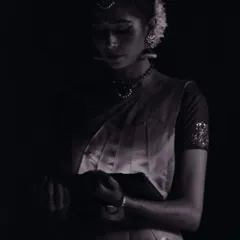
Behind the Curtain: Bharatanatyam Practice and Creative Process
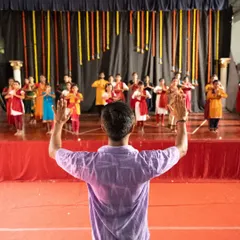
Bharatanatyam Daily Practice: Rehearsals and Training Sessions
My Bharatanatyam Teaching Journey: Tradition and Personalized Learning
My Personal Dance Journey: A Lifelong Practice
More from Bharatanatyam Training & Workshops by Praveen Kumar
More services by Praveen Kumar