Master Astrophotography and Capture the Milky Way
Join my hands-on workshops to learn the technical craft of shooting the cosmos. From the dark skies of Honnavar to remote spots near Bangalore, I will help you move beyond auto-mode.
Two participants stand in awe under the Milky Way in Singalila National Park. This frame, a blend of two images, shows the sheer scale of our galaxy compared to us.
A self-portrait with my bike after a successful Coastal Milky Way workshop. This was a pre-dawn capture, showcasing the kind of unique shots we aim for. My next workshop is just around the corner.
The Milky Way over Nepal, seen from Singalila National Park. I've recently fine-tuned my post-processing workflow in Lightroom and Photoshop to bring out the best details and colors from a RAW file, a technique I share in my workshops.
A close-up of the Milky Way's core, captured with a Canon R6 and a 50mm lens in Suru Valley, Ladakh. The countless stars and gas clouds evoke a sense of wonder about the vastness of the universe.
A lucky shot from February 2020 near Bangalore. We stumbled upon this lake before sunrise, and using Photopills, I realized the galaxy was perfectly positioned above the water lilies.
Finding a good dark sky location near home is a challenge, but moments like this make the search worthwhile. This image of the Milky Way over a lake with water lilies went viral and inspired many local photographers.
My first Milky Way image of 2023, taken over a bridge near Kundapur. This bridge leads to a village that is the hometown of a famous movie star.
Answering some common questions about my Milky Way workshops. We find secluded locations to minimize light pollution, and while the weather is unpredictable, the stunning locations offer great landscape opportunities even during the day.
More questions answered. While you can shoot the Milky Way with a smartphone, my workshops require a DSLR or mirrorless camera to get the best results. We focus on photography during the short window when the galaxy is visible.
A FAQ still from a workshop promotion. The workshops are intensive photography sessions, not general astronomy tours. We make the most of the 3 am to 5 am window to capture stunning images.
About Chasing the Milky Way: Astrophotography Workshops
This is a technical workshop, not a casual tour. We typically shoot in a short window between 3 am and 5 am, so you need a DSLR or mirrorless camera, a sturdy tripod, and a wide-angle lens. We operate in small groups to ensure I can provide hands-on guidance for your manual exposure settings, focus stacking, and field composition.
Beyond the Click: The Workshop Workflow
Photography is not just about pressing a shutter button. In my workshops, I teach you the entire lifecycle of an image. We start with field preparation—how to use tools like PhotoPills to predict the galaxy's position—and then move to the actual shoot. You will learn to manage your 'Exposure Triangle' (ISO, Aperture, and Shutter Speed) to capture the Milky Way core with minimal noise.
Post-Processing Mastery
A RAW file is only the starting point. After the field sessions, we dive into the 'darkroom'. I conduct follow-along classes using Lightroom and Photoshop. I share the exact workflow I use to dodge, burn, and color-grade my files. You will learn how to handle noise reduction without losing the details in the nebulae and how to keep your Milky Way core bright and defined.
What to Expect
- Gear Requirements: You must bring your own DSLR or mirrorless camera, a laptop for editing, and a tripod. I do not provide cameras, but I can guide you on rentals if you are missing specific lenses.
- Location Reality: We hunt for dark skies. Whether it is a beach in Karnataka or the high-altitude deserts of Ladakh, the locations are secluded. Expect easy walking, not hardcore trekking, but be prepared for unpredictable night weather.
- The Goal: You will not just leave with a memory card full of files. You will leave with the ability to see a scene, understand the technical requirements to capture it, and edit it to bring out the light you saw in the moment.
Similar work from other experts
Browse through Curated picks from other experts on mytribe
 13
13
Astrophotography and Night Sky Photography in Mumbai
 6
6
Wildlife Photography Workshops & Pro Tips
 4
4
Photography Workshops for Beginners: Get Off Auto Mode
 4
4
My Photography Approach & Favorite Work
 6
6
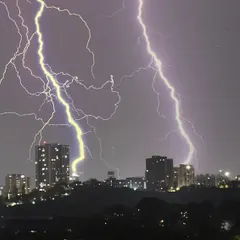
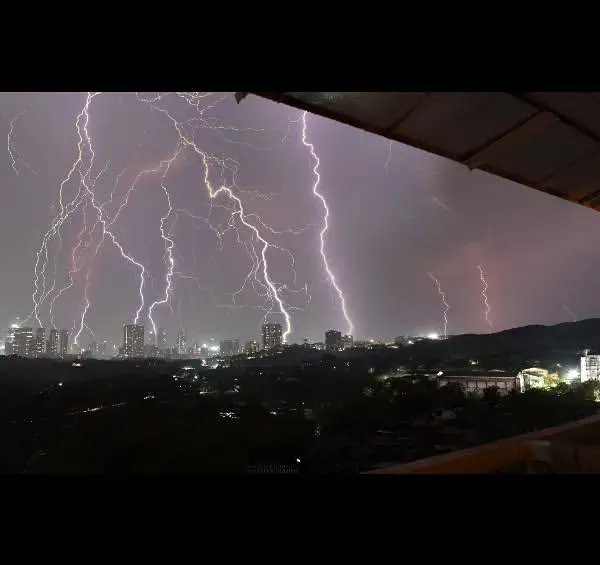
Chasing Storms and Stars Nature Photography
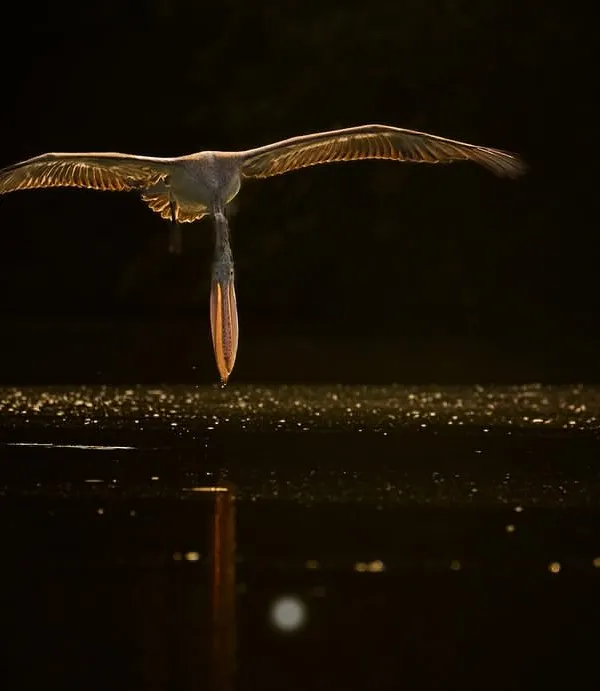 5
5
Mastering the Art of Light and Composition
More from Photography Tours & Workshops by Pratap J
More services by Pratap J