Bharatanatyam Solo Recitals and Stage Works
Beyond my core productions, I frequently explore new textures in Bharatanatyam. Here are moments from various stages, solo recitals, and classical showcases that push the boundaries of rhythm and expression.
A beautiful moment from a Bharatanatyam Margam based on the poems of Da. Ra. Bendre. This solo performance showcases the grace and expressive power of the art form.
A graceful pose from a solo Bharatanatyam recital. The dancer's serene expression and elegant posture capture the devotional aspect of the dance.
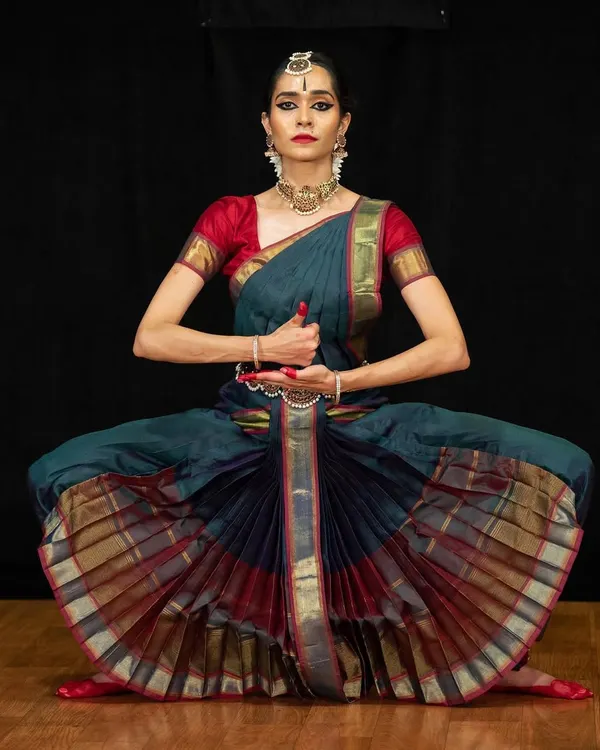
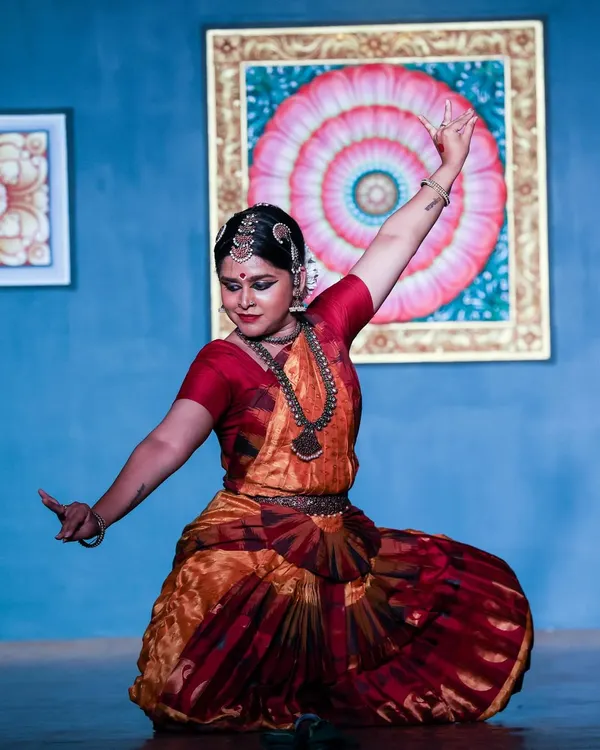
A classic Bharatanatyam stance, showcasing the intricate costume and precise hand gestures. Each element is rich with meaning and tradition.
A powerful moment from a solo performance, with the dancer's arm raised in a gesture of command or declaration. The red-painted hands add to the dramatic effect.
A dynamic pose from a solo recital, capturing the dancer in a moment of fluid motion. The arms are raised in a gesture of offering or celebration.
A seated pose from a Bharatanatyam performance, demonstrating the flexibility and control required. The dancer's expression is one of serene confidence.
A graceful and expressive pose from a solo recital. The dancer's hands and face work together to convey a story to the audience.
A seated pose from a solo performance, with the dancer's hands forming a mudra above her head. This posture signifies meditation and inner focus.
A wide, graceful pose from a solo recital, showcasing the dancer's command of the stage. The arms are extended, creating a beautiful line.
An intimate, close-up shot of a dancer's expressive face and hands. This highlights the 'abhinaya', or emotional storytelling, aspect of Bharatanatyam.
About Additional Work & Performances
Every stage demands a different energy. Whether it is the traditional rigor of a Margam recital or the intimate focus of experimental storytelling, my approach remains the same: total commitment to the movement. If you are planning an event, think about the atmosphere you want to set. We should discuss whether you are looking for the rhythmic discipline of a solo piece or something that blends classical roots with modern theatrical elements.
Beyond the Mainstage
My work extends far beyond the grand group productions. A significant part of my practice happens in the solo space—the Margam—where it is just me, the musicians, and the audience. This is where the core of Bharatanatyam lives. It is raw, demanding, and requires a level of connection that you can only build through thousands of hours of practice.
The Anatomy of a Performance
When I perform a solo recital, I do not just step on stage. It is a carefully curated experience involving:
- The Live Ensemble: I never use recorded audio for these works. You will have a 4-5 piece live orchestra, including a vocalist, Mridangam, violin or flute, and Nattuvangam. The interaction between the dancer and the musicians is what makes the performance breathe.
- The Repertoire: Depending on the event, we can curate a traditional Margam (the standard flow from Alarippu to Tillana) or focus on thematic solo works like Mitrā.
- Technical Precision: From lighting design to the specific sound check two hours before the event, my team and I handle the technical setup to ensure the visual and auditory experience is seamless.
Why Choose a Solo or Small Ensemble?
People often ask if a large group production is always better. It is not. Sometimes, the most powerful stories are told with just one or two dancers. A solo performance allows for deeper Abhinaya (expressive storytelling) and allows the audience to see the intricate footwork and hand gestures that might get lost in a massive ensemble formation.
Whether you are booking for a private festival, a cultural center, or a corporate engagement, I am happy to discuss what fits your space. Do keep in mind that I travel across India for shows, but logistics need to be planned well in advance.
Similar work from other experts
Browse through Curated picks from other experts on mytribe
 11
11
Bringing Bharatanatyam Stories to Life on Stage
 11
11
Solo Bharatanatyam Recitals
 45
45Solo Bharatanatyam Recitals and Traditional Margam
 4
4
Bharatanatyam Dance and Artistic Traditions
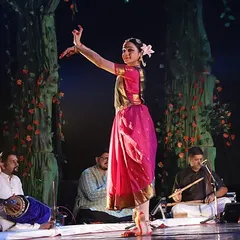
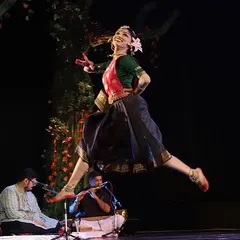
Bharatanatyam Performances and Solo Choreography
 7
7
Bharatanatyam Performances and Traditional Recitals
More from Dance Performances & Productions by Parshwanath Upadhye
More services by Parshwanath Upadhye