Laser Hair Removal: The Science & Process Explained
Laser hair removal is a medical procedure, not a beauty shortcut. I am here to break down how USFDA approved lasers work on your skin and what you should expect from safe, clinical treatment at my Mumbai clinic.
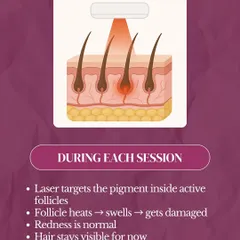
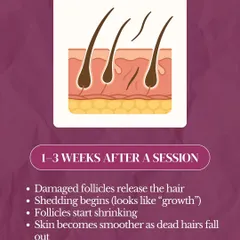
This short animation provides a clear visual of the laser hair removal process. You can see how the laser energy is absorbed by the hair pigment and travels to the follicle, damaging it to prevent future growth. It’s a precise, science-backed technology for smoother skin.
I've compiled the most frequently asked questions about laser hair removal. This guide gives you quick, honest answers about the permanency of results, the level of discomfort to expect, and how we determine if you are the right candidate based on skin and hair type.
To ensure your treatment is safe and effective, there are a few key things to remember before you book. This guide outlines important pre-treatment steps, such as avoiding sun exposure and refraining from waxing or tweezing, to prepare your skin for the best possible outcome.
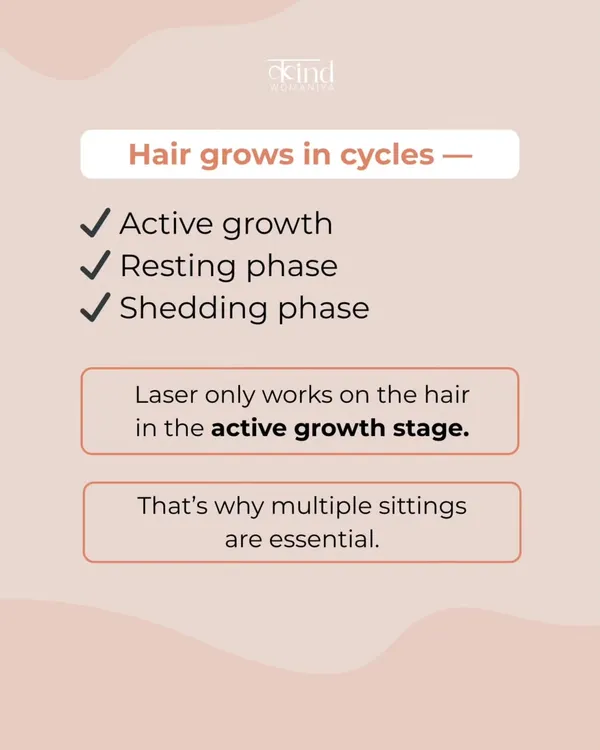
Consistency is the most important factor for achieving significant hair reduction. This graphic explains why multiple sessions are necessary for the best results and reassures you that at my clinic, we safely treat all skin tones with certified professionals. You are in safe hands here.
About The Science & Process Explained
I see many patients arriving at my Opera House clinic with burns or pigmentation caused by generic salon machines. Real laser hair removal uses precise, USFDA approved technology that targets hair pigment specifically, not your skin surface. My team and I monitor your skin tone and hair density before every single pulse to keep the session safe and effective.
Why Medical Supervision Matters
Salons often use high-intensity settings that can cause paradoxical hair growth or dark patches. In my clinic, we use a triple wavelength diode laser. We map your skin first, adjust the energy levels based on your melanin, and cool the skin constantly at minus four degrees. This prevents damage and makes the procedure much more comfortable.
The Science of the Session
It is simple biology. The light energy converts to heat, travels down the hair shaft, and disables the follicle. It takes multiple sessions because hair grows in cycles. If we zap a hair while it is in the resting phase, it will just grow back. We time your sessions to catch the active growth phase, ensuring long-term reduction.
Things to Remember
- Skip the wax: Avoid waxing, threading, and plucking three weeks before you visit. We need that hair root intact for the laser to grab onto.
- Sun safety: Sun exposure makes skin sensitive, so use SPF 50 if you have been outdoors in Mumbai heat.
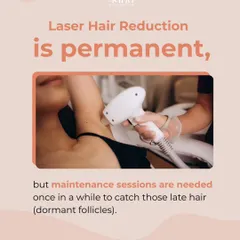
- Results: Think of this as permanent reduction, not 100 percent removal. You might need a maintenance session once a year, but the days of daily shaving are over.
Frequently Asked Questions
- Is it painful? Think of a rubber band snap, not a burn. The cooling tip makes it manageable.
- Will it work on me? If your hair has pigment, yes. We assess your hair and skin type during the consultation to set realistic expectations.
- How many sessions? Most clients need 6 to 8 sessions for significant results.
Similar work from other experts
Browse through Curated picks from other experts on mytribe
 21
21

How Laser Hair Reduction Actually Works

Laser Hair Removal: The Science of Smooth Skin
Laser Hair Reduction: Safe and Science-Backed Results

Laser Hair Reduction Under Clinical Supervision
 5
5
Permanent Laser Hair Removal
Safe and Effective Laser Hair Removal
More from Laser Hair Removal (Cosmetic & Medical) by Deepam Shah