Expert Management of Chronic Skin Conditions
Skin issues often stem from deeper hormonal or environmental triggers, not just surface irritation. From managing chronic conditions like eczema and vitiligo to addressing post-childbirth skin changes, I provide evidence-based care to help you identify the root cause.
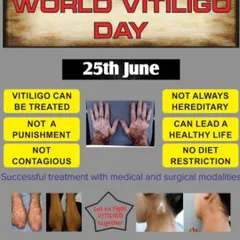
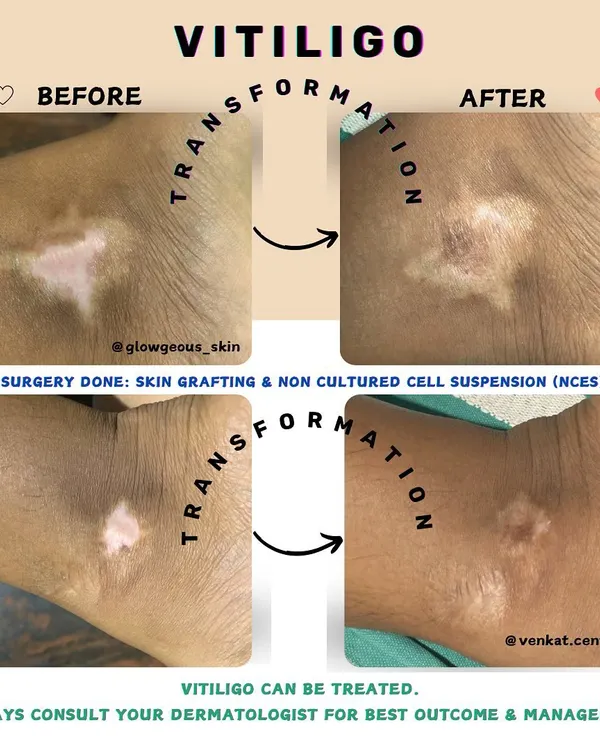
On World Vitiligo Day, it's important to remember that vitiligo is not contagious or harmful. It is a treatable condition, and with early diagnosis, we can control it and even bring back color to the white patches. Let's bust the myths and end the stigma.
Eczema is a common condition causing itchy, dry, and inflamed skin. It can be managed with the right approach, which includes regular moisturizing, using prescribed medications, and consistent sun protection.
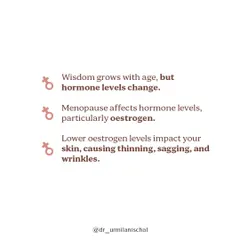
Why do facial tissues change after childbirth? It's a combination of shifting fat distribution and a rapid drop in hormones like estrogen and progesterone, which affects skin elasticity and hydration.
The hormonal rollercoaster of pregnancy and childbirth has a direct impact on your skin. The post-delivery drop in hormones can leave skin feeling less elastic and hydrated, temporarily changing your facial appearance.
Dry, chapped lips are a very common problem, especially in winter. It can be caused by lip licking, irritating ingredients in lipsticks or toothpaste, or even certain acne medications. The key is to hydrate, avoid irritants, and use a simple, moisturizing lip balm.
If you have dry, eczema-prone skin and your products aren't working, check the ingredients. Fragrances, certain alcohols, lanolin, and parabens can all aggravate eczema. Avoiding these is a key step in managing your condition.
Your skin barrier is your body's first line of defense. It protects you from UV rays, pollutants, and pathogens. To protect it, you must handle it gently, avoid over-exfoliating, and use the right cleanser and moisturizer for your skin type.
About Expert Advice for Specific Concerns
When you search for 'skin irritation', you usually find generic advice to moisturize more. But if you have eczema or a damaged skin barrier, random creams often include fragrances, parabens, or lanolin that actively make the inflammation worse. Stop guessing which product might work. We need to examine your skin under a dermatoscope to identify exactly what your barrier needs, rather than adding more products to your shelf.
Why standard advice often fails
The internet loves to give broad advice like 'drink more water' or 'use this oil' for chronic skin issues. If you are struggling with eczema, vitiligo, or skin changes after childbirth, these generic tips rarely scratch the surface.
Getting to the root of the problem
Your skin barrier is a complex system of ceramides and fatty acids. When that barrier is impaired, due to genetics, environmental stress, or hormonal fluctuations, it cannot function properly.
- Eczema & Dermatitis: We move beyond basic moisturizing. I evaluate your current product stack to eliminate ingredients like fragrances, lanolin, and specific alcohols that cause flare-ups.
- Post-Childbirth Skin: Hormonal drops after pregnancy drastically shift your skin’s elasticity and hydration. We address this with targeted, safe treatments rather than waiting for it to resolve on its own.
- Vitiligo: It is not contagious, nor is it a sign of poor hygiene. With early medical intervention, we can control the spread and, in many cases, induce repigmentation.
My clinical process
We do not believe in one-size-fits-all skincare. My approach involves:
- Digital Dermoscopy: We look deep into the dermis to assess your skin health.
- Product Audit: We analyze what you are currently using and remove potential irritants.
- Science-Backed Planning: Whether it requires medical-grade peels, lifestyle adjustments, or prescribed topicals, every recommendation is based on clinical evidence, not marketing trends.
Similar work from other experts
Browse through Curated picks from other experts on mytribe
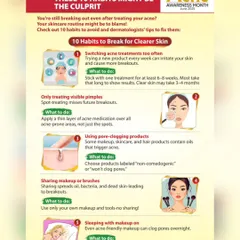
Evidence-Based Skin Care Advice and Dermatology Guidance
Expert Skincare Solutions for Every Age and Life Stage
 14
14Vitiligo Treatment and Advanced Scar Revision
More from Medical Dermatology by Shubha Kesari
More services by Shubha Kesari