Practical Organic Gardening Tips for Home Growers
Growing your own vegetables in Bengaluru is rewarding, but even the best gardens hit a snag sometimes. Use these tips to troubleshoot common issues and get the most out of your plants.
To help you succeed, we've created this simple Plant Care Checklist. Following these five steps: right sunlight, proper watering, dusting leaves, checking for pests, and repotting when needed, will keep your plants happy and healthy.
Are your seeds not sprouting? Don't worry, it's a common issue. We've identified the 5 most common mistakes beginners make and created a guide to help you fix them and get your seeds to grow strong.
Overwatering or underwatering is a frequent problem that can lead to rot or dryness. The key is to keep the soil consistently moist, but not soggy. Feel the soil before you water to understand what your plant needs.
You can protect your garden without harmful chemicals. We advocate for natural pest control methods like companion planting, using sticky traps, and encouraging beneficial insects like ladybugs to keep pests in check.
Did you know that some plants help each other grow? This video explains companion planting, like pairing marigolds with tomatoes to naturally repel pests and improve your crop yield.
Knowing when to harvest is crucial for the best flavor. For spinach, you should harvest the leaves before the plant starts flowering (bolting), as the leaves can turn bitter afterward.
A simple tip for harvesting spinach: always pick the leaves when they are young and tender, typically 30-45 days after sowing. Avoid harvesting after the plant has started bolting or flowering.
About Gardening Tips & Education
Before you water your plants, stick your finger an inch into the soil. If it feels dry, go ahead and water. If it is moist, wait a day. Overwatering is the biggest reason for root rot in container gardens, and often, less is more for your plants.
Gardening is a journey of trial and error. Whether you are battling aphids on your tomatoes or wondering why your spinach leaves turn bitter, you are not alone. Our approach focuses on long-term plant health through simple, chemical-free habits.
Troubleshooting Your Garden
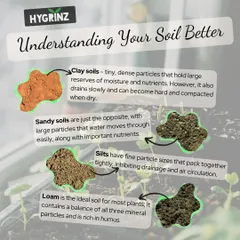
If your seeds fail to sprout, check your depth. A common mistake is planting seeds too deep, which prevents the shoot from reaching the surface. Also, ensure your soil mix is lightweight and airy, not dense or clay-heavy, to allow proper root respiration. If you are using our Prithvi soil media, you will notice the difference in drainage immediately.
Natural Pest Management
Chemicals are not the only answer to pests. Companion planting is a powerful tool. For instance, planting marigolds near your vegetable beds helps deter aphids and whiteflies. For sucking pests, yellow sticky traps are a highly effective, non-toxic intervention. We always recommend checking your plants for pests in the morning when you have the best light.
The Art of Harvesting
Harvesting is often overlooked. For leafy greens like palak, time it right. Pick leaves before the plant bolts or starts flowering, as bolting causes the plant to divert energy to seeds, making the leaves turn hard and bitter. If you see signs of flowering, harvest immediately to save what you can.
Need a second opinion on a struggling plant? Send us a message and we can help you identify the issue.
Similar work from other experts
Browse through Curated picks from other experts on mytribe
 49
49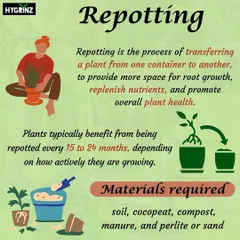
Practical Gardening Tips and Techniques for Bangalore Homes
Organic Gardening Tips & Natural Hacks for Bangalore Homes
Organic Gardening Tips: Sustainable Care for Your Green Space
Simple Gardening Tips for Happy Plants
Practical Gardening Tips for Bengaluru Homes
Gardening Tips and Tutorials for Bangalore Homes
More from Landscape & Garden Services by Multiplex Urban Green
More services by Multiplex Urban Green