My Personal Yoga Practice and Discipline
A teacher must be a dedicated student first. This is how I refine my own movement, focus, and understanding before I ever step in front of a class.
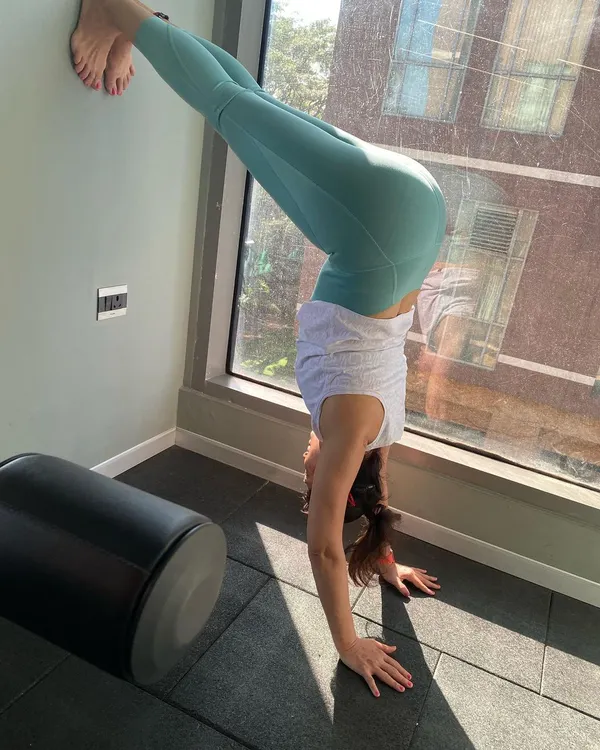
My own practice is the foundation of my teaching. Here I am working on a handstand and Dhanurasana, because a teacher must first and foremost be a dedicated student of yoga.
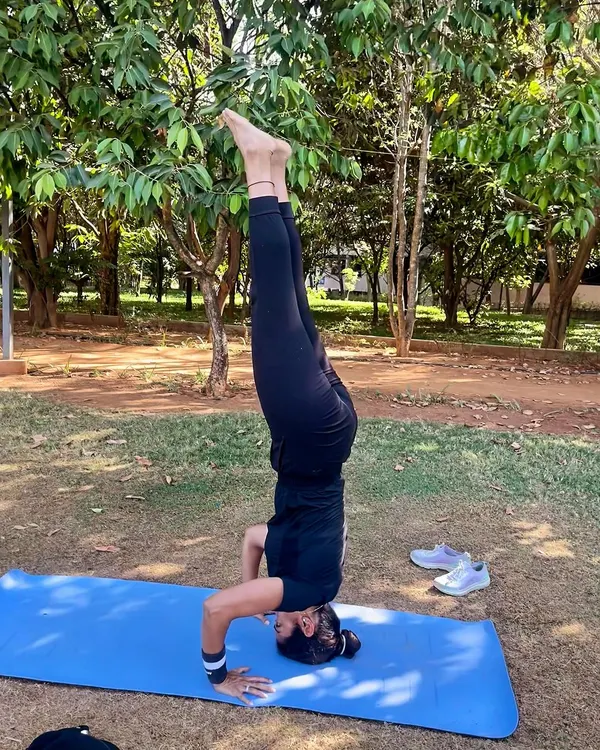
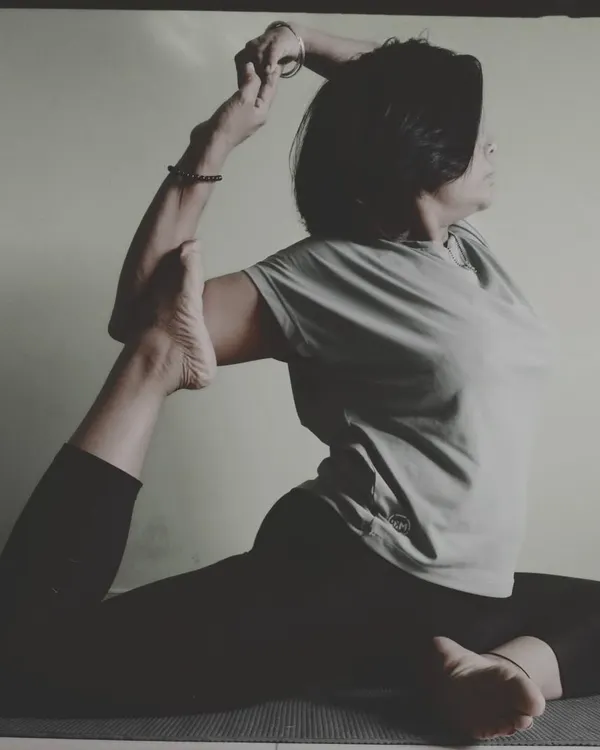
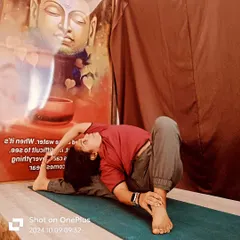
This is my practice of Ek Pada Sirsasana and a handstand variation. I believe in adapting the principles of yoga into every aspect of life, including the media I share.
Mastering the extremities of movement and stillness. My practice explores dynamic motions and the challenge of holding a steady, focused asana.
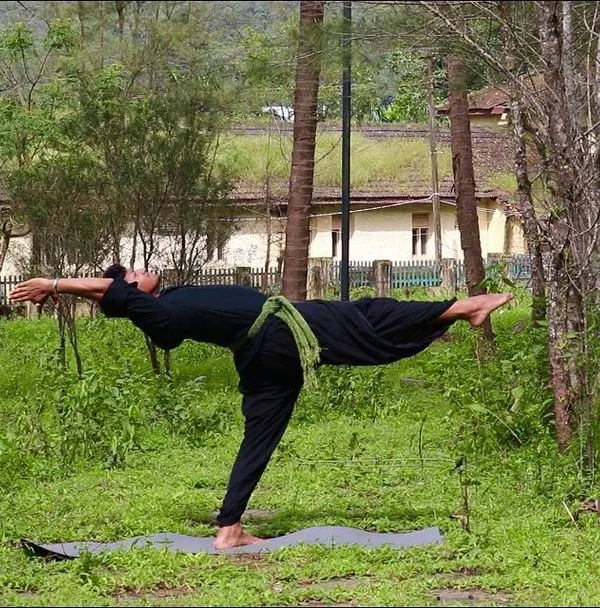
Refining advanced poses like the standing split and Eka Pada Koundinyasana II. Consistent self-practice is non-negotiable for any serious teacher.
A shoutout to all yoga teachers who miss their own morning practice to conduct classes for their students. The dedication to teaching often requires personal sacrifice.
A demonstration of Bakasana (Crow Pose) and a reclining split. Every practice is an opportunity to connect with the body and quiet the mind.
Advanced asanas do not equate to advanced yoga. This is a demonstration of Parsva Bakasana, but the real practice is in the awareness and control, not the pose itself.
In the quest for inversions, it's important to remember why we practice. Asanas can be a tool to overcome our problems or a shield to cover them. I choose the former.
Asana without the first two limbs of yoga, the Yamas and Niyamas, is just a crutch. My practice of Chakrasana and headstand variations is grounded in this ethical foundation.
A flow sequence including Vasisthasana (Side Plank) and a headstand tuck. Practice is about exploring the body's capabilities with intelligence and care.
About My Practice
This gallery isn't here to impress you with flexibility; it's a look into my daily discipline. You’ll notice I rarely use specialized props to create these shapes—I rely on basic body mechanics and household furniture. This is exactly how I teach: using what you have to build actual strength and functional control, rather than chasing a hollow aesthetic.
My personal practice is the foundation of my teaching. If you see me practicing Bakasana or headstand variations, understand that the goal isn't the pose. The goal is the awareness and control I bring to the movement.
Why No Props?
Modern yoga has become obsessed with 'add-ons'—blocks, straps, and expensive mats. When you rely on these, you aren't learning your body; you are learning how to use a prop. I teach you to find your center, balance your 'headweight'—the stress and internal noise—against your physical mass. When you practice without these crutches, your real weaknesses become obvious, and that is where the healing begins.
Clinical Accuracy vs. Aesthetics
I have seen too many students arrive with injuries because they chased an 'Instagram-worthy' pose without the foundational strength to support it. My practice is designed to be sustainable, not just for the camera. We focus on the Yamas and Niyamas as the base, because asana without ethical and mental discipline is just gymnastics.
Whether it's rehabilitating a herniated disc or simply learning to breathe and move with intention, my methodology is rooted in this same self-practice. It takes time—shraddhe irbeku (you need faith)—but consistent, intelligent effort always yields results. Barutte, barutte (it will come).
Similar work from other experts
Browse through Curated picks from other experts on mytribe
 6
6
My Personal Yoga Practice and Discipline
 7
7
My Personal Yoga Practice: Nature & Alignment
 26
26
Advanced Yoga Skills & Personal Practice
My Personal Path: Philosophy and Practice
 16
16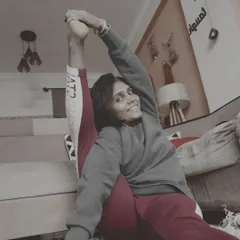
Advanced Yoga Asanas and Personal Practice
My Personal Yoga Sadhana and Daily Practice
More from Online Yoga Training & Mentorship by Manjunath Murthy
More services by Manjunath Murthy