Polki vs Kundan: Decoding Indian Jewellery Styles
They look similar, but the difference in material and value is huge. Let’s break down the artistry behind Polki and Kundan so you can pick what truly fits your style and budget.
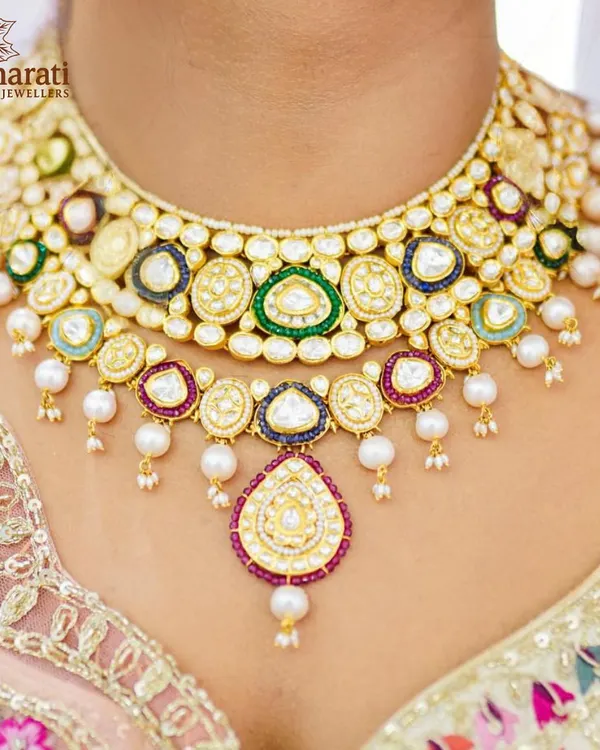
At a glance, Polki and Kundan jewellery can look similar, but they are fundamentally different. This visual guide shows a Polki set with uncut diamonds and a Kundan set with glass or gemstones.
The key difference lies in the material. Polki uses real, uncut diamonds, giving it a natural shine and higher intrinsic value. Kundan, on the other hand, traditionally uses glass or semi-precious gemstones set in gold foil.
So, what exactly is Polki? Pronounced "poll-key," it refers to uncut diamonds that are shaped to follow their original rough form. They have an unfaceted, unpolished surface that gives them a raw, natural beauty.
Polki jewellery showcases the raw, natural look of uncut diamonds. This tradition blends ancient styles with modern appeal, allowing for detailed craftsmanship where each hand-selected stone shines.
Polki is never perfect, and that's its true beauty. Because they are raw, uncut, and unpolished, Polki diamonds don't have the uniform look of brilliant-cut stones. This is exactly why they are so loved.
Each Polki diamond retains its natural shape, edges, and inner lines. This means no two pieces are ever exactly the same. You get a natural glow and a one-of-a-kind look that polished diamonds can't match.
Why choose Polki? It's timeless and perfect for bridal wear, it has a high resale value due to the uncut diamonds and gold, and its versatile beauty complements both ethnic and Indo-Western outfits.
Did you know some Polki pieces are older than your grandmother? Many are over 100 years old, passed down as heirlooms. Each one carries history, stories, and generations of sparkle.
The magic of Polki jewellery lies in its age. Crafted using ancient Jadau techniques, these pieces are not just accessories; they are historical artifacts that connect us to the past.
Polki jewellery has deep historical roots in the Mughal era, from the 16th to 18th centuries. It was favored by royalty and the elite, often adorned with intricate goldwork and other precious gemstones.
About The Art of Indian Jewellery: Polki, Kundan & More
The biggest mix-up we see is between Polki and Kundan. Simply put, Polki uses real, uncut diamonds, while Kundan uses glass or semi-precious stones set in gold foil. Because Polki involves real diamonds, it naturally carries a higher resale value and creates a different kind of glow. When we work on these pieces, we make sure you understand exactly what you are paying for—from the diamond quality to the making charges.
Understanding the Artistry
Many people think Polki and Kundan are the same because they share that classic, regal aesthetic. However, the difference comes down to the stones:
- Polki: We use raw, uncut diamonds. They are not polished to perfection like solitaire diamonds, which gives them a unique, natural look. Because they are real diamonds, they are an investment.
- Kundan: This style traditionally uses glass or polished gemstones. It looks beautiful, but it serves a different purpose and budget than Polki.
Why Design Matters
At Maniraj Solitaire, we work with the traditional Jadau technique for our Polki pieces. This is an intricate process where stones are set in gold with lac. Whether you are looking for a heavy bridal set for a wedding or a smaller piece for festive wear, my goal is to guide you through the choice.
Transparency in Your Purchase
I believe you should never feel confused when buying jewellery. Here is how we make the process stress-free:
- Detailed Billing: You get a clear breakdown of gold weight, making charges, and stone costs. No hidden numbers.
- Customization: We don't believe in mass-producing. If you have a specific vision for a Polki set, we can create it from scratch, ensuring it fits your face shape and personal style.
- Hallmarking: Every piece of gold used in our settings is BIS hallmarked.
Whether you are looking to create a new heirloom or simply understand the value of the pieces you already own, I am here to help you decode the complexities of Indian jewellery.
Similar work from other experts
Browse through Curated picks from other experts on mytribe
 14
14
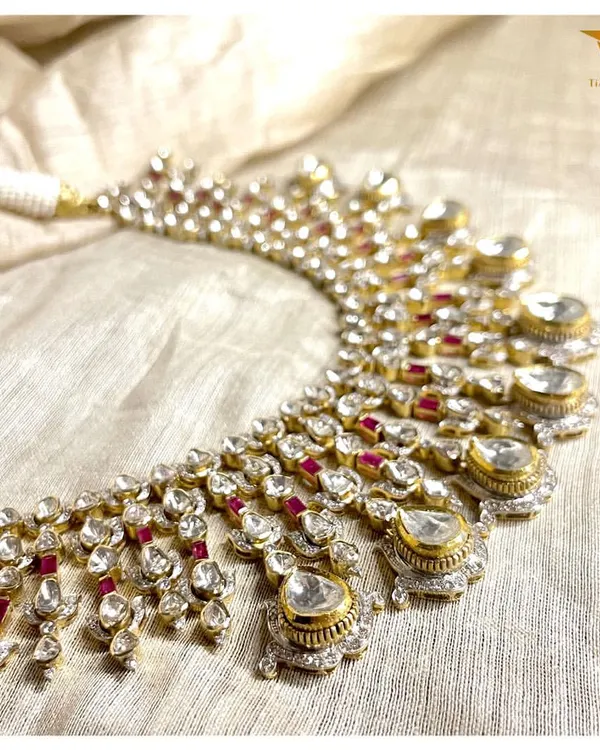
Kundan and Polki Jewellery Sets for Heritage Weddings
 22
22
Handcrafted Polki and Kundan Jewellery Designs
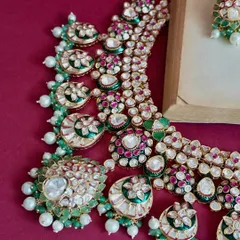
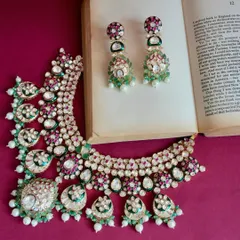
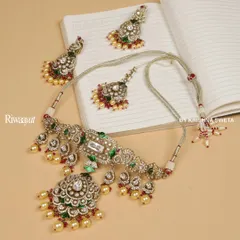
Handcrafted Kundan & Polki Jewellery Collections
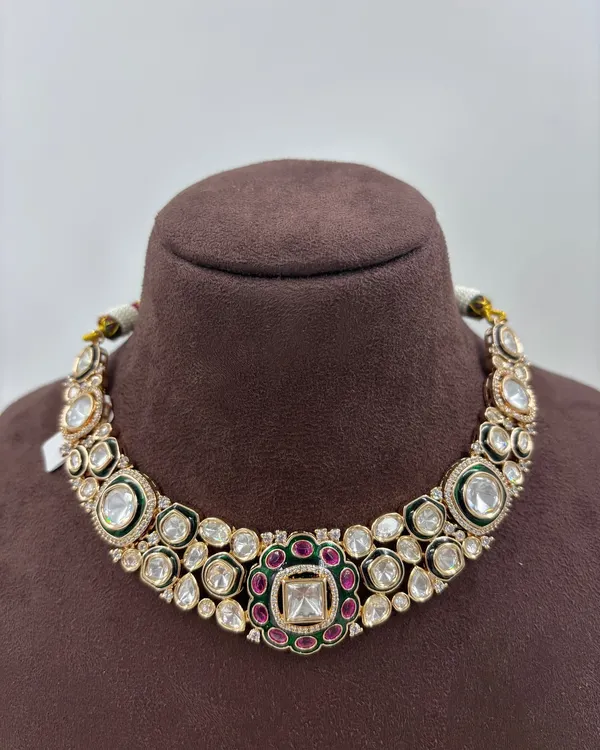 32
32
Handcrafted Kundan, Polki & Meenakari Jewellery Sets
 14
14


Exquisite Polki & Kundan Jewellery Sets
Handcrafted Polki Bridal & Heirloom Sets
More from Jewellery Buying Consultation by Maniraj Solitaire
More services by Maniraj Solitaire