Traditional Painting Tutorials and Creative Techniques
Explore the magic of traditional mediums with me. Whether you want to master oil pastels or try gouache for the first time, I am here to guide you through every stroke—mess-ups included!
The finished triptych of mini-landscapes created with oil pastels on black paper. I love how this medium allows for such rich color blending to capture different times of day.
An ocean scene created with just a few shades of blue and white oil pastels. This piece is all about capturing the reflection of the sun on the water's surface.
My take on a rainy monsoon day, using oil pastels to create the effect of water droplets on a window. It was a fun challenge to create a sense of depth and transparency.
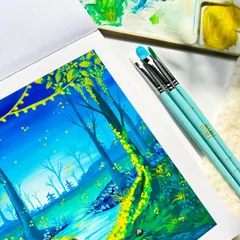
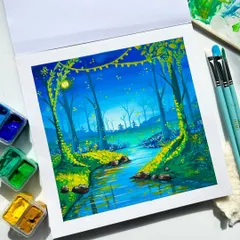
This was my very first attempt at painting with gouache! I think it turned out "not so perfect," but I learned so much about the medium and had a great time creating this little forest pond scene.
Here is the process video of my first gouache painting. You can see me experimenting with layering the opaque colors to build the scene, which is all part of the learning process.
About Traditional Painting Fun
The secret to getting those rich textures in oil pastels, especially on black paper, is all in the layering. Don't worry about getting it perfect on the first go; I usually start with rough layers to build depth before refining the details. It is about enjoying the process, not just the final result, so pick up your pastels and let’s get messy.
Painting shouldn't feel like a chore. Whether you are working with oil pastels or gouache, the best way to learn is by doing. I often use Anupam 300gsm watercolor sheets or black paper because they hold up well to layering, which is crucial when you are blending colors for landscapes or water droplets.
If you are trying oil pastels, start with simple shapes. For the ocean or monsoon scenes you see here, I focused on layering blue and white tones to catch the light—reflection is everything. With gouache, the technique is totally different; it is about opacity and building color. My first forest pond attempt was definitely not perfect, but it taught me exactly how the paint behaves on the page.
In my sessions, I do not use fancy art school jargon. We talk about blending, brush pressure, and light, but in a way that actually makes sense. You will see me use Copic and Ohuhu markers alongside my paints to add those final pop-details. If you are a beginner wanting to explore traditional mediums, do not overthink your tools. Grab a basic set, a decent paper pad, and just start. You will mess up, the colors might bleed, and that is exactly how you get better. Let's make some art together.
Similar work from other experts
Browse through Curated picks from other experts on mytribe
 15
15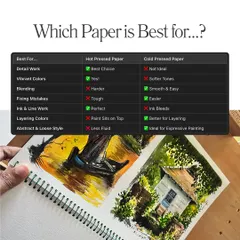
My Creative Process: Art Tips, Techniques, and Studio Stories
Art Tutorials and Beginner Painting Inspiration
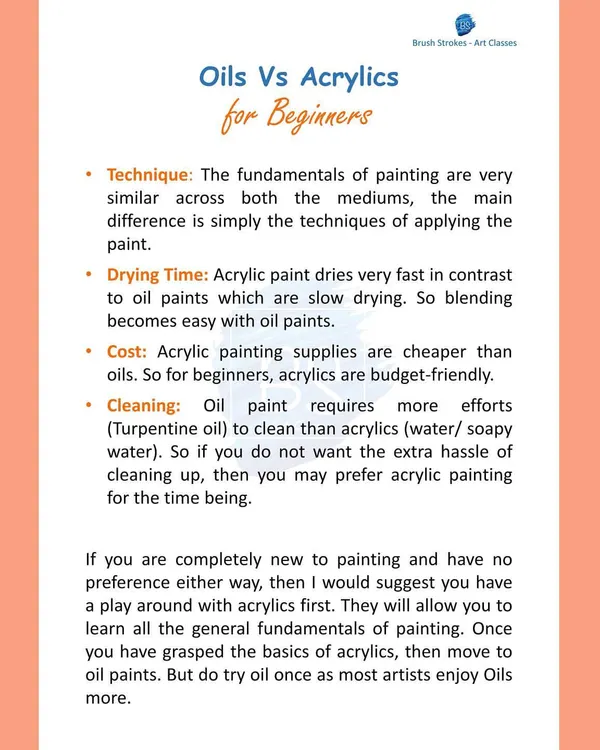
Acrylic Painting: Learn to Layer and Blend
 17
17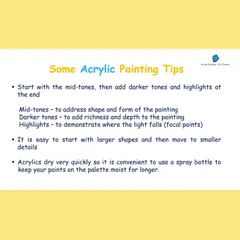
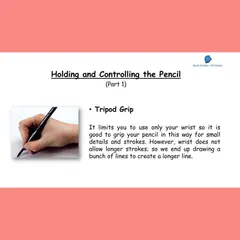
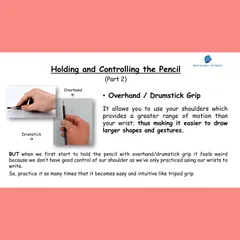
Art Fundamentals & Tips: Simple Guides to Start Painting
Hand-Painted Gouache & Acrylic Landscapes
Artist's Toolkit: Techniques and Supplies for Sketching
More from Art Workshops & Tutorials by Bhagyashree Bhatt
More services by Bhagyashree Bhatt