Master Polite and Professional English
Stop sounding blunt at work. Learn how to turn rude replies into professional phrases that build respect and career growth.
Instead of saying "I don't have time for this," learn to say, "I'm a little occupied right now; can we schedule a time to discuss this later?" This is a basic manner that shows respect for others.
Saying "That's not my job" can sound rude. A more professional response is, "This doesn't fall under my responsibilities, but is there a reason you want me to do this?" This opens a dialogue instead of shutting it down.
Instead of telling someone to "figure it out yourself," empower them by saying, "I believe you can handle this, but if you need assistance, you can ask me." This builds trust and shows you are a supportive colleague.
It's easy to say "Stop bothering me," but it's not professional. Try this instead: "I am busy with something else right now. Can we talk about this a little later?" This is a polite way to manage your time and relationships.
Calling someone "lazy" is negative and unhelpful. A better approach is to say, "I've noticed a lack in productivity. Is there something you would like to share with me?" This focuses on solving the problem, not blaming the person.
No idea is a "stupid idea." Instead of dismissing a thought, encourage collaboration by saying, "Let's brainstorm to look at more alternatives." This fosters a positive and creative environment.
When you disagree, avoid saying "I don't care what you think." A more constructive phrase is, "You have a different perspective. Let's find a common ground." This shows you value their opinion even if you disagree.
Asking "Who came up with this nonsense?" is disrespectful. Instead, show curiosity by asking, "Can you tell me what is the thought process behind it?" This focuses on understanding the 'why' behind an idea.
Telling someone "You are so slow" is demotivating. A more supportive way to speak is, "I notice this is taking longer than expected. Can I assist you in something?" This offers help instead of criticism.
Instead of calling something "pointless," ask for clarification. Say, "I don't see how this connects to the current situation. Can you explain the connection?" This shows you are engaged and trying to understand.
About Master Polite & Professional English
At work, it is rarely just what you say, but how you say it that matters. I have seen talented people lose opportunities simply because they sounded dismissive or rude without meaning to. In this cluster, I break down common workplace phrases that often sound harsh and show you exactly what to say instead. This is not just about vocabulary; it is about upgrading your professional image to command respect.
Professionalism is a language. Many people struggle in their careers not because they lack skills, but because their communication style creates friction.
Why Polite Communication Matters
When you use blunt phrases like 'That's not my job' or 'I don't have time,' you aren't just setting a boundary; you are shutting down a relationship. My approach focuses on 'Psychology + English.' We don't just memorize polite phrases; we understand why they work.
What You Will Learn
- Setting Boundaries Without Being Rude: Learn to say 'no' to extra tasks without offending your manager.
- Handling Disagreements: Discover how to express a different perspective without being confrontational.
- Giving Feedback: Master the art of offering constructive criticism that people will actually listen to.
- Requesting Assistance: Stop sounding demanding and start sounding like a collaborator.
Take Control of Your Narrative
I have spent 30 years teaching this. Whether you are a student preparing for interviews or a professional looking to climb the corporate ladder, these modules will change the way you interact with colleagues. You will move from being 'that difficult person' to 'that effective communicator.'
Stop leaving your career growth to chance. If you are ready to fix your foundation and start speaking like a leader, check out my live interactive courses. We practice real-life role plays, correct your errors on the spot, and build the confidence you need to speak up in any meeting.
Similar work from other experts
Browse through Curated picks from other experts on mytribe
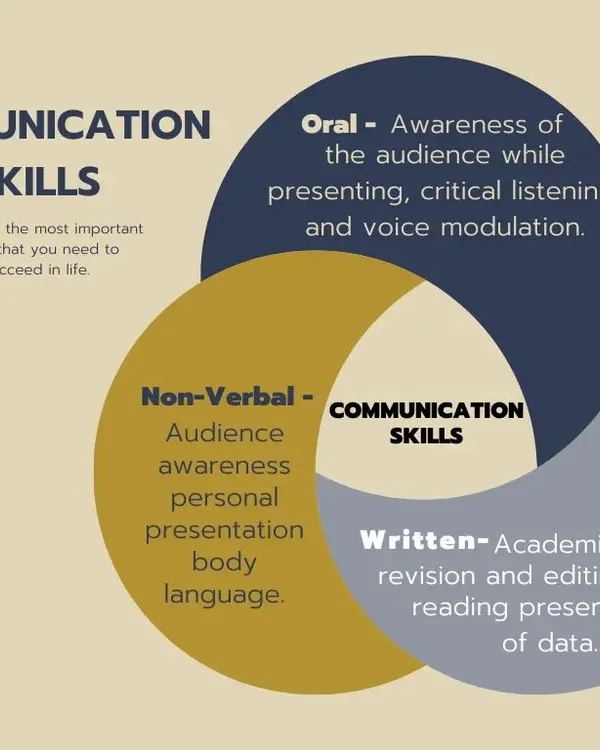 10
10Professional Communication & Etiquette Coaching

Free English Lessons and Practical Tips
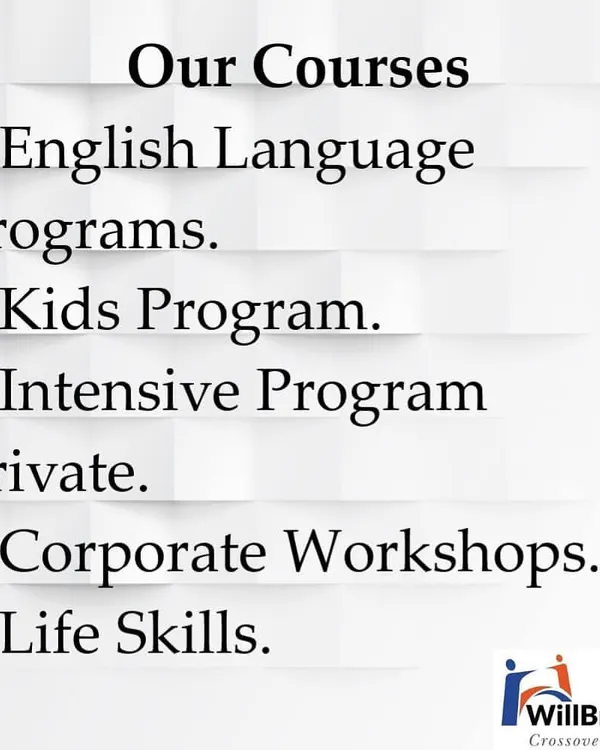 6
6
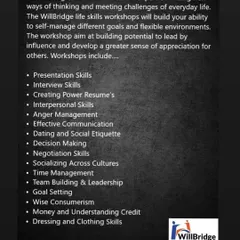
Our Practical Training Programs and Workshops
 11
11
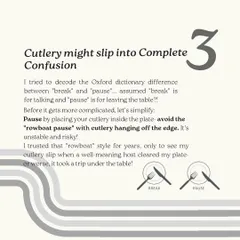
Modern Etiquette: Dine with Grace and Confidence
 12
12
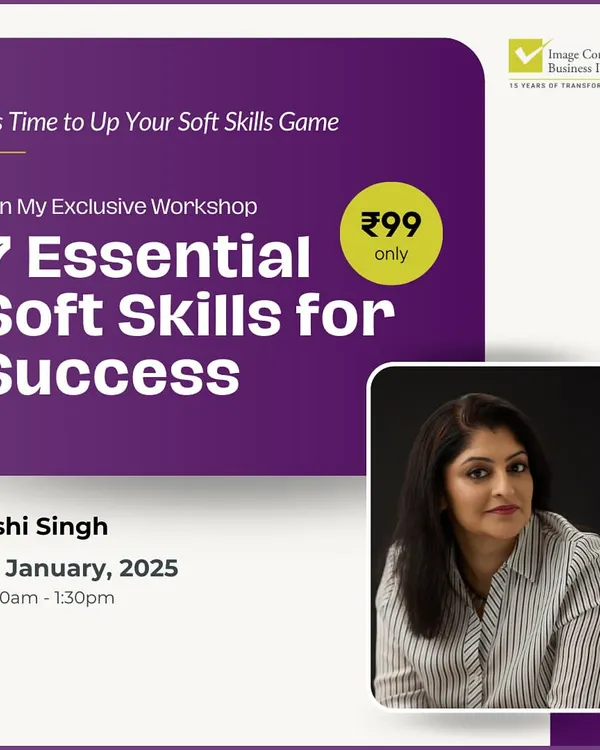
Professional Development Workshops for Educators
 17
17

Interactive Workshops for Professional Success
More from English Communication & Confidence Building by KAM Training Services
More services by KAM Training Services