Advanced Laser & Resurfacing Treatments
Your face isn't just skin; it's your identity. If you're struggling with stubborn acne scars, open pores, or dull texture, stop experimenting with unsafe hacks. Let’s look at evidence-based resurfacing.
This is me performing a Carbon Laser Facial. It's an excellent treatment for deep cleaning pores and removing accumulated dirt and oil, leaving the skin instantly brighter and smoother.
When stress and deadlines show up on your face, Millifrac can help. This fractional laser treatment smooths texture, fades scars, and brings back a confident glow by stimulating the skin's natural healing process.
In this video, I explain the difference between Pico and Q-switch lasers. While both treat pigmentation, Pico lasers deliver energy faster, meaning fewer sessions and fewer side effects, especially for stubborn conditions like melasma.
A humorous take on post-treatment care. After a Millifrac laser session, avoiding sun exposure is not a suggestion, it's a rule. Protecting your skin is crucial for achieving the best results.
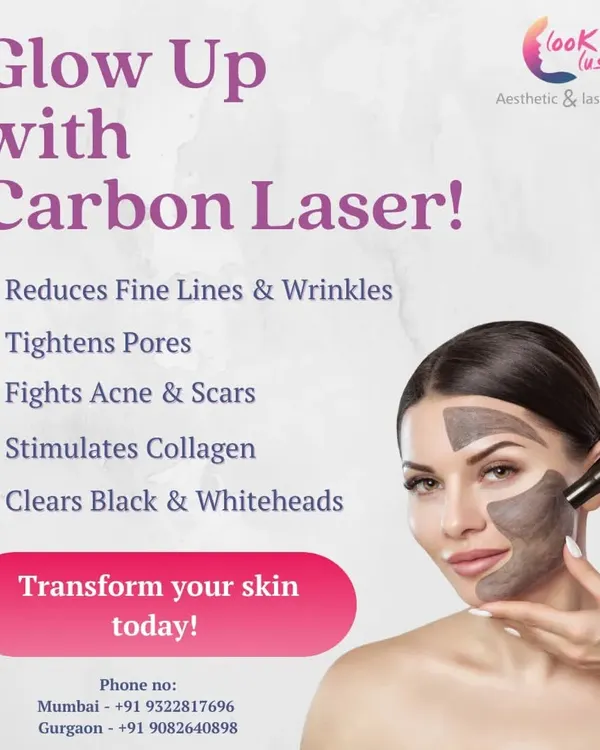
Here are the key benefits of a Carbon Laser facial. It evens out skin tone for a radiant glow, minimizes the appearance of pores, and helps reduce acne and future breakouts.
A client undergoing a Millifrac treatment. This advanced skin resurfacing is a gift to your skin, helping to boost collagen, reduce acne scars, and smooth uneven texture for a renewed complexion.
The plan is a Carbon Peel treatment. This is one of my favorite ways to give the skin a complete reset, as it deeply cleanses pores, reduces pigmentation, and boosts collagen all at once.
Here I explain why Millifrac is superior to conventional microneedling. Its speed creates millions of micro-channels quickly, causing less pain and downtime while allowing for deeper delivery of potent serums to target melasma, scars, and aging.
This video shows a Millifrac treatment on the back, which is effective for treating acne scars, wrinkles, and uneven texture on the body as well as the face. It boosts collagen and restores a natural glow.
If you ask me which treatment in my clinic is the most beneficial for a wide range of concerns, I'd often say the Fractional CO2 laser. It is the gold standard for reducing acne scars, smoothing wrinkles, and overall skin rejuvenation.
About Advanced Laser & Resurfacing Treatments
Dekho, the most common mistake I see is people expecting a 'miracle' from one session. When we do a Carbon Laser or Millifrac, we aren't just zapping skin; we are triggering a healing process. You need to commit to the downtime—which for Millifrac is thankfully only about six hours—and strictly follow post-procedure sun protection. If you aren't ready to baby your skin for a few days, let's wait until you can.
Why 'Advanced' Means Medical-Grade
When you walk into my clinic in Hauz Khas, you aren't getting a 'spa day' laser. You're getting an AIIMS-trained dermatologist assessing your skin movement and type. Most of the 'glowing' treatments you see online are superficial. My resurfacing protocols—whether it's the Carbon Laser 'Hollywood Peel' or fractional resurfacing—are designed to go deep.
The Millifrac Advantage
Ab aap bologe, how is this different from standard microneedling? Regular needles cause tissue damage. My Millifrac device creates 1,920 micro-channels in a single second. It is faster, less painful, and crucially, has a downtime of only six hours. We pair this with potent serums that penetrate deeper to tackle melasma and acne scars.
Pico vs. Q-Switch: Knowing the Science
There is a lot of confusion about which laser to pick. I always explain it with the pulse width. Pico lasers deliver energy in picoseconds, meaning high energy for an extremely short duration. This leads to fewer sessions and fewer side effects compared to the older Q-switch technology. For pigmentation or tattoo removal, Pico is usually the gold standard.
Your Safety Checklist
- No Trends: We don't follow buzzwords. We follow FDA-approved tech.
- Supervision: I don't leave my team to do these lasers unsupervised. I am involved in your mapping and procedure.
- Aftercare: If you get a resurfacing treatment, you must avoid direct sun and heat. If you can't, you are better off skipping it.
Similar work from other experts
Browse through Curated picks from other experts on mytribe
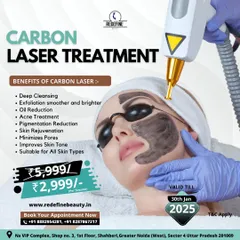
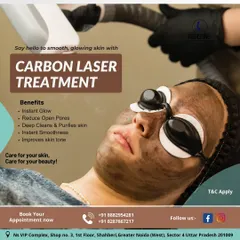
Advanced Laser Skin Treatments in Greater Noida
 9
9Advanced Laser Skin Treatments
 12
12
Professional Acne Scar & Skin Resurfacing Treatments
Effective Treatments for Acne, Scars, and Open Pores
 24
24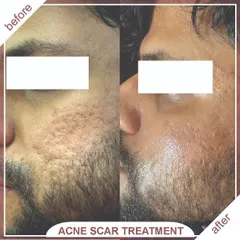
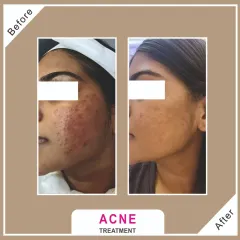
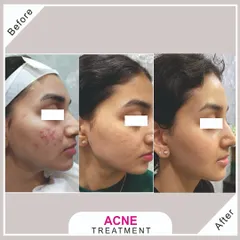
Acne, Scar & Pore Transformation Treatments
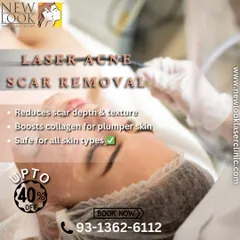
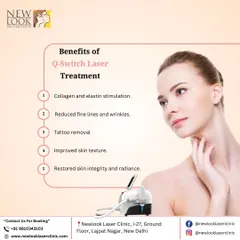
Advanced Laser Treatments for Acne Scars and Skin Tone
More from Advanced Facials & Skin Rejuvenation by Influennz