Understanding Child Custody Rights in India
Child custody is rarely about winning or losing. It is about where your child will be safe, happy, and supported. Understand your rights and the legal pathways for shared or sole custody.
It is a common myth that mothers are always granted custody in a child custody case. The law's primary focus is the welfare of the child, which means the court carefully considers what is best for them, whether that is custody with the mother, father, or a shared arrangement.
The Law Commission has proposed a new framework for joint custody to ensure both parents are actively involved in a child's upbringing. This is a positive step towards gender equality in parenting and helps prevent a child from being deprived of either parent's love and support.
This image is from my detailed YouTube video on the evolving laws around joint custody and new legal rights for parents in India. I break down how these changes promote shared responsibility and what they mean for your family.
A recent Delhi High Court ruling clarified that adultery alone cannot be the sole reason to deny a parent child custody. The court will always prioritize the child's welfare, and being an adulterous spouse does not automatically make someone an unfit parent.
This video introduces the core areas of family law I specialize in, including divorce and the often-related issue of child custody. My goal is to provide expert guidance to protect your rights and your children's interests.
About Child Custody: Putting Your Child's Welfare First
Many clients arrive assuming custody automatically defaults to the mother, but that is a common myth. The court's primary metric is the 'welfare of the child,' which evaluates educational needs, emotional stability, and financial support, not just gender. Before we file any petition, I always recommend assessing your specific situation—whether mutual understanding is possible or if a contested application is required to ensure your child remains a priority.
Moving Beyond the Myths
In my practice, I often hear parents express fear that they have no chance of obtaining custody due to societal or judicial biases. My role is to clarify that the Indian legal system operates on the principle of the 'welfare of the child.' Whether you are a mother or a father, the court's decision-making process focuses on who can provide the most stable environment for the child’s upbringing, health, and education.
Joint vs. Sole Custody
The legal landscape in India is evolving. We are seeing a positive shift towards joint custody arrangements, which allow both parents to remain active participants in their child's life.
- Joint Custody: We advocate for this where both parents can maintain a cooperative relationship. It ensures the child is not deprived of love from either side.
- Sole Custody: In cases where there is a history of abuse, neglect, or instability, we argue for sole custody to ensure the child’s immediate safety.
Our Process
When you come to us for a consultation in Rajouri Garden or via video conference, we don't just file papers. We analyze:
- Case Merits: We review existing communication, FIR copies, or prior agreements to build a strategy.
- Mediation: Whenever possible, we push for pre-litigation mediation to avoid the trauma of a courtroom battle.
- Representation: If the case reaches the Family Court, we handle all aspects, including interim maintenance applications and visitation rights enforcement.
Your child’s future is the highest priority. If you are struggling with access or facing a custody dispute, acting with the right legal strategy is the only way to protect your rights.
Similar work from other experts
Browse through Curated picks from other experts on mytribe
 9
9


Child Custody Laws in India: A Practical Guide
 4
4
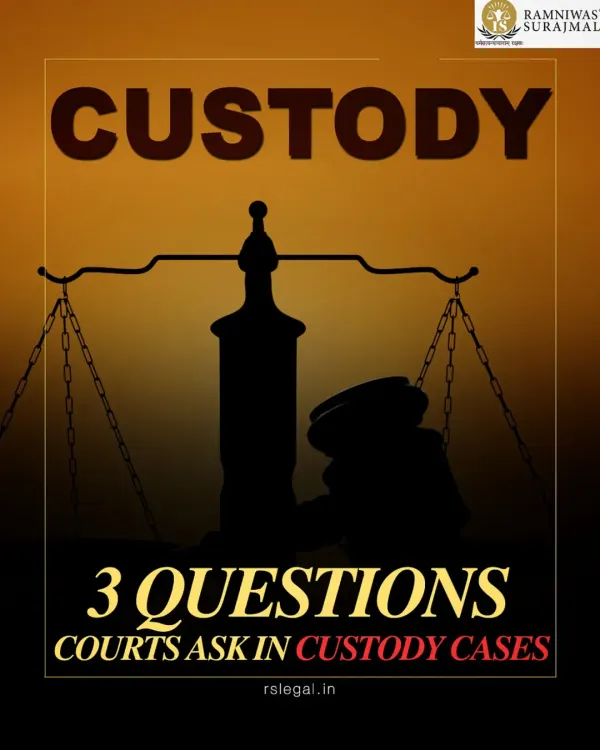
Legal Guidance for Child Custody Matters in Delhi
 4
4

Child Custody Legal Guidance for Parents
 6
6


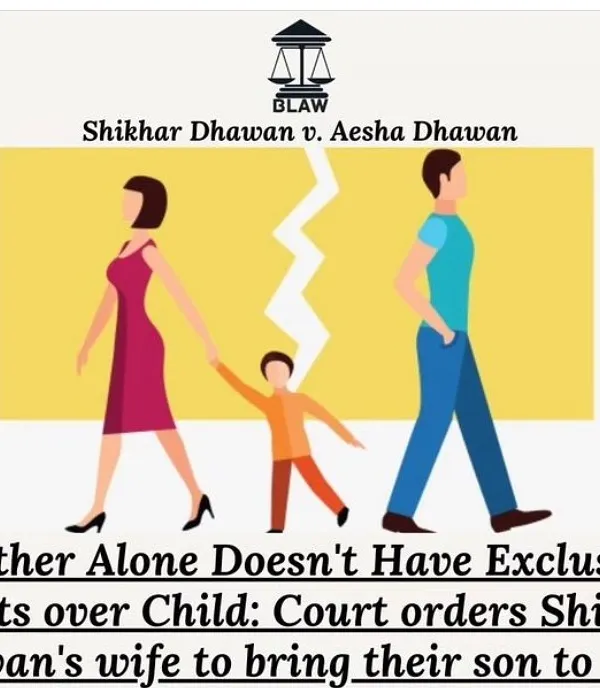
Child Custody and Guardianship Legal Support
 8
8

Child Custody & Visitation Rights in Delhi
 5
5


Protecting Your Children During Family Disputes
More from Family Law by G.S. Bagga
More services by G.S. Bagga