Science-Backed Skincare Tips and Advice
Skincare is not about following trends, it is about what works for your specific skin type. Here are some fundamental facts and quick tips to help you move past common myths.
What's your skin type? Knowing whether you have normal, dry, oily, or combination skin is the first step to choosing the right products.
Here's a simple way to determine your skin type. Just wipe your face with a clean facial tissue when you wake up in the morning.
Based on the amount of oil on the tissue, you can identify your skin type. This graphic shows you what to look for, from no oil for dry skin to oil spots for oily skin.
Here are some skincare hacks you might not know. I cover the importance of using sunscreen on your hands, the benefits of hyaluronic acid, and why a consistent routine is key.
Let your skin shine this wedding season. I offer advice on pre-wedding treatments and how to get that perfect bridal glow.
About Additional Tips & Insights
Most skincare issues I see in my clinic start with basic misidentification, like using oily-skin products on a compromised barrier. I always suggest starting with a simple morning tissue test: if your face feels tight or the tissue comes away clean upon waking, prioritize hydration; if it is greasy across your T-zone, you likely need balancing products. This simple habit prevents wasted time and money on ingredients that are not built for your unique skin chemistry.
Skin science is about consistency, not finding a miracle cure. Whether you are building your first routine or trying to fix a damaged barrier, here are the core principles I teach my patients:
The Importance of Consistency
Viral skincare trends often push aggressive active ingredients that can irritate your skin. A solid routine is boring by design: a gentle cleanser, a moisturizer that suits your skin type, and, non-negotiable, daily sunscreen. Stick to this for 4 to 6 weeks before expecting to see results.
Ingredients That Actually Work
- Retinol: A gold standard for aging, but it must be introduced slowly. It speeds up cell turnover, but overuse will lead to flaking and redness.
- Hyaluronic Acid: This is a hydrator, not a moisturizer. It attracts water to the skin, so always apply it to damp skin and seal it with a cream.
- Niacinamide: Excellent for managing inflammation and oil production, making it a great addition for those with acne-prone or oily skin.
- Ceramides: The glue that holds your skin cells together. If your skin feels tight or stings when you apply products, you likely have a damaged barrier and need ceramide-rich repair.
Common Mistakes I Help Fix
- The DIY Trap: Please stop using lemon, toothpaste, or baking soda on your face. These disrupt your skin's pH balance and often cause chemical burns.
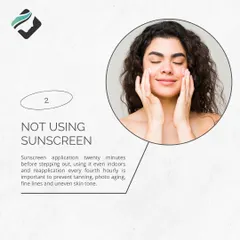
- Sunscreen Neglect: Your face is not the only part of you that ages. Apply SPF to your neck, chest, and the backs of your hands daily to prevent premature wrinkles and sunspots.
- Over-Exfoliating: Scrubbing your face more than once or twice a week damages the protective barrier. Let your skin renew itself naturally.
If you have been struggling with a specific concern like persistent acne, dermatitis, or dullness, these tips are just the starting point. A medical consultation helps us identify the root cause so we can prescribe pharmacy-grade actives that are safe for your specific biology.
Similar work from other experts
Browse through Curated picks from other experts on mytribe


Expert Skincare Advice from Board-Certified Dermatologists
Your Science-Backed Guide to Healthy Skin
Skincare Myths & Facts: Real Advice from a Dermatologist
Building a Scientific Skincare Routine

Expert Skincare Education and Advice in Bangalore

Dermatologist-Approved Skincare Advice for Healthy Skin
More from Personalized Skincare Routine Design by Preeti Havanur
More services by Preeti Havanur