The Veiled Project: Sensory Retail Architecture in Mumbai
Located in a heritage building in Ballard Estate, this 1,000-square-foot retail design uses dynamic curtains and contrasting floor textures to create a meditative, slow-paced shopping experience.
In this retail project, we used ephemeral elements like sheer, motorized curtains to create a sense of discovery. The design creates a serene, pod-like sanctuary for the display bed, separating it from the main space while maintaining a light, veiled connection that invites curiosity.
We believe architecture should engage the senses. For 'The Veiled Project', we used rough pebble stone flooring to intentionally slow a visitor's pace, encouraging a mindful, tactile experience of traversing the space and creating a transition to softer, quieter zones.
This axonometric view illustrates the core concept of 'The Veiled Project'. It shows the capsule-like display areas and the carefully orchestrated circulation path, designed to guide visitors through a series of unveiled moments within a restrained, monastic material palette.
The floor plan for 'The Veiled Project' details our solution to the site's spatial challenges, including an irregular column grid and limited natural light. Our design inserted a central, curvilinear gallery to create a fluid and engaging customer journey within the rigid existing structure.
About The Veiled Project: A Sensory Retail Experience
The site constraints, specifically an irregular column grid and limited natural light, required an intervention that moved beyond conventional wall-and-aisle planning. We implemented a central, curvilinear gallery that organizes the space while creating a non-linear flow. By integrating motorized curtains, we shift the focus from a single open room to a series of distinct, unveiled experiences, forcing the visitor to slow down and engage directly with the display.
Sensory Retail Strategy
Retail design often leans towards high-velocity interaction. In this project, we explored the opposite: a sanctuary for slow, contemplative consumption. By acknowledging the heritage constraints of the Ballard Estate site, we chose not to fight the aging structure, but to work within its deep proportions and vertical volume. The design prioritizes the customer's pace, treating the space as a sequence of deliberate discoveries.
Materiality as Navigation
The flooring selection was driven by sensory intent. We contrasted rough, organic pebble stone against the soft, tactile surface of tatami mats. This transition does more than define zones; it changes the visitor's gait and awareness. The floor dictates the rhythm of the visit, signaling when to transit and when to pause.
Dynamic Spatial Dividers
To manage the 13-foot ceiling height, we introduced motorized sheer curtains. These function as dynamic spatial dividers, allowing the floor plan to shift in real-time. When closed, they create a private, intimate pod for the shopper. When open, the space reverts to an expansive gallery. This mechanism solves the need for both privacy and visibility without relying on permanent, solid partitions that would have choked the limited light.
Technical Execution
A strict monochrome palette grounds the environment, removing visual noise so the products define the atmosphere. We carefully coordinated the lighting layout to complement the shadow play created by the curtains, ensuring the illumination remains atmospheric rather than clinical.
Similar work from other experts
Browse through Curated picks from other experts on mytribe
 12
12

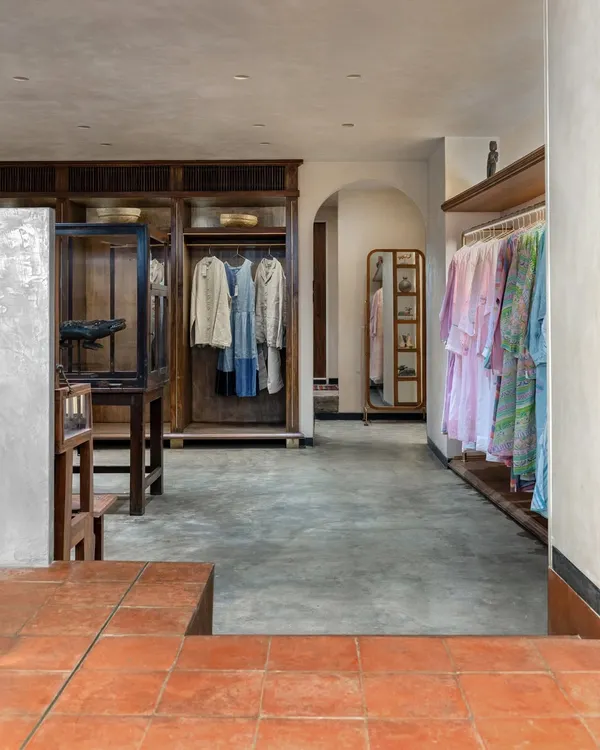
Heritage Retail Design: The Eka Boutique Project
 10
10

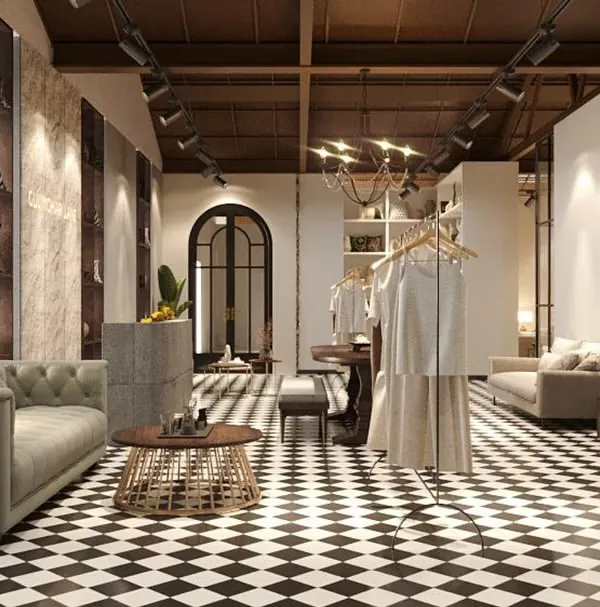
Retail Design for the Gulmohar Lane Flagship Store
 6
6
Retail & Museum Design in Mumbai
 6
6
Featured Commercial Interiors & Heritage Restoration
 9
9
Experiential Retail Design and Showroom Architecture
 16
16

Distinct Zones and Moods in Retail Design
More from Commercial & Hospitality Design by DIG Architects
More services by DIG Architects