From Concept to Reality: The Compartment S4 Process
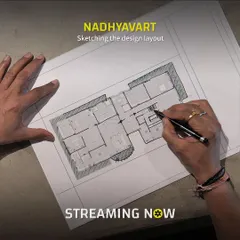
Every space begins as a conversation and a sketch. This is the journey from our initial architectural concepts and 3D renders to the final construction, showing how we bring a shared vision to life.
Our design process begins with a clear plan. This floor plan for the Eat Punjab restaurant in Chandkheda illustrates how we organized the layout around a central communal table to optimize flow and create a variety of seating zones within a compact space.
This axonometric drawing shows our design concept for the hanging communal table at Eat Punjab, Chandkheda. The graphic illustrates how the suspended structure and overhead lighting element work together to anchor the space and create a unique focal point.
This is the architectural floor plan for the Eat Punjab outlet in Gandhinagar. The drawing shows our design for the serpentine booth seating that flows through the center of the space, creating dynamic, semi-private dining nooks and maximizing seating capacity.
A 3D visualization of our design for Eat Punjab, Gandhinagar. This rendering helped the client envision how the curved seating, suspended cane ceiling panels, and lighting would come together to create an immersive and cohesive dining environment.
This floor plan for the 'On The Grid' office shows our meticulous space planning. The layout is organized on a clear grid, separating the director's cabin, meeting area, and workstations while maintaining an open, collaborative feel in a 700 sq. ft. area.
An exploded axonometric drawing of the 'On The Grid' office, deconstructing the key design elements. This graphic illustrates how the gridded flooring, textured glass partitions, and white walls form the core material palette of the minimalist space.
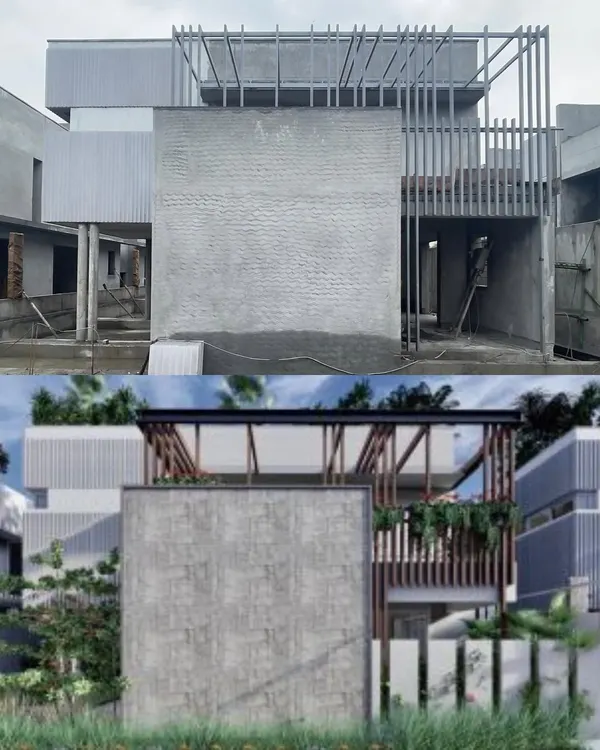
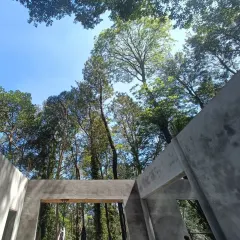
A before-and-after view of an ongoing residential project, showing the transition from a raw construction site to our 3D rendered vision. The design breaks away from a simple box, using intersecting volumes and courtyards to engage with the garden and bring in natural light.
This series shows the evolution of a space in one of our residential projects. From the bare concrete structure to the final 3D render, you can see how we envisioned a bright, open lounge area with glass block windows and comfortable, modern furniture.
This animated graphic, 'Slicing the Void,' illustrates the core concept for one of our office designs. We used diagonal axes to break up a simple square layout, creating angular walls and distinct zones that transform the void into a dynamic and functional workspace.
A glimpse of an upcoming residential project in Ahmedabad. This render showcases a corner window we designed to be an architectural marvel, creating a perfect nook for a reading chair that feels connected to the outdoors through its use of brick, wood, and cane.
About From Concept to Reality: Our Process
Before we select a material or place a piece of furniture, we spend time mapping the 'void' of your space. Whether we are carving out circulation paths in an office layout or orienting a home around a central courtyard to capture natural light, our 2D layouts and 3D visualizations act as the structural roadmap. This ensures that every aesthetic choice serves a practical purpose in your daily life.
Our Design Methodology
We don't just design for visuals; we design for how a space performs. Our process is rooted in a collaborative loop of sketching, rearranging, and refining. We involve you at every stage, turning the abstract into the tangible.
The Blueprint Phase
Every project starts with a deep dive into the floor plan. We look at the grid, the flow, and the constraints of the existing structure. For projects like our 'On the Grid' office design, this meant deriving the entire spatial logic from a strict grid to maximize efficiency in 700 sq. ft. We map these ideas into GFC (Good for Construction) drawings, ensuring the on-site team has a precise guide for every wall, partition, and service line.
Translating 3D to Reality
We use 3D rendering to bridge the gap between imagination and site execution. This is where we test textures, lighting, and volume—like our 'Slicing the Void' office concept, where slanted walls and angular flooring were modeled to break up a static square layout. Seeing a render helps us refine the placement of light fixtures, cane ceilings, or terrazzo inlay strips before the actual construction begins.
Site Visits and Collaboration
Design doesn't end at the drawing board. Our most meaningful work happens on-site, amidst the dust and the concrete. Whether we are checking the quality of hand-printed fabrics or adjusting a custom teak joinery detail, being physically present allows us to adapt to the reality of the site. We believe in getting our hands dirty, ensuring that the final output feels as good as it looks—a cohesive balance of architecture, identity, and comfort.
Similar work from other experts
Browse through Curated picks from other experts on mytribe
Our Design Process: Turning Sketches into Reality
 47
47
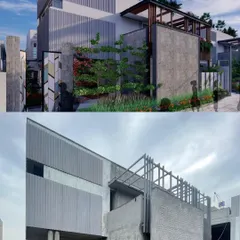
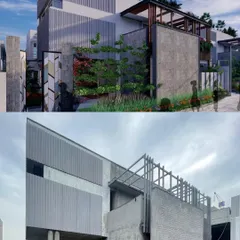
From Concept to Creation: Our Architectural Process
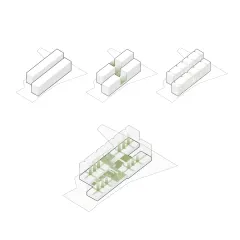
Our Architectural Design Process: From Sketch to Structure
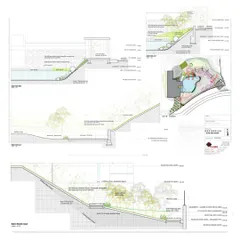
Our Architectural Design Process: From Concept to Reality
Architectural Design: From Concept to Creation
Our Design Process: From Initial Concept to Finished Space
More from Interior Design by Compartment S4
More services by Compartment S4