Recognition and Features of Our Architectural Work
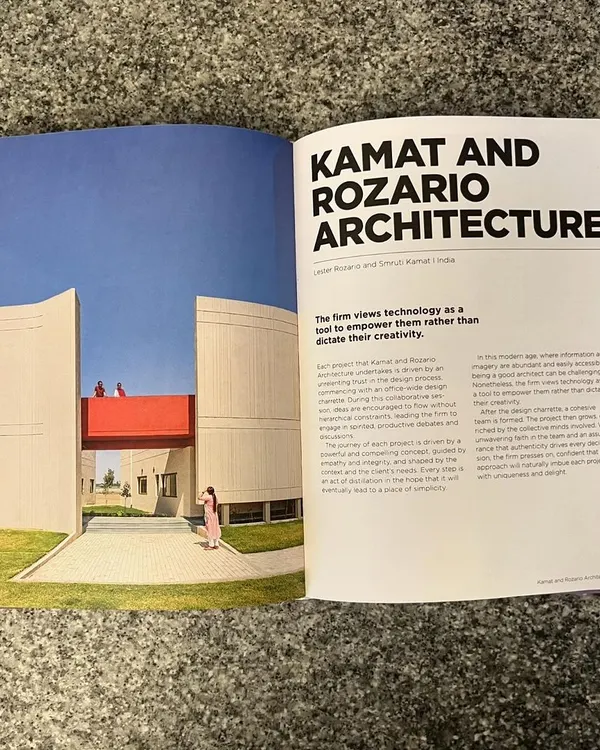
We are grateful to have our philosophy and design practice recognized by leading journals and institutions. These features represent our ongoing effort to create architecture that is deeply rooted in community, heritage, and quiet elegance.
We were honored to be named "Design Disruptors" by Outlook Business for our work in leading change on sustainability in architecture.
We are proud to be featured in the inaugural TAD 50 list by The Architect's Diary, celebrating 50 firms driving positive change in India.
The TAD 50 feature in the magazine, where we are grateful to be in the company of inspiring practices.
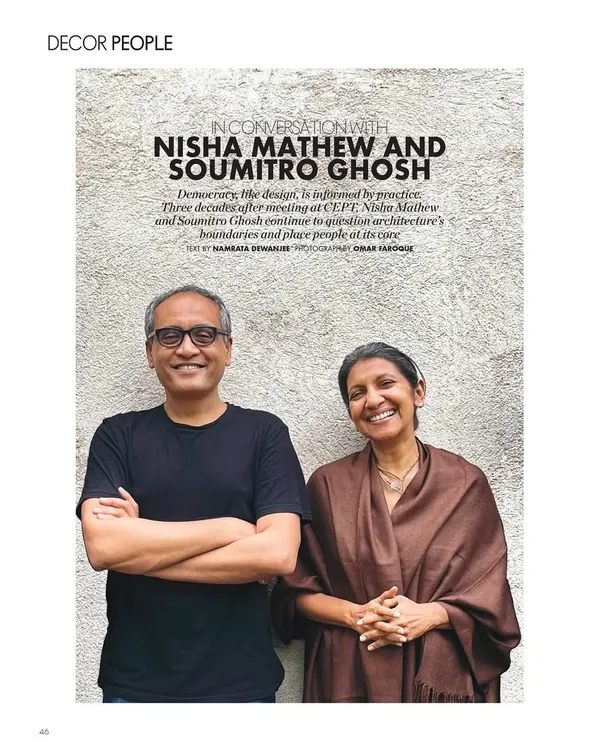
A closer look at our TAD 50 feature, which highlights our democratic and non-hierarchical approach to architectural processes.
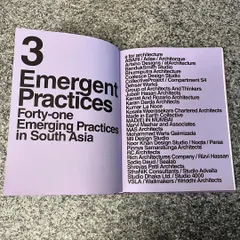
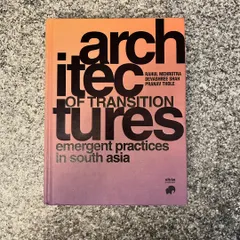
We are happy to have two of our projects published in the book "Architectures of Transition: Emergent practices in South Asia," curated by Rahul Mehrotra of Harvard GSD.
A look inside the "Architectures of Transition" book, featuring our BASA Homestay project and its focus on community-led eco-tourism.
Our Nepean Greens project was featured in LA Journal for its role in reclaiming urban space for democratic and inclusive use.
Our Monokuro workspace project has been featured across multiple design magazines, including this one from Rethinking The Future.
A feature in Architecture + Design on the adaptive reuse of Monokuro, highlighting its role in placemaking.
A feature image from one of the many publications that covered the Monokuro workspace design.
About Recognition & Features
Beyond the awards and magazine features, what matters most to us is that projects like the Monokuro workspace or the Rung Museum continue to function as intended. We focus on adaptive reuse that respects the existing structure, meaning our designs are not just for aesthetic appeal; they are built to be lived in, used, and sustained by the communities they serve.
Architecture, in our view, is not about creating isolated objects but about writing a story through space. When publications like Outlook Business or The Architect's Diary feature our work, they are usually highlighting this 'process-first' approach.
Whether it is the adaptive reuse of a former factory into the Monokuro workspace or the transformation of a dilapidated post office into the Sargakhet Handicraft Centre, our goal remains constant: to listen to the site and the community before making a single line on paper.
In our urban design projects, such as Nepean Greens in Mumbai, we aim to reclaim neglected spaces, turning them into inclusive, democratic environments. These features in books like 'Architectures of Transition' underscore our belief that sustainable architecture is fundamentally about social responsibility.
We do not seek to impose a specific style. Instead, we work with local materials, vernacular techniques like Likhai woodwork, and existing structural grids to create environments that feel both familiar and new. If you are looking for an architectural partner who values the context of a site and the history of its people, we invite you to start a conversation with us.
Similar work from other experts
Browse through Curated picks from other experts on mytribe
 8
8
Press & Architectural Recognition
 9
9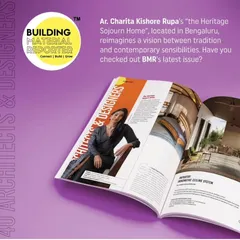
Recognized Work in Leading Design Publications
 9
9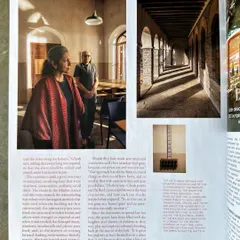
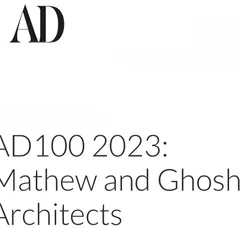
Architectural Features and Industry Recognition
 21
21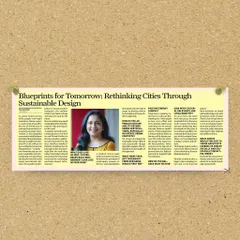
Architectural Awards and Media Recognition
Awards and Features: Our Design Journey
 7
7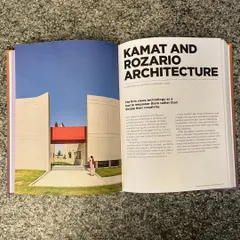
Our Recognition & Design Conversations
More from Adaptive Reuse & Heritage Restoration by Compartment S4
More services by Compartment S4