Understanding Computational Thinking for Kids
Most kids spend their time just dragging blocks on a screen. We do things differently. We teach your child how to think, solve, and create, all without a digital device in sight. 🧠✨
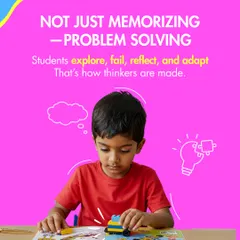
I often talk about the myth that memorizing answers equals learning. The fact is, real learning happens when children understand how to think and solve problems for themselves. My program is built on this principle.
A common myth is that coding isn't for kids. I believe the opposite is true. Starting as early as age 5, children can build strong creativity and problem-solving skills that will serve them for a lifetime.
This graphic addresses a key misconception. Computational thinking isn't just about coding; it's a powerful problem-solving method involving decomposition, pattern recognition, and abstraction that is valuable in any field.
It's a myth that computational thinking is only for computer scientists. It's a fundamental problem-solving approach that helps anyone analyze and solve complex problems, regardless of their background or career path.
I'm inspired by the words of Seymour Papert: "The role of the teacher is to create the conditions for invention rather than provide ready-made knowledge." This is the core of my teaching philosophy. I empower kids to construct knowledge, not just consume it.
John Romero said, "Programming is an extremely creative profession. It's logic-based creativity." I show kids that coding is an art form where they can turn structured thinking and problem-solving into their own unique creations.
Mark Zuckerberg's insight that "Programming is not about the code, it's about the problem" perfectly aligns with my approach. I teach children to become problem solvers first, focusing on understanding the 'why' before the 'how'.
"Everybody should learn to program a computer because it teaches you how to think." This quote from Steve Jobs is the foundation of my work. My goal is to teach thinking skills through the lens of programming.
As Tim Cook says, "Coding is today's language of creativity." I believe all children deserve the chance to become creators, not just consumers of technology, and my workshops are designed to give them that power.
This infographic breaks down the many skills that learning to code teaches. Beyond the technical aspects, it fosters perseverance, critical thinking, storytelling, creativity, and self-confidence.
About The 'Why' Behind Our Method
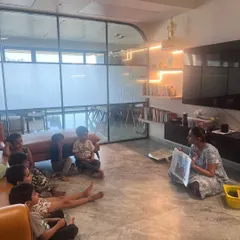
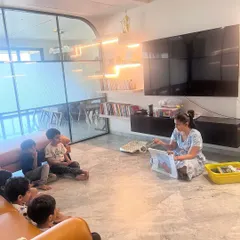
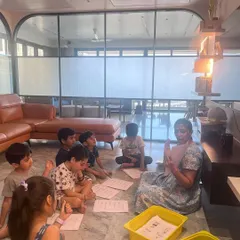
I don't just teach code. I teach how to break down big problems into smaller, solvable pieces using physical floor grids, logic puzzles, and card games. By removing the laptop, we stop kids from mindless clicking and force them to actually build the logic in their heads first, which is the core of computational thinking. 🧩
Why Screen-Free Coding Matters
Many parents assume coding is strictly about syntax, Java, or Python. But at its heart, coding is actually about logic. When children learn to code on a screen, they often focus on moving blocks rather than understanding the sequence. My workshops flip this model. By using analog activities, I force the brain to handle abstraction and pattern recognition without the distraction of a glowing monitor.
The Pillars of Computational Thinking
My curriculum focuses on the four pillars of computational thinking that every child needs for future success:
- Decomposition: Breaking large, scary problems into small, manageable tasks.
- Pattern Recognition: Spotting trends or similarities in different puzzles.
- Abstraction: Focusing on the important information while ignoring the fluff.
- Algorithm Design: Creating a step-by-step path to the solution.
How We Learn
We use tools like floor mats for 'body coding', where kids walk out an algorithm to navigate a maze. We use origami to teach geometric sequences and baking to understand loops and conditional steps. It is messy, loud, and incredibly effective. 🚀
When a child realizes they can 'debug' their own mistake in a floor maze, they develop a level of confidence that simply does not happen with a software tutorial. They stop being passive consumers of technology and become active creators. Whether we are hosting a small session at a local center or a private workshop in your home, the goal remains the same: teach your child to think, not just to click.
Similar work from other experts
Browse through Curated picks from other experts on mytribe
Coding Without Screens: Logic & Robotics for Kids
 14
14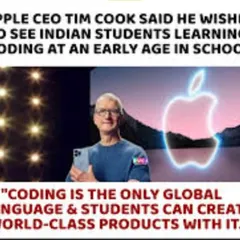
Our Educational Philosophy: Moving Beyond Rote Learning
 11
11
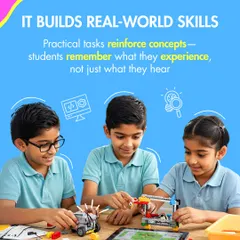
Our Learning Philosophy: Learn by Doing
 38
38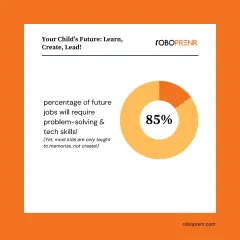
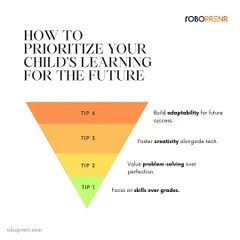
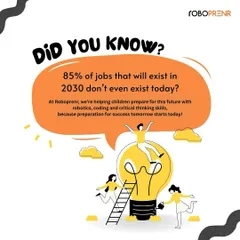
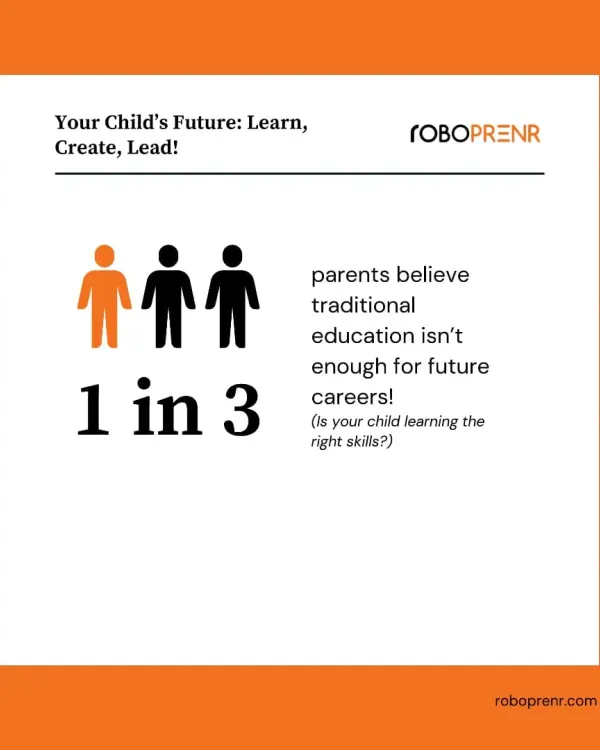
Why Future-Ready Skills Matter for Your Child
Why Coding is a Superpower for Kids
Turning Curiosity Into Real-World Innovation
More from Screen-Free Computational Thinking Workshops by Code-Riite
More services by Code-Riite