Master Climbing Techniques and Grips
Improve your climbing game with better technique. Whether you are finding your footing on your first wall or trying to master a tricky sloper, we are here to help you climb smarter and safer.
Let's talk grips. This image breaks down the difference between a full crimp and a half crimp, two essential techniques for holding onto small edges.
A collage showing various types of holds and grips you'll encounter on our walls. Mastering these is key to becoming a versatile climber.
This is a 'jug' hold. It's big, easy to grab, and perfect for beginners or for taking a rest mid-route to shake out your arms.
Meet the 'sloper'. This hold has no distinct edge, so you have to rely on an open hand and good body position to use it effectively.
The 'pinch' grip is great for building finger and thumb strength. You generate power by squeezing the hold between your thumb and fingers.
This is a 'mono pocket', a hold that only fits one finger. It requires precision and control, so be sure to build up strength before using them heavily.
About Climbing Techniques & Tips
Ever wonder why you are slipping off a hold? It is often about your body position and grip technique, not just finger strength. At our gym, we do not just point you to a wall; we help you understand the physics behind every hold, from friendly jugs that let you rest, to technical slopers that require perfect balance.
How to Approach Different Holds
Climbing is a puzzle. Every wall has different types of holds that force you to move your body in specific ways. Understanding how to use them is the fastest way to get better.
- The Jug: These are big, comfortable holds. They are perfect for beginners or for taking a breather mid-route to shake out your arms. Focus on a full hand grip.
- The Sloper: These have no edges, just friction. Do not try to squeeze them like a handle. Keep an open hand and focus on your body position. Your feet are your best friend here.
- The Pinch: Great for building thumb and finger strength. Squeeze the hold between your thumb and fingers to generate power.
- The Crimp: These are small edges. Be careful with these. A 'full crimp' puts more strain on your tendons, so use it sparingly. A 'half crimp' is generally safer for beginners.
Why Technique Matters
Many climbers rely solely on muscle, which leads to early fatigue. We teach you to use your legs to push your body weight, rather than pulling with your arms. This simple shift helps you stay on the wall longer and climb harder grades without extra effort.
Join Our Coaching Sessions
If you want to move from basics to lead climbing, join our Progressive Series coaching. We don't just teach you the moves; we help you build the mental and physical confidence to 'send it' on any route. Our floor crew is always around to spot you, give you feedback on your footwork, or help you figure out a specific sequence. Come by, grab some chalk, and let’s get climbing.
Similar work from other experts
Browse through Curated picks from other experts on mytribe
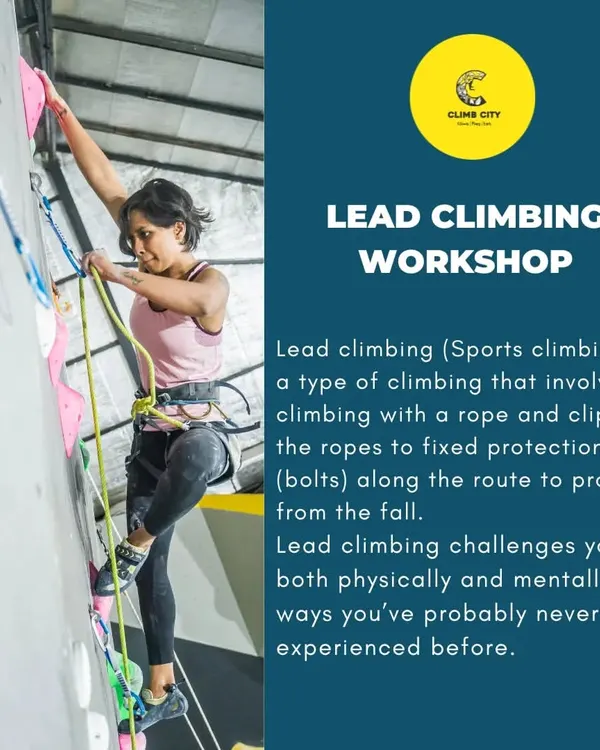 6
6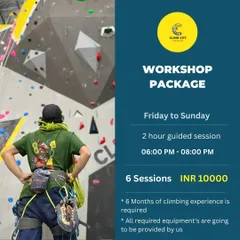
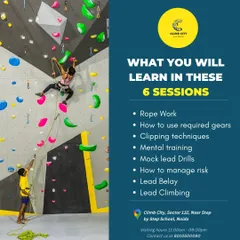
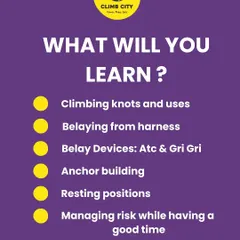
Expert Climbing Workshops in Noida
Indoor Bouldering Sessions at Delhi Rock
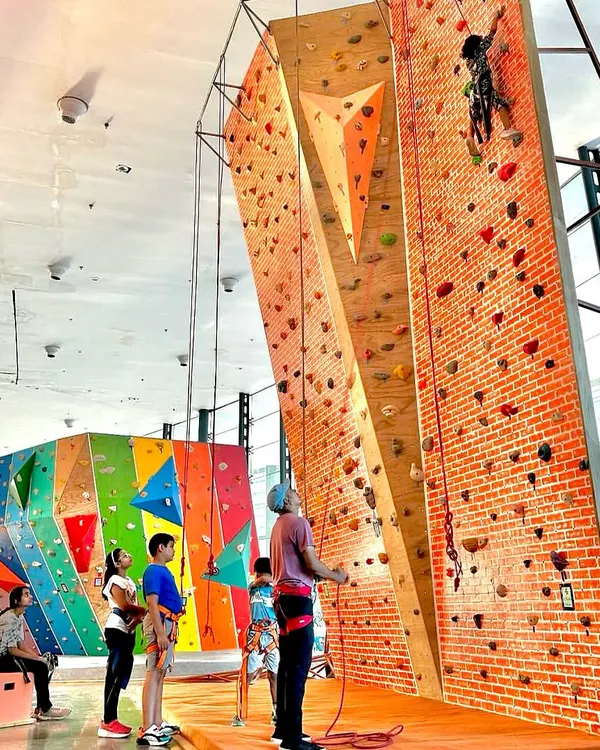 8
8
Indoor Rock Climbing and Bouldering in South Delhi
Corde Lisse & Aerial Straps Training in New Delhi
Aerial Silks: Fundamental Climbs, Wraps, and Drops
Gymnastics & Bodyweight Mastery
More from Climbing Gym Access & Memberships by Climb Central
More services by Climb Central