Reading Tips and Reflection Guides for Kids
Reading is more than just turning pages. Whether your child is a toddler or a teen, these simple prompts turn every storytime into a deeper, more imaginative conversation.
The first benefit of reading: Sharper Thinking. Reading is a powerful mental workout that trains the brain to focus, analyze, and solve problems, making it a far more enriching activity than endless scrolling.
The third benefit of reading: Deeper Empathy. Stories are a gateway to understanding different people, cultures, and emotions, allowing children to live a thousand lives and develop a more compassionate worldview.
The second benefit of reading: Stronger Imagination. Books have the unique power to turn words into worlds, sparking a level of creativity and imagination that screens often cannot.
The fourth benefit of reading: Knowledge That Stays. Unlike a fleeting social media post, the ideas, facts, and perspectives gained from a book leave a lasting impact that stays with you for years.
Here are some 'Before Reading' prompts for kids to engage with a book's cover. Asking questions like "I see..." or "I wonder..." helps build curiosity and predictive skills before they even turn the first page.
This 'After Reading' checklist helps children reflect on what they've read. Prompts like suggesting a new title or thinking of a question for the author encourage critical thinking and deeper comprehension.
A useful 'During Reading' guide to help young readers stay engaged. It encourages them to think about the characters, predict what might happen next, and use their senses to imagine themselves inside the story.
This is the cover of my 'Reading Reflection' guide for kids under 12. It's filled with prompts and questions to help them think more deeply about the books they read.
A 'Reading Reflection' guide specifically designed for kids under 8 years old. The prompts are tailored to their developmental stage to make reflection fun and accessible.
'During Reading' prompts for children under 8. Questions like "What does it smell like?" or "What do you think will happen next?" help them connect with the story on a sensory and imaginative level.
About Reading Tips & Inspiration
Before you dive into the next book, try a 'picture walk' with your toddler or ask your teen about the characters’ motivations. These aren't just reading exercises; they are small, consistent habits that train the brain to focus and build deep empathy. I share these specific prompts because I have seen how they transform a child’s relationship with stories from passive listening to active engagement.
How to Get More Out of Every Book
Reading is a journey, not a race. When I guide parents, I suggest breaking the experience into three distinct stages: Before, During, and After. This approach works whether you are reading to a preschooler or helping a teen analyze their latest chapter book.
1. Before Reading: Build Anticipation
Don't just open to page one. Take a 'picture walk' through the book first. Look at the cover, observe the illustrations, and ask questions like, 'What do you see?' or 'What do you wonder about this character?' This builds curiosity and gives your child a roadmap before the story begins.
2. During Reading: Stay Present
For younger kids, use sensory prompts. Ask them to describe what a character might smell, hear, or feel in a certain setting. For older children, focus on character motivations. Ask, 'Why do you think they did that?' or 'What would you do differently?' This active engagement makes the story come alive and improves retention.
3. After Reading: Reflect and Connect
This is where the magic of empathy happens. Don't just close the book. Ask your child to suggest a new title for the story, or to narrate a scene from a different character's point of view. It forces them to process the themes and think critically about the narrative structure.
If you find yourself stuck, feel free to reach out. I help parents find the right books for every age and stage, and I am always happy to share recommendations from our library of 40,000+ titles.
Similar work from other experts
Browse through Curated picks from other experts on mytribe
 45
45
A Parent’s Guide to Building a Lifelong Reading Habit
Handpicked Book Recommendations for Your Child
 35
35

From Our Shelves: Kids Book Recommendations & Reading Tips
 13
13
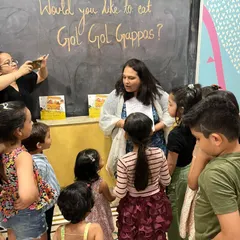
Interactive Storytelling Sessions That Bring Books to Life
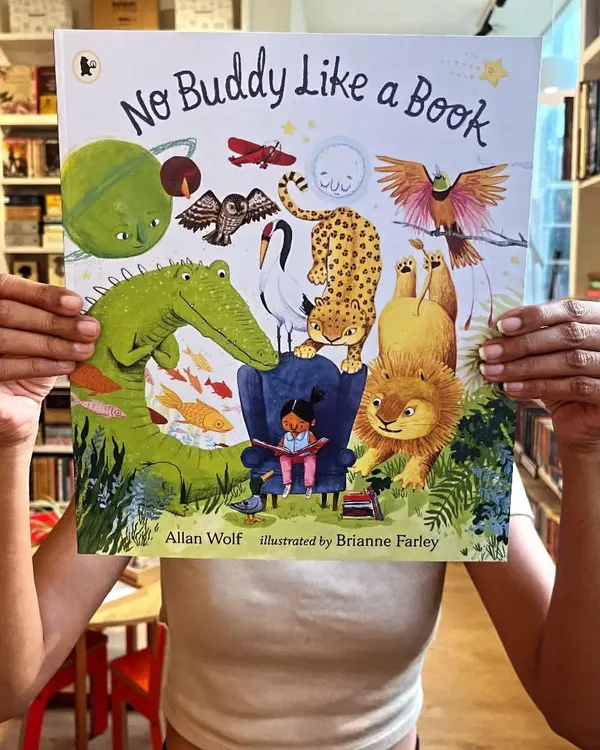 18
18
Explore Our Children’s Bookshelf
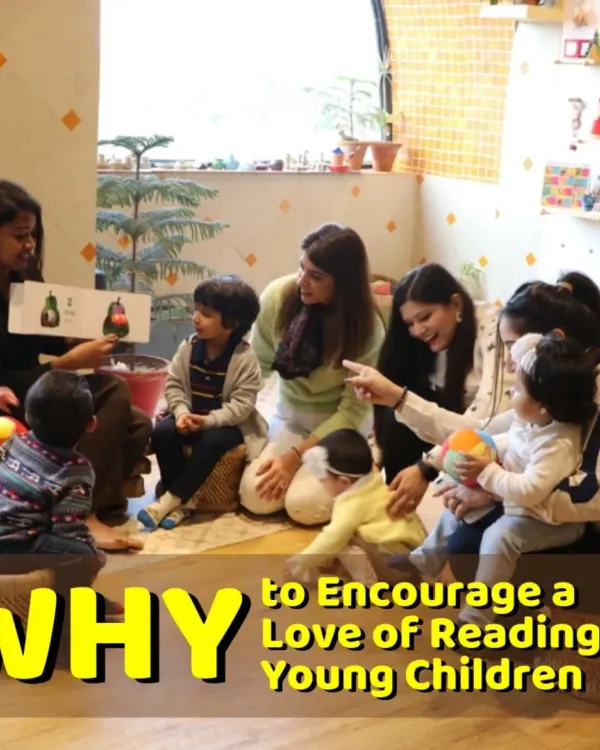 20
20
Storytelling & Reading Corner
More from Children's Storytelling & Writing Workshops by Bukmuk
More services by Bukmuk