3D Design & Spatial Thinking Classes in HSR Layout
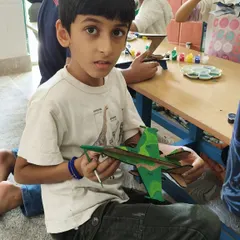
Moving beyond 2D paper to build 3D structures. We teach students how to think spatially, using cardboard and paper to construct models, an essential skill for design entrance exams or creative hobbyists.
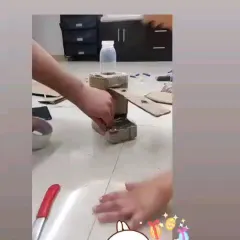
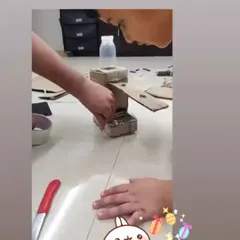
From cardboard sculptures to paper mache, this video shows students experimenting with 3D forms. These hands-on projects are a fun and effective way to learn about structure and construction.
This intricate paper sculpture was created during our summer camp. The student learned about paper engineering and form to create this beautiful, three-dimensional flower arrangement.
About 3D Design & Spatial Thinking
When you are preparing for a design portfolio, 3D structures show you can think beyond the surface. We start with simple cardboard and paper modeling to help you understand form, volume, and balance before moving to more complex spatial problems. This is not just about glue and cutouts; it is about seeing how a flat sheet becomes a tangible, standing object.
Why focus on spatial thinking?
Whether you are aiming for NID, NIFT, or UCEED, design entrance exams test your ability to visualize objects in three dimensions. Sketching is vital, but understanding how things are constructed in physical space is what separates a good design from a great one. At our HSR Layout studio, we do not just lecture; we build. Using accessible materials like cardboard and paper, we explore fundamental concepts that improve your creative output:
- Foundational Geometry: Learning to manipulate materials to create stable, proportionate forms.
- Advanced Application: Translating complex visual ideas into 3D models to see how light, shadow, and structure interact.
- Logical Problem Solving: Developing the structural logic required to tackle spatial aptitude questions in design entrance exams.
It gets messy, but that is where the learning happens. By physically handling the material, you learn to 'see' the object, not just draw it. This hands-on practice builds the spatial reasoning required for architecture, product design, and interior design portfolios. We guide you through the process, helping you translate what is in your head into something you can hold in your hands. 🎨✨
Similar work from other experts
Browse through Curated picks from other experts on mytribe
 34
34
Woodworking Workshops for Design & Architecture Students
 13
13
Building and Engineering Activities for Kids
 11
11
Creative Art Development: 2D Design, Portraits & Sketching
 5
5
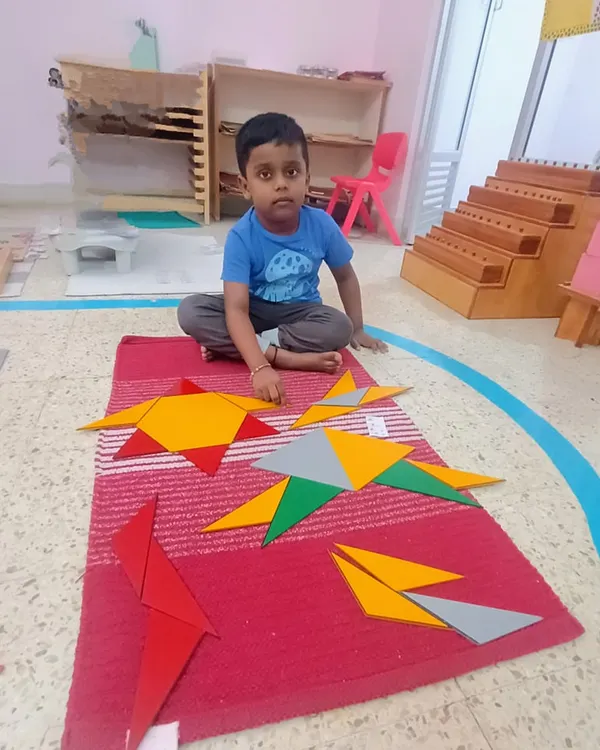
Geometry and Spatial Awareness in Montessori
 7
7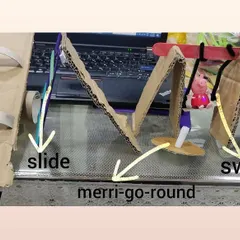
Creative Building & STEM Projects for Kids
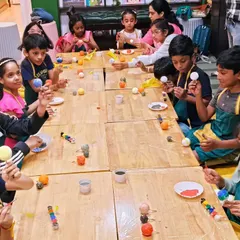
Build & Paint 3D Model Workshops for Kids in Bengaluru
More from Design College Portfolio Preparation by BrainArt Studio
More services by BrainArt Studio