Your Zero-Stress Trek Guide: Essential Tips for Himalayan Treks
Stop overthinking your gear. I have broken down exactly what you need for a comfortable Himalayan escape, so you can focus on the mountains, not your luggage.
Trekking shoes are a must for safety and comfort. This guide explains why they are essential for providing grip, support, and durability on rugged terrains.
Trekking sticks are highly recommended. They provide balance on uneven terrain, reduce strain on your knees, and improve endurance.
A polyfill padded jacket is your best friend in the cold. This guide explains its benefits, including insulation, lightweight design, and water resistance.
Why are trekking pants important? They offer freedom of movement, durability, and comfort, and are made from quick-drying, water-resistant fabrics.
A basic medical kit is essential for any trek. This guide lists the must-have items for treating minor injuries and managing emergencies.
Here are the answers to the 6 most frequently asked questions about winter trekking essentials, to help you pack smart.
Foodie guide! If you visit Manali, you must try the hummus and pita at Lazy Dog Lounge. I'll show you the best spots.
When in Sangla, trying the local delicacy Siddu at Saryu's Cafe is a must. It's part of the cultural experience.
In Mcleodganj, don't miss the Thukpa and cheesecake at Kalsang Cafe. The views from the cafe are as good as the food.
What level of fitness is required for winter treks? This FAQ provides guidance on the cardio and strength training needed to prepare.
About Your Zero-Stress Trek Guide
The biggest mistake most trekkers make is overpacking heavy, unnecessary gear that just tires them out on the ascent. I have refined a packing list over the last six years that prioritizes layering and moisture-wicking fabrics, the kind that keeps you dry and light even when the weather turns unpredictable at 8,000 feet.
Packing Smart for the Mountains
You do not need a massive suitcase to survive a trek. The secret is the system. Here is how I set up my tribe for success:
- Footwear: Your boots are your lifeline. Never carry brand-new shoes. Break them in before the trip to avoid blisters. Look for waterproof ankle support with deep lugs for grip.
- The Layering System: Do not just carry one heavy jacket. Use a base layer to wick sweat, a fleece for insulation, and a water-resistant outer shell. This lets you adjust quickly when you start heating up during the climb.
- The 'Must-Haves': Trekking poles are not just for the pros. They save your knees on the descent and provide stability on slippery trails. Always carry a basic medical kit with blister plasters, electrolytes, and personal meds.
Frequently Asked Questions
Do I need elite fitness? Moderate fitness is enough for most weekend treks like Nag Tibba or Chopta. Start walking 30 minutes a day and adding some light cardio a few weeks before we leave. You will be fine.
Is there electricity? High-altitude camping means no guaranteed power. Do not rely on finding charging points. Carry a fully charged power bank. Solar chargers can work, but do not count on them during cloudy weather.
What about the cold? We provide sleeping bags rated for freezing temperatures, but your personal gear matters. Pack woolen socks, a good beanie, and thermal inners. Keep these in your daypack, not the main bag, so you can grab them the moment the sun dips behind the peaks.
Similar work from other experts
Browse through Curated picks from other experts on mytribe
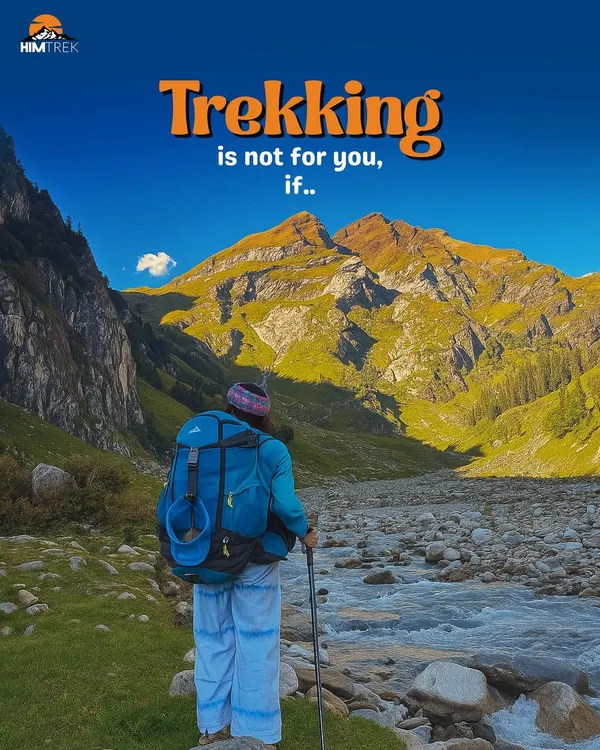 41
41
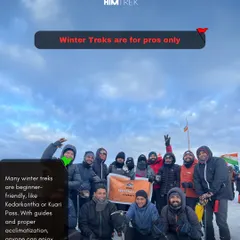
Trekker's Handbook: Expert Guides for Himalayan Treks
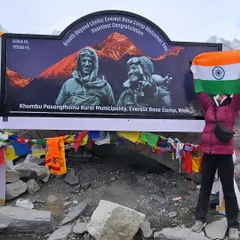
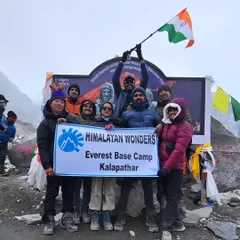
Everest Base Camp: Your Guided Himalayan Expedition
High-Altitude Trekking & Mountaineering Preparation
Sawal Aapka, Jawab Hamara: Kedarnath Yatra Planning Guide
 40
40


Vacation & Travel Outfits: Style Your Next Trip



Resort & Vacation Style: Pack Light and Look Radiant
More from Trekking & Hiking by Aquilla Hikes
More services by Aquilla Hikes