Safe Mole and Skin Tag Removal
Stop using risky DIY methods on your skin. I use medical-grade radiofrequency and surgical techniques to remove moles, skin tags, and cysts safely, ensuring clear, healthy results without the drama.
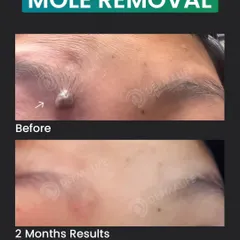
Here you can see the radiofrequency (RF) technique in action for a mole removal. This method is precise and gentle, using energy to vaporize the lesion with minimal impact on the surrounding skin, which is key to preventing scars.
This video demonstrates a typical skin tag removal procedure. Many patients find these irritating, and I can remove them quickly and safely. Notice how the RF tool cleanly removes the tag with no bleeding, making the healing process straightforward.
This split-screen video showcases the clear difference after mole removal procedures. Whether it's a single mole or multiple lesions, the goal is to restore the skin's natural appearance effectively and safely.
About Mole & Skin Tag Removal
If you are worried about scarring, let’s talk about the radiofrequency (RF) technique. Unlike traditional surgical cutting or DIY home remedies that can lead to infections, RF allows me to vaporize the lesion layer by layer. This precision means we avoid damage to the healthy surrounding skin and significantly reduce the chance of marks left behind. You walk out with a tiny dressing, and the skin heals itself cleanly.
Why Professional Removal Matters
Many patients come to my clinic in Sector 46 only after trying home remedies—like applying mustard or coconut oil—which often make fungal infections or skin tags worse. Skin is not for experiments. Whether it is a stubborn corn, a painful cyst, or a cosmetic mole, you need an assessment to ensure the lesion is benign before we do anything.
My Approach to Lesion Removal
Depending on the depth and type of your skin spot, I choose the safest method:
- Radiofrequency (RF) Ablation: This is my go-to for skin tags, warts, and superficial moles. It is fast, nearly painless, and provides excellent cosmetic results with minimal downtime.
- Surgical Excision: For deep-seated cysts or corns, I use a minor surgical procedure. This ensures we remove the entire sac or root, which is critical to preventing recurrence. Yes, this involves fine sutures, but I use cosmetic-grade thread to minimize any potential scarring.
The Process
- Assessment: We start by identifying the lesion. If there is any doubt about its nature, we rule out malignancy first.
- Anesthesia: We use strong numbing cream or local injection anesthesia so you feel absolutely nothing during the procedure.
- Removal: I remove the lesion and dress the area.
- Aftercare: I provide specific instructions on how to keep the area dry and protected for 2 to 3 days. Follow this, and the healing process is usually straightforward.
If you have a spot that has been bugging you for years, let’s fix it the right way.
Similar work from other experts
Browse through Curated picks from other experts on mytribe
Safe & Precise Mole, Wart, and Skin Tag Removal
Mole and Skin Tag Removal in Delhi
Painless Skin Tag and Mole Removal Procedures
Safe Mole & Skin Tag Removal
Expert Skin Growth Removal in Gurugram
Safe Mole, Wart & Skin Tag Removal
More from Skin Lesion Removal by Hemma Yadav