Natural Hair Transplant Results and Precision Procedures
A hair transplant shouldn't look like a surgery. My focus is on precision and natural growth patterns, whether we're restoring your scalp or filling in facial hair.
Nothing is more rewarding than a patient's positive feedback. He had a bad experience with a transplant before, so ensuring he found my procedure painless with great follow-up and results was my primary goal. This is the standard of care I provide to everyone.
This collage breaks down the beard transplant process. You can see the 'before' state with sparse growth, the 'marking' phase where I outline the new beard shape, and the 'after surgery' result showing a full, well-defined beard. It’s a transformative procedure.
For many men, a full mustache is an important feature. This before-and-after comparison demonstrates how a mustache transplant can fill in gaps and create a much thicker, more prominent look. The results are completely natural and grow just like your own hair.
This video shows the intricate work of a Direct Hair Implantation (DHI) technique. I am personally involved in the procedure, ensuring each hair follicle is placed with precision to match the natural growth pattern of your hair for the best possible density and coverage.
About Hair Transplant Results
Everyone asks if a transplant will look fake. The reality is that artificial-looking results happen when the angulation and graft selection are wrong. My focus is on matching the precise growth pattern of your hair—whether it is a frontal hairline or a patch in your beard—so the result is seamless and mimics how your hair naturally grew before it started thinning.
Precision Over Quantity
I don't believe in the 'more is better' approach. A successful transplant is about density, yes, but it is also about artistry. Whether I am using the DHI (Direct Hair Implantation) pen for high-density areas or standard FUE for larger coverage, the goal is the same: creating a hairline that looks like it has always been there.
My Approach to Transplants
- Diagnosis First: Before we ever talk about grafts, I look at the 'why'. Is it stress? PCOD? Thyroid? If we don't fix the underlying cause of your hair loss, the transplant might be a temporary fix. I often combine transplant procedures with PRP or GFC therapy to boost overall scalp health.
- The Technique: I use local anesthesia, meaning you are awake but comfortable. For beards and mustaches, I select fine, single-hair grafts. Facial hair grows at a very specific, acute angle compared to scalp hair; if you plant it straight, it looks wiry. I map the growth to ensure it lays flat and follows your natural facial contours.
- Pain Management: I have heard horror stories about painful surgeries. That is why I use specialized facial nerve blocks for facial procedures and gentle handling techniques for scalp extractions.
What to Expect Post-Procedure
My involvement doesn't end when the surgery finishes. You will need to follow strict protocols for the first few days—no heavy exertion, and specific care for the donor and recipient areas. I provide the saline spray and aftercare instructions you need to ensure the grafts take hold. The results take time, but my goal is to give you a result that is permanent, natural, and low-maintenance.
Similar work from other experts
Browse through Curated picks from other experts on mytribe
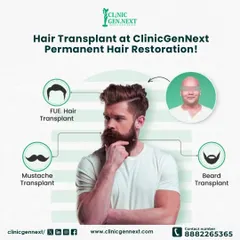

Specialized Hair Transplants: Beard, Moustache & Scarring Alopecia
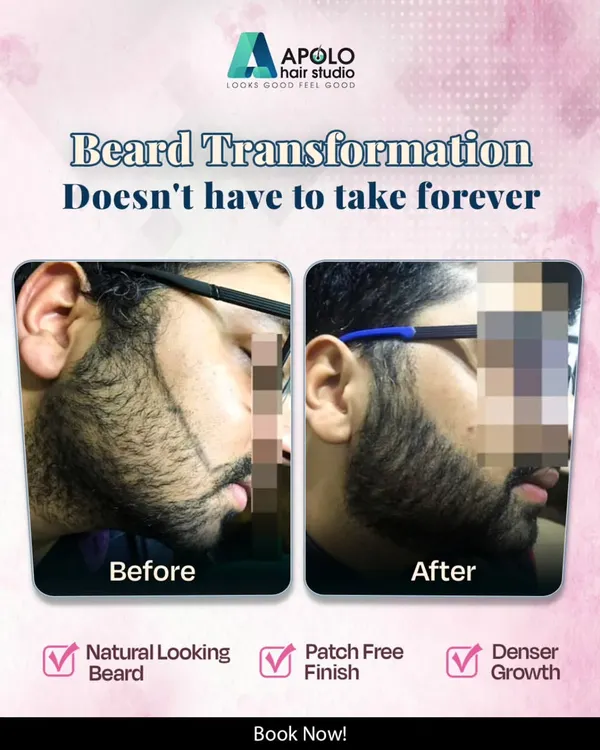 4
4
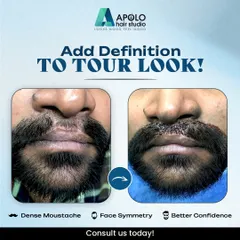
Permanent Beard and Moustache Transplants in Noida
Natural Results for Beard and Eyebrow Restorations
Natural-Looking Hair Transplant Results in Delhi
FUE Hair Transplant for Permanent, Natural Results
Beard Transplant Transformations: Get a Full, Natural Look
More from Hair Restoration & Treatment by Hemma Yadav