Capturing Intimate Wildlife Moments
Wildlife photography is not about speed, but about patience. These portraits of mothers and their young across Bera and Madagascar reflect the tender connections found in nature when you wait for the right moment.
A beautiful family portrait of leopards in Bera, India. A cub affectionately greets the male while the female relaxes nearby. It is a rare privilege to witness such a peaceful, intimate scene.
A family of ring-tailed lemurs emerges from the forest shadows in Madagascar. The backlighting beautifully highlights their forms and famous striped tails, creating a sense of mystery and discovery.
A ring-tailed lemur with its distinctive tail, backlit by the morning sun. Another lemur is visible in the background, giving a sense of the social nature of these fascinating primates.
About Intimate Moments: Mothers & Young
When photographing families, the biggest mistake is rushing for the 'perfect' portrait. I teach my groups to look for the 'Palat' moment—that specific glance when an animal looks back or engages with its young. Whether we are tracking leopards in Bera or observing lemurs, we position ourselves early, cut the engine, and wait. It is about letting the subjects get comfortable with our presence so the bond, not just the animal, becomes the center of your frame.
Capturing the connection between a mother and her young demands a different mindset than tracking predators. You cannot chase these shots. In my Bera leopard expeditions, we spend hours watching from a distance, understanding the leopardess's movement patterns before we even lift a camera. My approach involves using prime lenses and wide apertures to isolate the subject from the background, ensuring the focus remains on the family bond.
During our Arctic expeditions or Indian tiger safaris, I emphasize 'environmental portraiture.' This means we do not just crop in tight. We use wide angles to show the mother and cub within their specific ecosystem—the ice of Svalbard or the dry forest of Madhya Pradesh. This provides context to the struggle and the beauty of raising young in the wild.
Technical Tips for Wildlife Families
- Prioritize Eye Contact: If the mother and cub are not looking at each other, wait. The story is in the interaction, not the fur.
- Backlighting: As I often say, backlight is best light. Using the sun to create a rim light around a cub adds depth and emotion to the image.
- Respectful Distance: We never crowd. Using 400mm+ lenses allows us to maintain a safe distance, which results in natural behavior rather than stressed animals.
Whether you are joining me for a Tiger Masterclass in Bandhavgarh or a polar bear excursion in the Arctic, the goal is the same. We are not just taking pictures; we are documenting a fragile aspect of nature that deserves our protection.
Similar work from other experts
Browse through Curated picks from other experts on mytribe
 45
45
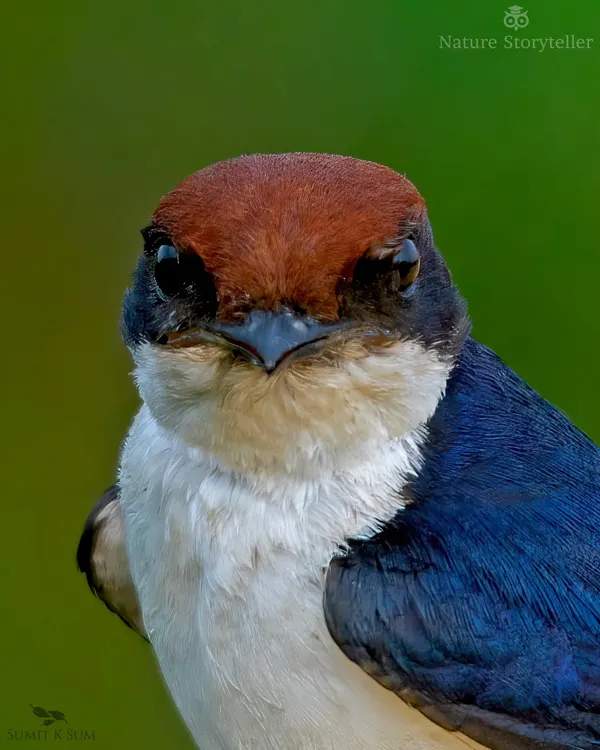
Authentic Wildlife Bird Portraits
 8
8
Animal Kingdom Portraits
 8
8
Wildlife Photography Expeditions and Guided Photo Tours
 19
19
Creative Wildlife Photography: Mastering Light and Mood
 8
8
Featured Wildlife Stories and Nature Photography
 15
15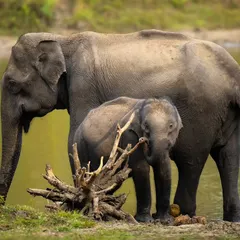
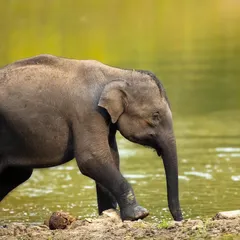
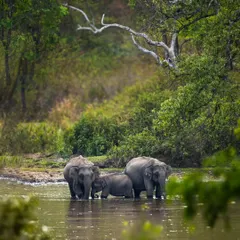
Asiatic Elephant Photography: Habitat Prints & Rare Moments
More from Guided Wildlife Photography Tours by Yashpal Rathore
More services by Yashpal Rathore