Decoding Attachment Styles and Attraction Patterns
Ever feel like you're caught in a loop of the same relationship mistakes? You're not alone, and it's not bad luck. It's science. Let's look at how your attachment style and subconscious patterns shape who you attract, and how to start rewriting your own love story.
**Your partner's attachment style isn't their personality; it's a survival mechanism from childhood.** Whether they are secure, anxious, avoidant, or disorganized, their behavior in relationships is often a response to how they received care early in life. The good news is that attachment styles can change with conscious effort, therapy, and coaching.
**Your attachment style is either attracting or repelling your soulmate.** Anxiously attached people often crave closeness but fear abandonment, while avoidant individuals value independence over intimacy. Understanding your style, and how it interacts with others, is the first step toward breaking unhealthy cycles and developing a more secure attachment.
**Brilliant people can make irrational relationship choices because our emotional brain operates independently from our logical brain.** Your choices are driven by an "attachment blueprint" formed in childhood. If chaos felt familiar, you might be drawn to it. Healing isn't about being smarter; it's about rewiring this emotional programming.
**Neuroscience shows your brain can be wired to confuse trauma with chemistry.** That "spark" or "butterflies" you feel might actually be your nervous system on high alert, signaling danger, not love. Healthy, secure love often feels calm and steady. It's your nervous system recognizing safety, which can feel boring at first if you're used to chaos.
**Here's why you always fall for the emotionally unavailable: it's the anxious-avoidant trap.** If you have an anxious attachment style, you crave closeness, which triggers an avoidant partner's need for space. Their distance makes you pursue, and your pursuit makes them retreat. This push-pull feels like chemistry, but it's your attachment system recreating familiar wounds.
**Here is why you keep attracting the wrong people.** It's not you; it's your programming. You're not attracted to what's good for you, but what feels familiar (the familiarity trap). You see potential instead of reality (the projection problem). Your subconscious is running a program you didn't even install, but you can overwrite it.
**Here is why you keep attracting the wrong people.** It's not you; it's your programming. You're not attracted to what's good for you, but what feels familiar (the familiarity trap). You see potential instead of reality (the projection problem). Your subconscious is running a program you didn't even install, but you can overwrite it.
**Here is why you keep attracting the wrong people.** It's not you; it's your programming. You're not attracted to what's good for you, but what feels familiar (the familiarity trap). You see potential instead of reality (the projection problem). Your subconscious is running a program you didn't even install, but you can overwrite it.
**Here is why you keep attracting the wrong people.** It's not you; it's your programming. You're not attracted to what's good for you, but what feels familiar (the familiarity trap). You see potential instead of reality (the projection problem). Your subconscious is running a program you didn't even install, but you can overwrite it.
**Here is why you keep attracting the wrong people.** It's not you; it's your programming. You're not attracted to what's good for you, but what feels familiar (the familiarity trap). You see potential instead of reality (the projection problem). Your subconscious is running a program you didn't even install, but you can overwrite it.
About Decoding Attraction & Attachment
You aren't bad at love. You are likely running a piece of code installed during childhood that is trying to keep you safe, but it is actually keeping you stuck. Whether you feel trapped in the anxious-avoidant push-pull or you keep dating the same type with a different face, this is not about blaming yourself. It is about recognizing these patterns so you can finally stop reacting to them and start choosing relationships that actually make you feel secure, not just seen.
Why You Keep Attracting the Same Patterns
Attraction is rarely random. It is often a replay of your earliest relationship dynamics. What we call "chemistry" is frequently just our nervous system recognizing a familiar wound. If you grew up in an environment where love was conditional or inconsistent, your brain learned to associate that chaos with safety. When you meet someone new who offers stability, your system might perceive it as "boring" simply because it is unfamiliar.
The Anxious-Avoidant Trap
Many of my clients come to me exhausted by the same cycle: you crave closeness, they crave space. You pursue, they withdraw. You feel anxious, they feel suffocated. This cycle feels intense and passionate, but it is actually your attachment systems colliding. The good news? You can shift from an anxious or avoidant style to a secure one. It requires:
- Nervous System Regulation: Learning that safety should feel calm, not like a rollercoaster of highs and lows.
- Shadow Work: Identifying the childhood blueprint that tells you what you deserve.
- Radical Responsibility: Owning your role in the dynamic without falling into a blame game.
Real Change Takes Time
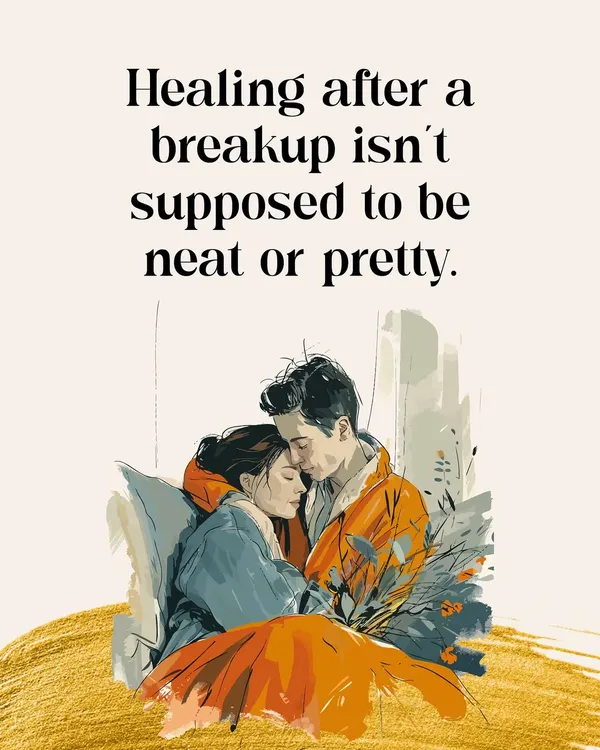
We don't do quick fixes. Whether you are dealing with heartbreak, trying to stop the cycle of emotionally unavailable partners, or learning to set better boundaries, the process is about rewiring your emotional brain. You have to be ready to get honest with yourself. If you are tired of wondering why you can't seem to make it work, it is time to look at the programming beneath the surface.
Similar work from other experts
Browse through Curated picks from other experts on mytribe

My Coaching Approach: The Inner Work for Lasting Relationships
 19
19
The Healing Journey: From Heartbreak to Hope
Understanding Karma & Relationships
Love & Soulmate Tarot Readings
Get Real Clarity on Your Love Life & Partnerships
Love and Relationship Tarot Readings
More from Individual Relationship Coaching by Ayushi Mathur Dua
More services by Ayushi Mathur Dua