Tennis Mindset and Motivation Training in Mumbai
Tennis is eighty percent mental. I do not just teach the swing; I teach the mindset you need to stay focused, cool, and competitive on the court.
Your mind is your greatest asset on the court. I often use reverse psychology with my players, telling them to try and hit the ball out. This mental trick often helps them relax, trust their technique, and hit deep, powerful shots because their mind instinctively knows the right way to play.
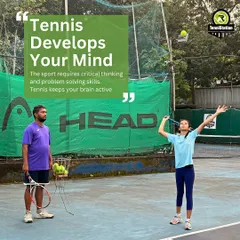
Enrolling children in sports is about more than just physical fitness. It builds confidence, teaches emotional management, and instills a discipline that they will carry with them for the rest of their lives. Here, I am working with one of our youngest players on her basic form.
A key part of our coaching is teaching young players how to handle both wins and losses. Sports teaches you to accept defeat, get back up, and try again. This resilience is one of the most important life skills we build at the academy.
The relationship between a coach and a player is built on trust and communication. I believe in creating a positive environment where students feel understood and motivated. Here, I'm discussing technique with a young player during a training session.
A good coach instills discipline, dedication, and a strong work ethic. Here, one of our experienced coaches, Raghunath Gupta, works with our junior players, focusing on the fundamental skills that are crucial for their long-term development.
About Mindset & Motivation
Ever find yourself hitting the ball out, even when you know the technique? I often use a simple mental trick where I tell my players to deliberately try and hit the ball out. It sounds counterintuitive, but your brain knows the rules better than your panicked body, and it usually forces your body to execute the shot correctly just to prove you wrong.
Tennis is eighty percent mental. It is one thing to have a perfect forehand, but it is another to use it when the score is tight and the pressure is on. I see too many talented juniors get stiff or lose their focus because they are overthinking. My training focuses on clearing that noise.
We spend time on the court talking through situations that do not show up in a standard manual. How do you handle a loss? What do you say to yourself after a bad point? I teach my students to treat the mental game with the same intensity as their footwork. When we do drills, it is not just about moving your feet. It is about staying present, managing your emotions, and keeping that competitive drive, whether you are just starting out at our Willingdon Catholic Gymkhana academy in Santacruz or preparing for a tournament at our Don Bosco facility in Matunga.
The goal is not just to win a game, but to build a foundation of discipline that sticks. You have to want to improve even when I am not watching. That is the difference between a casual player and a serious athlete. If you are ready to stop just hitting balls and start playing the game, we should talk. We keep the environment fun, but you will work for that 'phatka' (powerful whack).
Similar work from other experts
Browse through Curated picks from other experts on mytribe
 15
15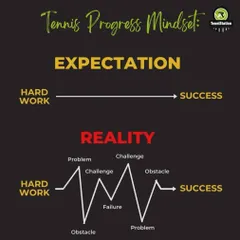

Mental Toughness & Life Skills Training
Unstoppable Tennis Training, Fitness and Mental Coaching
Athlete Mindset and Mental Toughness Training
Cricket Mindset Training for Serious Players
 10
10

Master Your Tennis Technique at PDP
Tennis Coaching Philosophy and Expert Mentorship
More from Junior Tennis Programs (Kids & Teens) by Tennace Academy
More services by Tennace Academy