Understanding Hair Loss & Post-Op Care
Hair loss isn't just one thing. Whether it’s monsoon-related thinning, hormonal changes, or recovering after a transplant, knowing the actual cause is the first step. Let's break down what's happening and how to manage it.
September is Alopecia Awareness Month. This post defines Alopecia, which is the medical term for hair loss and can affect any part of the body.
There are many types of alopecia. This graphic explains the differences between conditions like Androgenetic Alopecia, Alopecia Areata, and Telogen Effluvium.
It's important to know that Alopecia Areata can often be reversed. With advanced treatments, we can help you on your journey back to hair health.
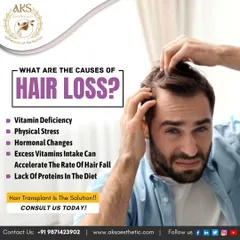
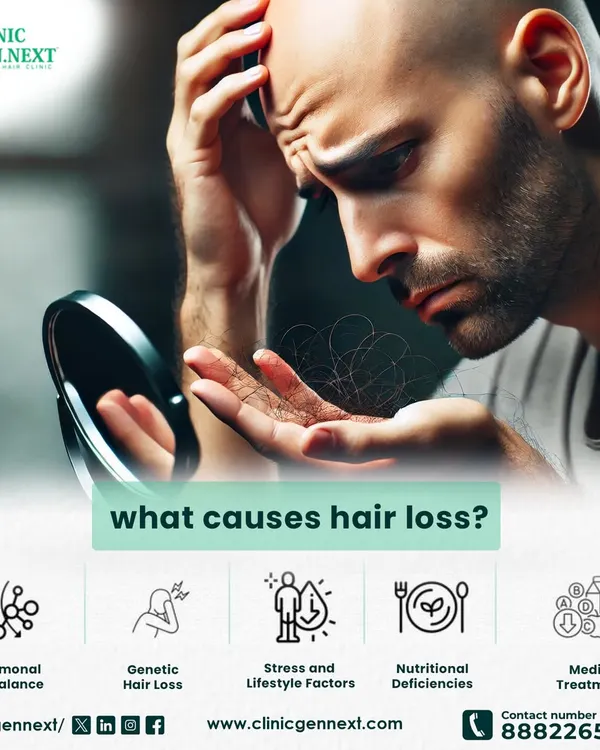
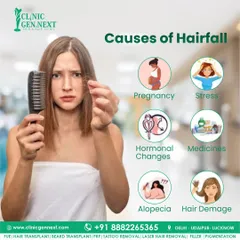
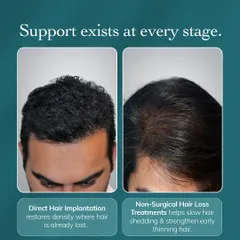
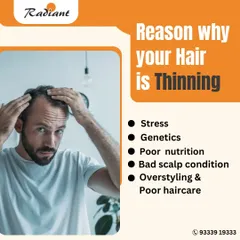
Hair loss can be caused by many factors, including genetics, stress, poor nutrition, and hormonal changes. Identifying the cause is key to finding the right treatment.
For PCOS Awareness Month, this graphic explains how the condition can cause hair loss and provides tips on how to manage it, such as maintaining a healthy diet and consulting a specialist.
This carousel explains the 5 main reasons why hair fall increases during the monsoon season.
Rainwater can damage hair quality, making it more prone to breakage and fall during the monsoon.
High humidity during monsoon weakens hair roots, leading to increased hair fall.
Moisture on the scalp during the rainy season can lead to fungal infections and dandruff, which contribute to hair loss.
A poor diet lacking essential nutrients can significantly lower your hair's strength, especially during stressful seasons like monsoon.
About Understanding Hair Loss & Post-Op Care
If you are recovering from a transplant or just starting to notice thinning, the biggest mistake is ignoring the basics. Post-op, your scalp is in a fragile state; simple things like avoiding direct sun exposure and ditching hats for the first few weeks are non-negotiable. Similarly, if your hair loss seems seasonal or linked to stress, don't rush to buy expensive serums. We first need to check if it's nutritional, hormonal, or structural, because treating the wrong condition will never give you the results you want.
Why Your Hair Needs a Tailored Approach
Many patients walk into my clinic in Green Park with bottles of random supplements they started taking based on online advice. The reality? You might have Androgenetic Alopecia, or your hair fall could be Telogen Effluvium triggered by stress or a recent illness. Treating the wrong condition is a waste of time and money.
The Monsoon Factor & Seasonal Shedding
Yes, monsoon humidity causes real damage. Moisture on the scalp creates the perfect environment for fungal infections, and rainwater pollutants can weaken the hair shaft, leading to breakage. If you notice increased hair fall during the rainy season, you don't necessarily need surgery; you likely need a refined scalp hygiene routine and perhaps nutritional support.
Post-Transplant: The Crucial Recovery Phase
The surgery is only half the battle. The other half is how you treat your scalp for the next 15 days.
- Sun & Sweat: Your scalp is hypersensitive. Sun exposure can cause uneven pigment, while sweat can introduce bacteria to healing micro-punches.
- Washing: Do not scrub. Use only the gentle cleansers recommended. A wrong hand movement can dislodge grafts that are still settling.
- Hats & Helmets: Avoid them entirely during the initial recovery period. Pressure causes damage to the graft bed.
If you have had a failed transplant elsewhere, my approach is different. We have to assess the donor area carefully, see how much reserve you have left, and then plan a repair. It is a slow, methodical process, but it is the only way to get a natural-looking result.
Let's Discuss Your Case
If you are confused about your hair health, skip the self-diagnosis. A proper consultation involves a physical check of your donor area and scalp condition. Send me a message, let's talk about what is actually going on, and build a plan that works for you.
Similar work from other experts
Browse through Curated picks from other experts on mytribe

Understanding Hair Loss: Causes and Solutions
 7
7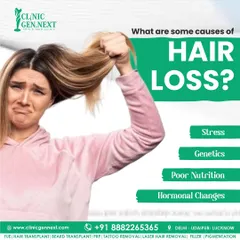
Understanding Hair Loss: Causes & Science-Backed Care
Understanding the Root Causes of Your Hair Loss
 5
5
Understanding Hair Loss: Causes, Solutions, and Expert Care
Understanding Hair Loss: Expert Guidance on Causes & Care
 4
4
Understanding Hair Loss: Causes, Diagnosis & Real Solutions
More from Hair Transplant & Restoration by Gaurav Garg
More services by Gaurav Garg