Musical Musings and Creative Process
Music is rarely the polished performance you see on stage. It is found in the hours of practice, the experiments, and the quiet moments where an idea clicks. Here is a glimpse into how I work, practice, and play.
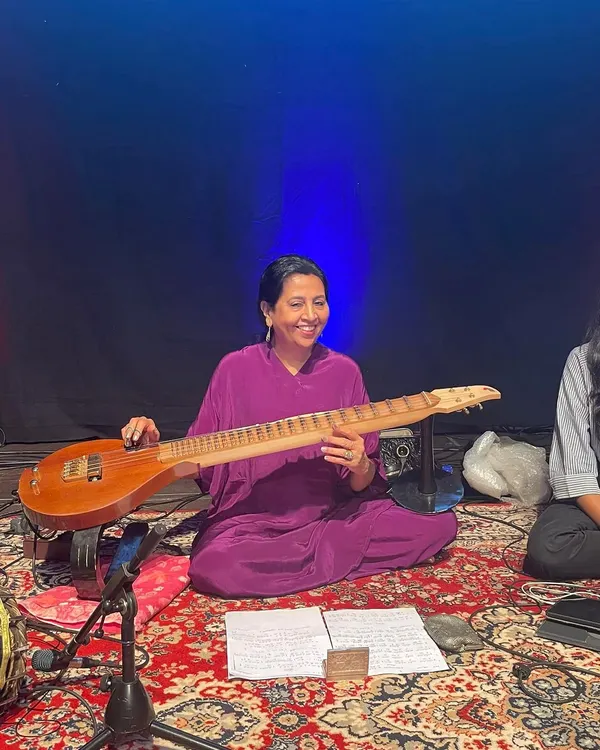
Exploring the raga Miyan Ki Malhar on the sitar. While I am not a sitar player, I find that dabbling in other instruments opens up new perspectives on melody and music.
After changing the strings on my sitar, the sound was so enchanting it led to a few hours of exploration. Here are some musings in ragas Piloo, Jaijaiwanti, and Patdeep.
I sat with the Mridangam after a long time. This is a short, inspired flow, an example of how I engage with percussion to deepen my understanding of rhythm.
A fun challenge I set for myself: composing a short `chittaswaram` for the raga Valaji that explores nine different colors of the note "Ni". This is inspired by the great Lalgudi Jayaraman mama.
A quick and energetic `chittaswaram` I composed for the famous kriti, Vatapi Ganapathim. This is part of my process of creating new embellishments for traditional compositions.
A raw, imperfect vocal exploration of the raga Patdeep. I believe in sharing these unpolished moments, as they are an honest part of the musical journey.
A close-up of my hand on the veena during a performance at the Darbar Festival. This image captures the intricate connection between the artist and the instrument.
An ode to my Veena. I sometimes turn to poetry to express my gratitude and relationship with my instrument, which I see as a patient and generous companion on my journey.
About Musical Musings & Creative Process
You will find my process here is quite untraditional. I often step away from the Veena to play the mridangam or sitar, purely to understand how rhythm and melody function differently across textures. These unpolished clips are how I keep my own learning active, and I believe understanding this side of the process is essential if you want to move beyond just playing notes.
My musical journey is not linear. It is a constant cycle of listening, analyzing, and trying to replicate what the masters—MDR mama, Zakir ji, and others—have gifted us. When I pick up a sitar or sit with a mridangam, it is not to claim mastery of that instrument. It is to find a fresh perspective on raga bhava or tala.
Why I Share The 'Imperfect'
We often pedestalize perfection in classical music, but the real learning happens in the errors. Whether I am struggling with a chittaswaram composition or trying to get a specific gamaka right, sharing these moments is my way of being honest about the effort required.
My Approach to Sadhana
- Kanakku (Rhythmic Math): I treat rhythm as a canvas. You will see in my practice sessions how I use arithmetic to construct patterns that feel natural rather than mechanical.
- Multi-instrumental Exploration: By engaging with percussion and other string instruments, I train my ears to listen differently, which eventually informs how I articulate gamakas on the Veena.
- The 'Sadhana' Mindset: My intensive stamina sessions are not about teaching theories. They are about the grit required to maintain clarity and note purity over hours of repetitive playing.
If you are looking to explore Carnatic music in this same spirit—where structure meets emotion and math becomes melody—then we will likely have much to discuss.
Similar work from other experts
Browse through Curated picks from other experts on mytribe
The Art of Sitar Practice: My Daily Riyaaz
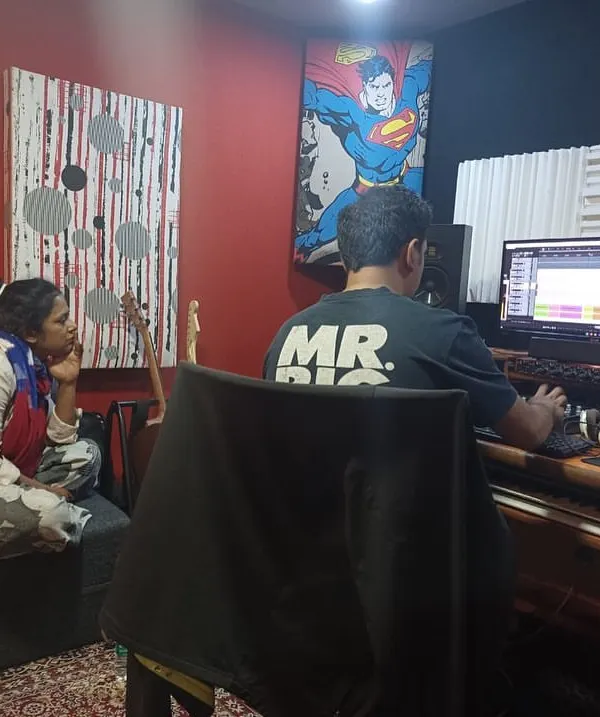
Behind the Scenes: Studio and Rehearsals
 11
11
Behind the Scenes: My Studio Recording Process
 6
6
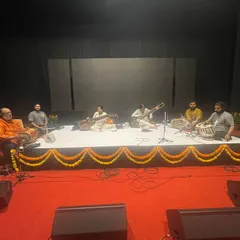
Behind the Scenes: My Veena Rehearsals and Sound Checks
Behind the Scenes of My Sitar Practice
Behind the Music: Sitar Studio Sessions & Raag Explorations
More from Carnatic Music Masterclasses & Workshops by Ramana Balachandhran
More services by Ramana Balachandhran