Solo Bharatanatyam: Exploring the Nayaka's Voice with Praveen Kumar
Namaskara. Most Bharatanatyam often focuses on the heroine, but my work shifts the lens to the Nayaka—the male protagonist. These solo recitals are an intimate conversation between the dancer and the rasika, accompanied by a live Carnatic ensemble. Let’s explore these untold stories together.
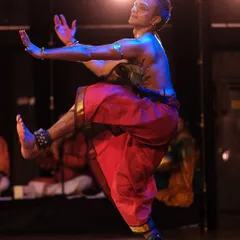
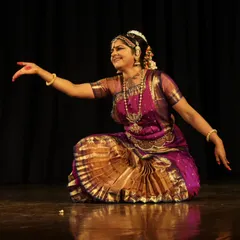
A moment of dynamic energy during a solo recital. This pose, captured mid-movement, reflects the powerful Nritta that forms the backbone of my performances, showcasing the athletic and graceful aspects of Bharatanatyam.
This clip captures the subtle yet profound storytelling of abhinaya. Portraying Krishna's love and longing for Radha, I use nuanced expressions and gestures to convey deep emotions, making the audience a part of the narrative.
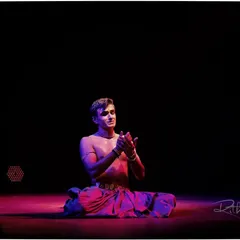
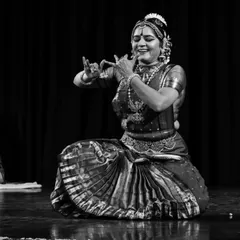
A moment of stillness and expression during the Soorya Festival. The precise hand gestures, or mudras, are a language in themselves, each one conveying a specific meaning or emotion within the story.
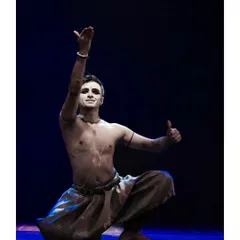
A powerful stance from my solo work "SAKHA" at the Smaran Dance Festival. This piece is dedicated to exploring the emotions of the male protagonist, a theme I am passionate about developing in Bharatanatyam.
In a moment of dynamic movement from "Sharanagathi," I explore the theme of surrender. This solo presentation combines intricate footwork with expressive storytelling to convey a deep spiritual journey.
A powerful pose from a solo performance at the Soorya Festival. The traditional costume and precise posture are integral to the Thanjavur bani, or style, that I practice and present.
The intensity of the moment is captured in this pose from "Sharanagathi." My solo work often involves exploring complex characters and their internal conflicts through the vocabulary of classical dance.
A display of pure form and balance during a solo recital. This posture, held with precision, demonstrates the control and physical discipline required in the art of Bharatanatyam.
A close up shot capturing the expressive quality of my performance at the Smaran Dance Festival. Through facial expressions and gestures, I aim to bring the characters and their stories to life for the audience.
A short glimpse, or jhalak, from an Astaragamalika Varna. This traditional composition is a centerpiece of a Bharatanatyam recital, blending pure dance, expressive storytelling, and intricate rhythmic patterns.
About Solo Recitals: The Nayaka's Voice
While the images capture a single pose, the magic of these recitals happens because of the live orchestra. I always perform with a full 4-piece Carnatic ensemble—vocalist, mridangam, flute, and nattuvangam—because the connection between us is improvised and unique every time. If you are planning a recital, ensure your venue can accommodate the acoustic needs of these live instruments; it is what turns a dance into a living conversation.
The Art of the Nayaka
Traditional Bharatanatyam often centers on the Nayika, or the heroine. My solo work is a deliberate exploration of the male protagonist, the Nayaka. By diving into the emotions and journeys of male characters from literature and mythology, I try to expand the vocabulary of classical dance. Whether it is a piece like "Sakha," which explores the bond of friendship, or the devotional surrender found in "Sharanagathi," my goal is to bring a depth of feeling that resonates with contemporary audiences.
Why Live Music Matters
Bharatanatyam is never just about the dancer on stage. The synergy between the dancer and the musicians is what makes a performance truly alive. My recitals are always accompanied by a live Carnatic orchestra. This is not just background music; it is a dialogue. The vocalist, the mridangam artist, the flautist, and the nattuvangam conductor react to my footwork and expressions in real-time. This spontaneity ensures that no two performances are ever identical.
Technical Requirements for Your Event
If you are considering hosting a solo recital in Bengaluru or beyond, there are a few practicalities to keep in mind.
- Acoustics: Because I use a 4-piece live ensemble, proper sound reinforcement is critical. The venue must be equipped with at least 5 professional-grade microphones (for 2 instruments and 3 vocals) and high-quality stage monitors.
- Performance Space: A clear, unobstructed stage is vital for the intricate footwork and the wide-ranging movements involved in pieces like my Varnas or the compositions of Thyagaraja.
- Duration: A typical solo recital ranges from 60 to 90 minutes. This provides ample time to move through the Margam or thematic storytelling while maintaining the narrative flow.
I treat every performance as a personal journey, ensuring that each venue, whether an intimate auditorium or a festival stage, is filled with the spirit of the art form.
Similar work from other experts
Browse through Curated picks from other experts on mytribe
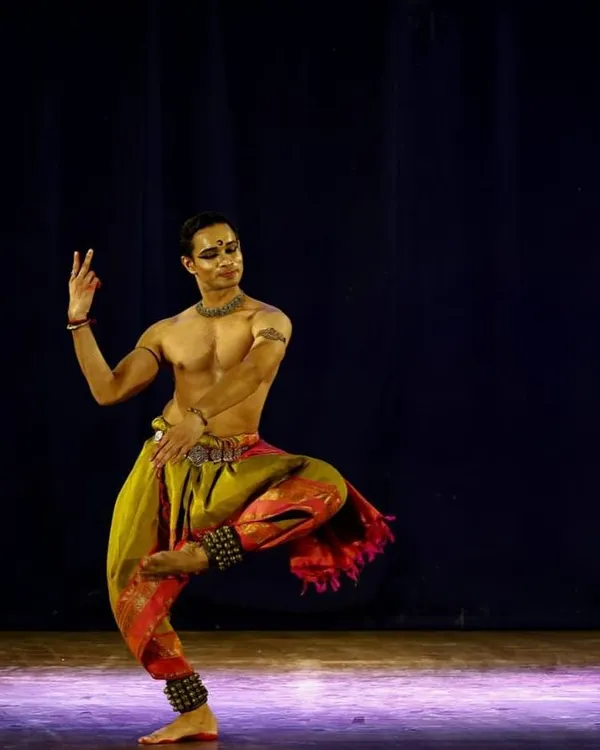 45
45Solo Bharatanatyam Recitals and Traditional Margam
Solo Bharatanatyam Recitals: The Art of Abhinaya
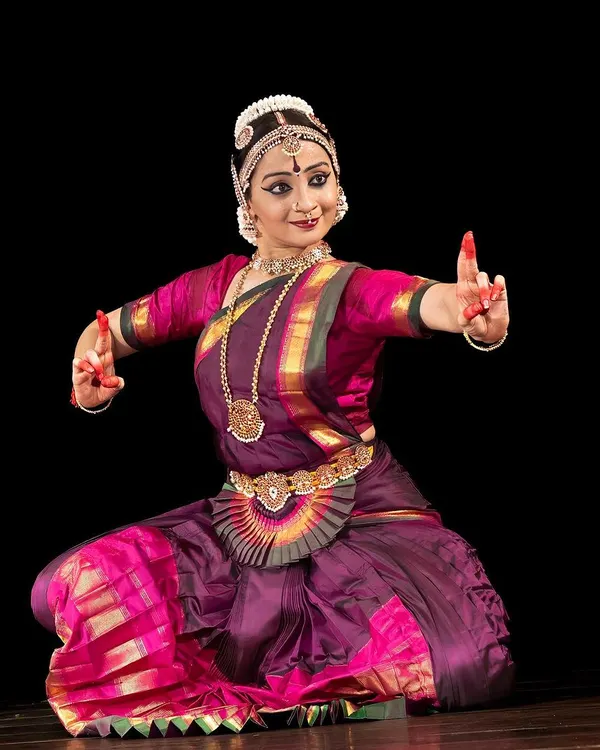 54
54
Solo Bharatanatyam Recitals and Classical Performances
Solo Bharatanatyam Recitals: The Margam and Beyond
 10
10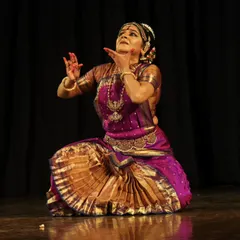
Traditional Solo Bharatanatyam Recitals in Delhi
 11
11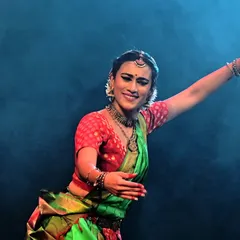
Solo Bharatanatyam Recitals
More from Bharatanatyam Performances by Praveen Kumar
More services by Praveen Kumar