Separation Anxiety in Dogs: A Compassionate Path to Calm
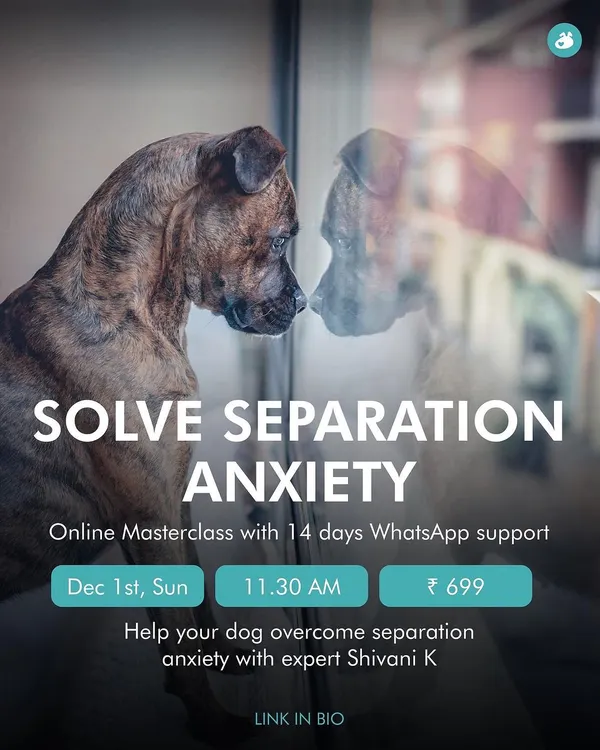
Separation anxiety is not a behavior problem to fix—it is a panic disorder. My approach helps you understand why your dog is struggling and how to build their confidence, one small step at a time.
This is a real moment captured on my home camera. My dog Candy, who has a history of separation anxiety, was having a hard day. I recognized she needed me, so I cancelled my plans. This is what empathy in pet parenting looks like; it's about support, not fixing.
What is separation anxiety? It's a panic attack your dog experiences when left alone. The signs can range from subtle stress signals like lip licking and yawning to more obvious ones like barking, destruction, or house soiling.
There are many myths about separation anxiety, like "letting them cry it out" or that letting them on the furniture causes it. My online workshops bust these myths and provide a science-backed, compassionate plan to help your dog feel safe when alone.
You don't have to ignore your dog when you come home. Your return is a moment of relief for an anxious dog. Greeting them calmly helps strengthen your bond; it doesn't reinforce their anxiety.
Leaving food toys out will not solve separation anxiety. An anxious dog is often too stressed to eat, or they will finish the toy and their panic will return. The food can even become a predictor that you're about to leave, increasing anxiety.
These are some of the gadgets I use to manage the environment for my dog Candy, who has a history of separation anxiety. Smart speakers for music and indoor cameras help me monitor her and ensure she feels secure when I'm away.
Here are four things I do to create a calm environment when leaving my dog alone. Playing relaxing music, shutting the curtains to block outside triggers, and using a fan for white noise can make a huge difference.
How do you know if your dog is truly fine alone? You can't guess. Using a security camera is essential. It allows you to monitor their body language in real-time to ensure they are not experiencing stress.
Does your newly adopted puppy have separation anxiety, or are they just adjusting? It takes time for a new dog to feel secure. My approach is to build their confidence gradually and never leave them alone for longer than they can handle.
Here are five essential tips for helping a dog with separation anxiety. This graphic series covers the foundational steps, from setting up a camera to building a support system.
About Understanding & Managing Separation Anxiety
You might be tempted to leave your dog with a loaded food toy to keep them busy, but here is the reality: an anxious dog is often too stressed to eat. If they do eat, they usually panic the second the food is gone. I don't use distractions to mask the fear. We work on building real confidence through gradual desensitization, teaching your dog that they are safe even when you are not in the room.
Why 'Fixing' Doesn't Work
When your dog screams, destroys furniture, or pees indoors the moment you step out, it feels like they are being 'naughty'. They aren't. They are having a genuine panic attack. Trying to ignore it, letting them 'cry it out', or tiring them out with extra exercise before leaving rarely solves the root issue. You cannot out-run a panic disorder.
My Approach to Alone-Time
I focus on a systematic plan that respects your dog’s threshold.
- Environment Management: We look at what triggers your dog. Is it the sound of the door? The keys jangling? We mute these triggers using white noise, curtains, or cameras to monitor their body language in real-time.
- Desensitization: We do not flood them with fear. We break down 'being alone' into tiny, manageable steps that your dog can actually handle without spiraling.
- Agency: We give your dog a voice. If they are showing signs of stress, we stop. We back up. We find a level they are comfortable with.
This is not about 'obedience' or 'commands'. It is about showing your dog that their world is safe and that you will always return. If you are tired of the guilt and the chaos, let’s build a plan that works for both of you.
Similar work from other experts
Browse through Curated picks from other experts on mytribe
 9
9

Understanding and Managing Your Dog's Anxiety
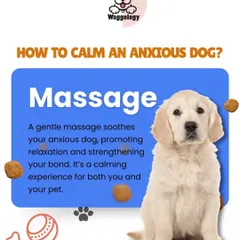
Overcoming Your Dog's Anxiety and Fearful Behavior
Building Confidence and Independence: Expert Training for Anxious Dogs
Building Confidence for Anxious or Reactive Dogs


Helping Your Reactive Dog Find Calm
Solving Problem Behaviors in Dogs
More from Online Workshops & Masterclasses by Kirti Tripathi
More services by Kirti Tripathi