Managing Resource Guarding in Dogs
Resource guarding is a survival instinct, not a sign of dominance. Let us look at how to manage it safely using positive reinforcement.
Do you know the early signs of resource guarding? It's not always a growl. Subtle signs include freezing, eating faster, or giving a hard stare. If these warnings are ignored or punished, the behavior can escalate to biting.
Here's how to handle taking something unsafe from your dog without conflict. I use a "trade up" game, tossing high-value treats away from the object. This creates a positive emotional response to me approaching when she has something.
How you respond is how you train. When Evara picked up my glasses, I didn't panic. I calmly asked for a "drop" and traded her for treats. This reinforces that giving things up to me is a rewarding experience.
You're not alone if your dog growls or snaps when you approach their food bowl. Many dogs feel the need to protect their resources. It's a normal behavior that we can manage with understanding and the right techniques.
Resource guarding is a natural survival behavior. What's not normal is setting our indoor dogs up for failure by ignoring their subtle warnings, which can cause them to escalate to a bite.
Here's one simple change you can make if your dog guards their food bowl. This series of graphics walks you through a simple but effective management strategy.
One simple fix? A food bowl with a grip. If the bowl doesn't slide around, there's no need for a human to step in and adjust it, which reduces stress for your dog and risk for you.
Food time doesn't have to be a training drill where you prove you're in charge. Let your dog eat in peace. We should train FOR the moment, not IN the moment.
This graphic introduces key things to keep in mind when your dog shows signs of resource guarding. Understanding the behavior is the first step to addressing it safely and effectively.
The first step is to identify the resources. Find out what items, spaces, or even people your dog guards. This will help you create a management plan to prevent the behavior from being rehearsed.
About Resource Guarding: A Compassionate Approach
If your dog guards their food or toys, do not rush to take the item away. That only confirms their fear that you are a threat. Instead, practice trade-up games where you offer something more valuable, like a high-value treat, away from the guarded item. This shifts their emotional response, teaching them that your approach is a good thing, not a reason to panic.
Understanding the 'Why'
Resource guarding is a natural survival instinct. When a dog growls or stiffens over a chew, they are communicating that they feel their possession is at risk. It is not about dominance or being a 'bad dog'. By punishing these early warning signs like freezing or eating faster, you risk suppressing their communication. This can cause them to skip the warnings next time and escalate straight to snapping or biting.
Management First
You cannot train a dog who is panicked. If your dog is guarding, your first priority should always be management to keep everyone safe.
- Give space: If you see your dog guarding, back away. Do not move toward them or reach for the item.
- Limit access: Keep high-value items out of reach when you cannot supervise.
- Create a routine: Keep meal times calm and uninterrupted.
The 'Trade-Up' Game
Once the environment is safe, we use classical conditioning to change the dog's emotional state. We want to teach them that a human approaching while they have a toy or food is a positive event.
- Keep high-value treats like boiled chicken or cheese in your pocket.
- Toss the treats away from the item the dog is guarding.
- As the dog moves away to eat the treat, you can safely remove the guarded item. This technique builds trust. Eventually, the dog will look at you when you approach, expecting a reward rather than feeling the need to defend their item.
When to get professional help
If your dog has already bitten or if their guarding behavior is severe, such as guarding you, other people, or multiple spaces, please reach out for professional help. We can create a structured modification plan to ensure the safety of your family and the well-being of your dog.
Similar work from other experts
Browse through Curated picks from other experts on mytribe
Solving Problem Behaviors in Dogs
Tackling Aggression & Reactivity in Dogs
 4
4

Solving Tricky Dog Behaviors with Patience
Address Dog Aggression Through Understanding, Not Force
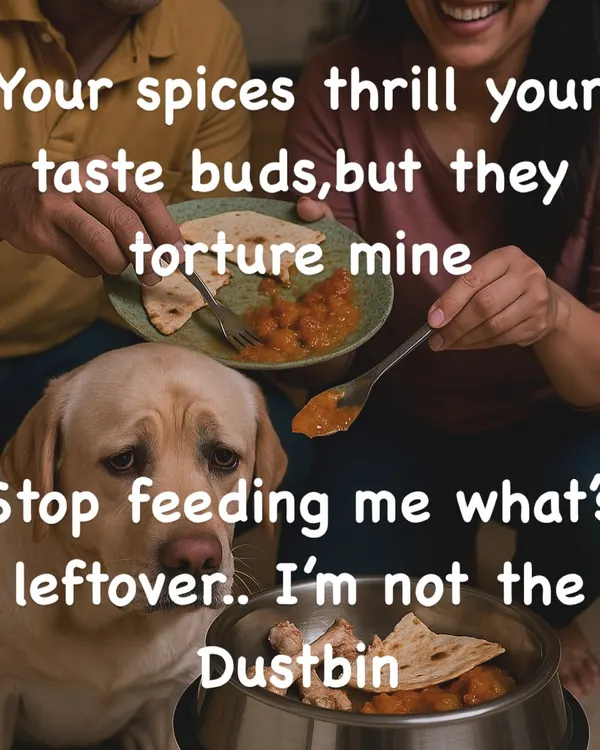 5
5
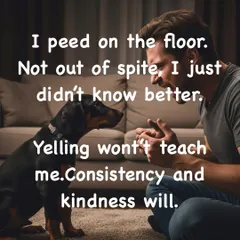
Understanding Your Dog's Behavior and Needs
Aggressive Dog Behavior Rehabilitation & Control
More from Online Workshops & Masterclasses by Kirti Tripathi
More services by Kirti Tripathi