Dog Training Tools & Harness Recommendations
A well-equipped home and the right walking gear set the stage for success. Here are the tools I actually use and recommend to keep your dog comfortable and stress-free.
This video explains three key things to look for when choosing a harness: it shouldn't block the shoulder, it should have multiple adjustment points, and it should leave space behind the elbow.
Still confused about which harness to pick? This video compares the restrictive step-in and no-pull models to the much safer and more comfortable Y or H-shaped harnesses.
Is your dog uncomfortable with their harness? This video explores common reasons, from a poor fit and touch sensitivity to a negative association with walks.
Pet safety gates are an excellent management tool. This video lists their many uses, from keeping dogs out of trouble to ensuring safety when guests are over.
This video shows how simple management solutions, like baby gates, can lead to less effort, less micromanagement, and better results in daily life.
This video showcases the gadgets I use to leave my dog with separation anxiety home alone without guilt, including a smart speaker for music and an indoor camera.
Setting up treat stations around the house is a game-changer. This video explains how having treats readily available helps you reward good behavior in the moment, wherever you are.
How do you know if your dog is really fine home alone? This video explains the importance of using a security camera and even offers a DIY solution using a laptop and Zoom.
This video recommends two essential books for every pet parent: "Canine Enrichment for the Real World" and "Meet Your Dog," which provide a deeper understanding of your dog's needs and behavior.
About My Training Tools & Recommendations
Most pet parents in Delhi are surprised to learn that 'no-pull' harnesses often restrict a dog's shoulder movement, which can cause long-term pain and stress. Before you buy more gear, observe how your dog moves—if the equipment blocks their natural gait, you are likely working against your own training efforts.
Choosing the Right Walking Gear
When it comes to walking, your dog's comfort is paramount. Many commercially popular 'no-pull' harnesses actually sit directly on the shoulder joints, restricting the dog's range of motion and potentially causing muscle stiffness over time.
I always recommend Y-shaped or H-shaped harnesses. These designs allow for a full, natural gait and are far more ergonomic. When you are shopping, check for multiple adjustment points so you can get a fit that is secure without being restrictive. If your dog is hiding when you bring out the leash, it is often a sign that the gear—or the walk itself—is associated with discomfort or stress.
Management is Not 'Giving Up'
Many clients feel they are failing if they use management tools like baby gates or playpens. Please shift that perspective. Management is simply setting your dog up for success. If your dog gets frantic when the doorbell rings, a safety gate creates a physical barrier that prevents the behavior from happening in the first place. This avoids the need for you to yell, get frustrated, or force your dog into a 'stay' command they aren't ready for.
Tech for Peace of Mind
If you have a dog with separation anxiety, tools are your best friend. Simple items like indoor pluggable cameras allow you to monitor your dog when you are away without guessing. I also use smart speakers to play background noise, which helps mask the sounds of the stairs or parking area that can trigger reactive dogs.
My Top Reads for Pet Parents
I highly recommend Canine Enrichment for the Real World by Emily Strong and Allie Bender, and Meet Your Dog by Kim Brophey. These books provide a deeper understanding of your dog's genetics, environment, and individual needs, which is the foundation of any good training plan.
Similar work from other experts
Browse through Curated picks from other experts on mytribe
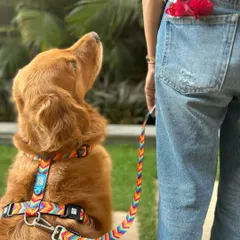
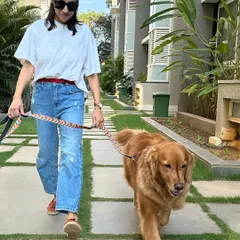
Choosing the Right Gear for Your Dog
Professional Leash Training for Calm Dog Walks
Leash Manners & Stress-Free Walks
Force-Free Dog Training Techniques for Better Communication
Stress-Free Walks: Leash Training & Reactivity
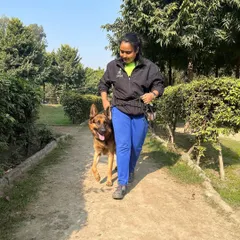
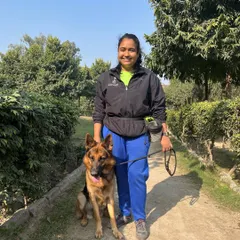
Mastering the Walk: Calm Leash Training in NCR
More from Dog Behavior & Training by Kirti Tripathi
More services by Kirti Tripathi