Practical Life Skills: Building Independence in Children
Practical life skills turn everyday tasks into powerful learning moments. When children learn to pour, scrub, or button their own clothes, they aren't just helping out; they are building the confidence to say, 'I did it myself.'
A child carefully pouring from one container to another. This simple activity is a lesson in precision, control, and concentration, building skills that are essential for writing and other academic work.
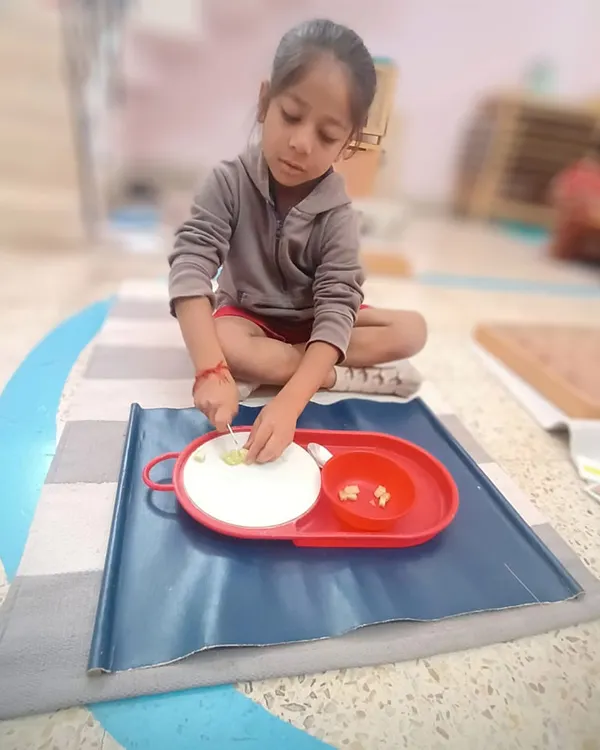
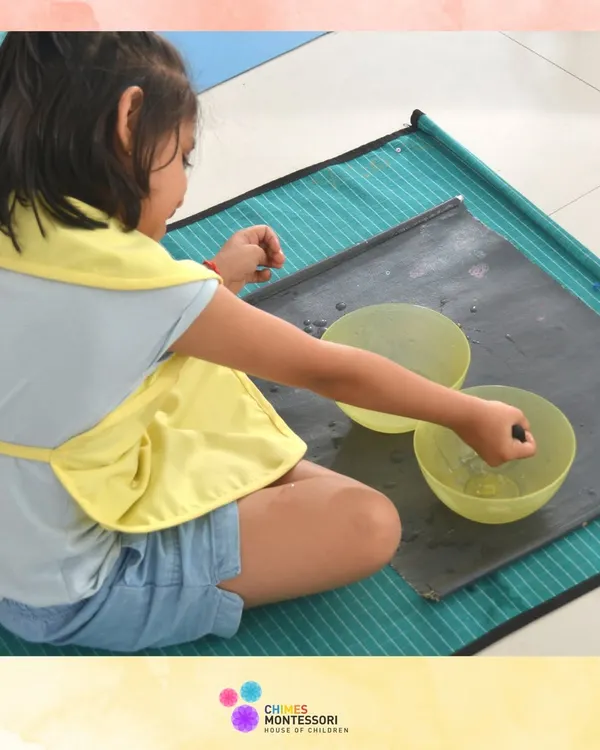
A child learns to wash with a sponge and water. This practical life activity teaches a multi-step process, develops motor skills, and instills a sense of care for one's environment.
From peeling carrots to pouring lentils, this video highlights various practical life activities. These tasks are not chores; they are purposeful work that builds a child's independence and self-esteem.
This child is mastering the skill of tying a bow using one of our dressing frames. These frames isolate specific skills, allowing children to practice and perfect them without frustration.
Our little chefs are gathered around, watching a demonstration on how to mix ingredients. Baking is a wonderful group activity that teaches science, math, and the importance of following a sequence.
Taking turns to mix the batter. This moment teaches patience and collaboration, as children work together to create something delicious.
Carefully pouring milk into the bowl. This child is practicing her measuring skills and developing hand-eye coordination, all while contributing to the group's baking project.
A young child measures ingredients for a cake. Even our youngest learners participate, building their confidence and feeling like capable members of our community.
A child reads the recipe written on the chalkboard. This connects the practical activity of baking with literacy skills in a meaningful way.
This child is carefully measuring out an ingredient. The concentration on her face shows how engaging these real-life tasks are for young learners.
About Practical Life Skills: Building Independence & Confidence
Take our baking activities, for instance. It is not just about making a cake. A child reads the recipe, measures flour, mixes ingredients, and waits for the bake. This process connects literacy, measurement, and patience. They learn to follow a sequence, refine their hand-eye coordination, and experience the satisfaction of creating something real with their own two hands.
In the Montessori method, Practical Life is the foundation of everything else. It bridges the gap between home and school, allowing children to move with purpose. When a child carefully polishes a wooden box or scrubs a table, they are not just cleaning; they are refining their motor skills and concentration. These movements are deliberate, quiet, and satisfying.
We use specific tools like dressing frames to isolate skills. By practicing with zippers, buttons, and snaps on these frames, children gain the finger dexterity they need to get dressed without help. It removes the frustration often associated with learning these tasks at home.
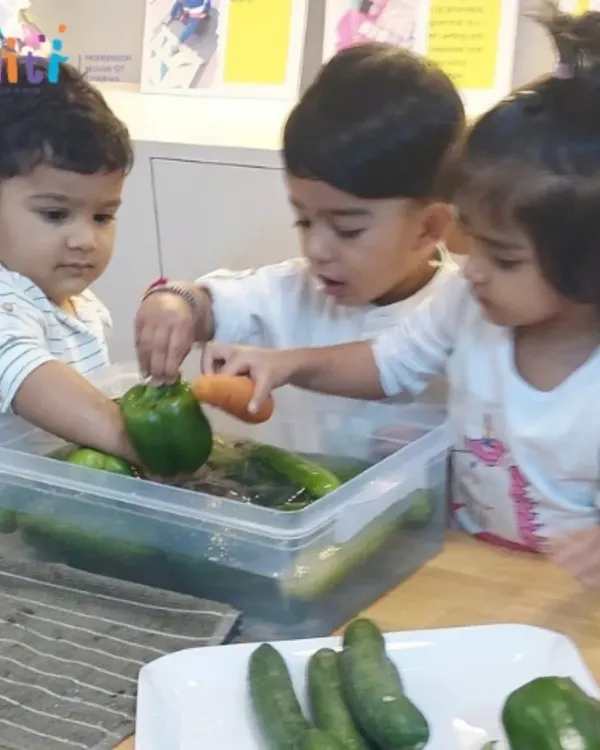
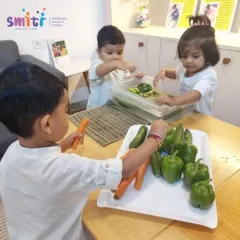
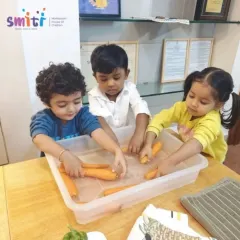
You will see our students engage in real work, like peeling carrots or pouring lentils. These tasks are not chores. They are essential exercises in precision and control. By mastering the sequence of pouring or mixing, children develop a sense of order. This order creates a calm mind, which is exactly what we need before they start diving into complex math or language concepts. It is all connected. We believe that when children are trusted with real, breakable, and meaningful work, they rise to the occasion every time. Hum sab ek parivaar hai, and these tasks are just one way we help your child find their rhythm.
Similar work from other experts
Browse through Curated picks from other experts on mytribe
 31
31
Practical Life Skills and Child Independence
Practical Life Skills: Montessori Learning by Doing
 37
37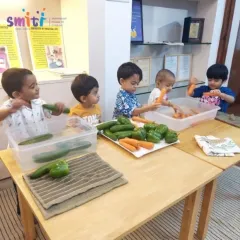
Building Independence Through Montessori Practical Life Skills
 17
17
Building Capable Children Through Practical Montessori Skills
Practical Life Skills: How Children Build Independence
Practical Life Skills: Montessori Learning in Action
More from Montessori Education Program by Nivriti Montessori
More services by Nivriti Montessori