Camera Trap Wildlife Photography
My camera traps reveal the secret nocturnal lives of animals, capturing natural behaviors in the heart of the urban wilderness.
While setting up a camera trap for big cats, I was surprised by these two langur monkeys. They seemed fascinated by their own reflection, triggering the shutter over 3,000 times in a single day in what I can only describe as a selfie session.
This raw, infrared camera trap image shows the leopard Luna with her cubs at a waterhole. The glowing eyes and grainy quality give it an ethereal feel, a secret family portrait from the middle of the night.
About The Unseen Moment: From the Camera Trap
These images are rarely the result of a single lucky shot. My camera trap rigs use motion-activated infrared sensors and off-camera lighting to document species like leopards or langurs for days at a time. This approach allows me to observe animals without my own presence, capturing the raw, unscripted moments that define their actual lives rather than their reaction to a human photographer.
The Technical Rig
I deploy high-end DSLR setups housed in custom weather-proof casing. Unlike basic commercial trail cams, I use multiple off-camera flash units to create studio-quality lighting, even in the middle of a forest at 3 AM. This is how I achieve detailed, ethereal shots of leopards moving through the shadows or monkeys interacting with their own reflections.
The Strategy
It starts with tracking. Before a single camera is placed, I spend time identifying animal corridors, checking for pugmarks, and reading scat. My goal is to position the rig where the animal naturally passes, ensuring I am a respectful guest in their environment.
The Commitment
This is a week-long engagement per setup. I visit the site mid-week to check batteries, adjust angles, and review the initial footage. It is not about volume of images, but about the patience required to tell a story. If you are looking to document wildlife in a specific corridor or study an animal’s movement patterns over time, this is the most ethical and effective method available. It provides a permanent, high-resolution record of behavior that is otherwise impossible to witness directly.
Similar work from other experts
Browse through Curated picks from other experts on mytribe
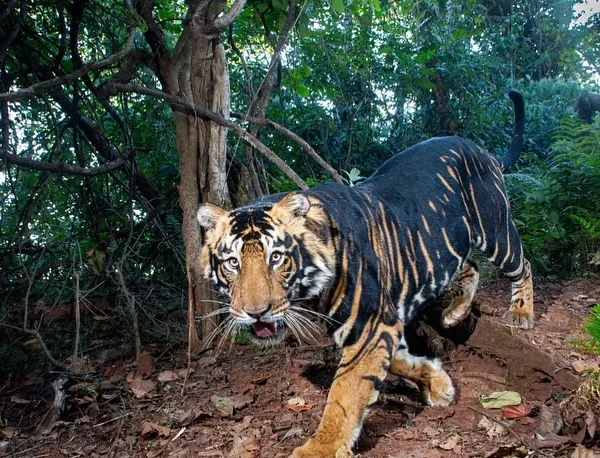 15
15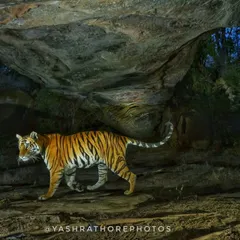
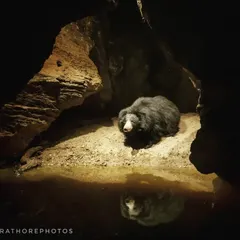
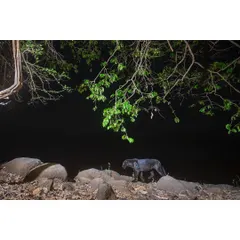
Camera Trap Photography: The Ghosts of the Forest
 12
12
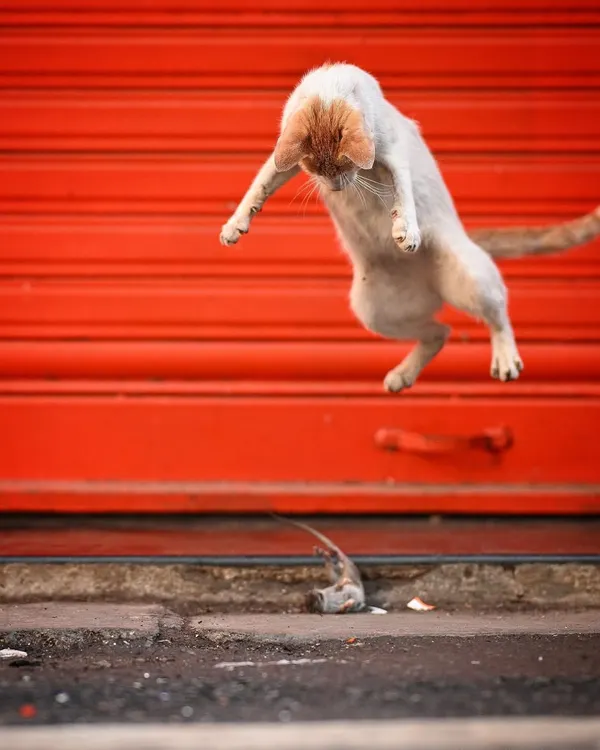
Wildlife Photography: Capturing Raw Animal Instincts in Mumbai
 64
64
Raw Wildlife Photography & Animal Portraits
 16
16
Fine Art Photography of Wild Creatures
 11
11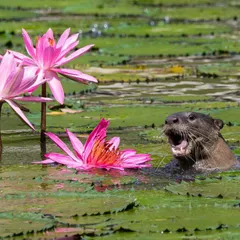
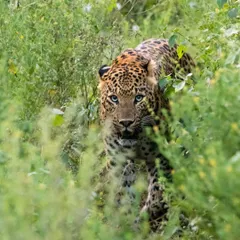
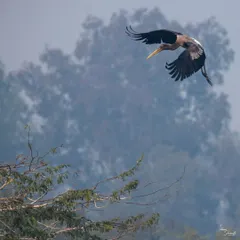
Wildlife in Motion: Capturing Animal Behavior
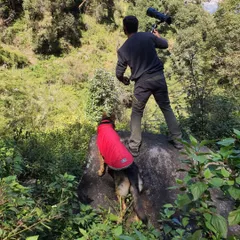
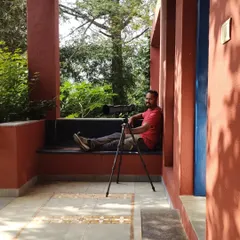
Wildlife Photography and Behind-the-Scenes Adventures
More from Conservation Storytelling & Visual Advocacy by Nayan Khanolkar
More services by Nayan Khanolkar