Wildlife Research Photography and Conservation Storytelling
Visual narratives that bridge the gap between scientific research and human-wildlife coexistence in Mumbai’s urban landscapes.
This aerial view shows the stark boundary between the green expanse of Sanjay Gandhi National Park and the dense urban sprawl of Mumbai. This is the frontline of human-wildlife interaction, a 9000-hectare forest in the heart of a megacity.
A wild leopard, one of more than 50 living in the park, looks over the city it calls home. These predators have adapted to this unique environment, with stray dogs making up a significant portion of their diet.
This image shows a leopard named Radhika, captured during a period of conflict in 2004. Today, technology like camera traps helps verify 'problem animals' to prevent unnecessary removals from the wild.
A wildlife researcher and a forest department official track a radio-collared leopard at night. This collaborative project is essential for understanding how leopards use the urban landscape, providing data for better management and conflict mitigation.
A team of veterinarians and researchers carefully fits a wild leopard with a satellite radio collar. This scientific intervention is a key part of the effort to study and protect Mumbai's unique urban leopard population.
The tolerance of the Warli community is a major reason for the leopards' survival here. This portrait of artist Dinesh Barap against a traditional mural symbolizes a culture that has long integrated wildlife into its worldview.
As a photographer, I see my role as a bridge between these different worlds. I spend my time in the field to capture the full story of conservation, from the animals themselves to the people dedicated to their future.
About Documenting Coexistence: Research & Community
True conservation storytelling requires more than just a lens. My process involves collaborating with researchers, forest officials, and local communities to document the reality of human-wildlife interaction. From radio-collaring operations to portraits of the Warli tribe, these images are built on deep field access and years of trust, designed to serve as both an archive and an advocacy tool for your project.
Documentation in this field is fundamentally a collaborative act. Capturing images of a leopard being radio-collared or the quiet daily lives of the Warli community requires patience, scientific understanding, and permission. My approach to this research-focused photography is to step behind the scenes, capturing the essential work that enables urban biodiversity to survive.
The Science of Observation
Wildlife photography in a city like Mumbai is not just about the final image. It is about documenting the process. When I accompany Forest Department officials or researchers on tracking missions, the goal is to provide a visual record of their methodology. This includes the use of radio collars for movement tracking, the setup of camera traps, and the careful monitoring of human-leopard conflict zones. These assets are vital for NGOs, environmental publications, and conservation reports that require scientifically accurate visuals.
Cultural Integration
Coexistence is a social challenge as much as a biological one. My documentation includes deep dives into the Warli community, whose traditional knowledge helps mitigate conflict. By capturing their portraits against the backdrop of their murals and forest-fringe homes, I aim to show the human element of conservation. This is not staged photography. It is the result of spending time in these spaces, understanding the local context, and respecting the people who live on the frontlines of the wild.
Field-Ready Documentation
If you are an academic institution, an environmental agency, or a publisher looking for high-impact visual stories, I offer a 3-day turnaround for dedicated documentation projects. This includes:
- Technical Asset Creation: High-resolution documentation of field research, tagging, and habitat monitoring.
- Community Narratives: Portraits and environmental documentation of local tribes and forest communities.
- Evidence-Based Reporting: Writing and photography that links technical data with visual impact, suitable for annual reports, policy advocacy, or exhibitions.
Similar work from other experts
Browse through Curated picks from other experts on mytribe
 8
8
Conservation Photography & Wildlife Filmmaking
Photography with Purpose: Ethical Nature & Pet Portraits
 12
12
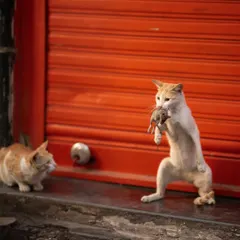
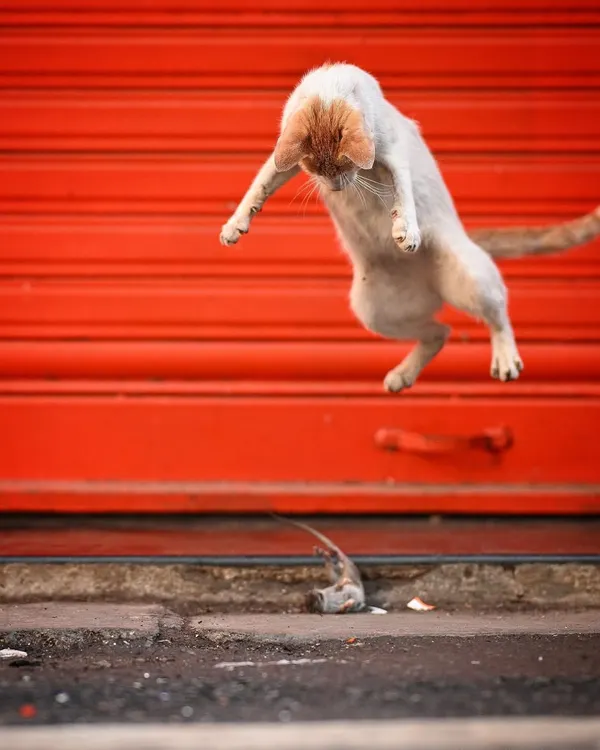
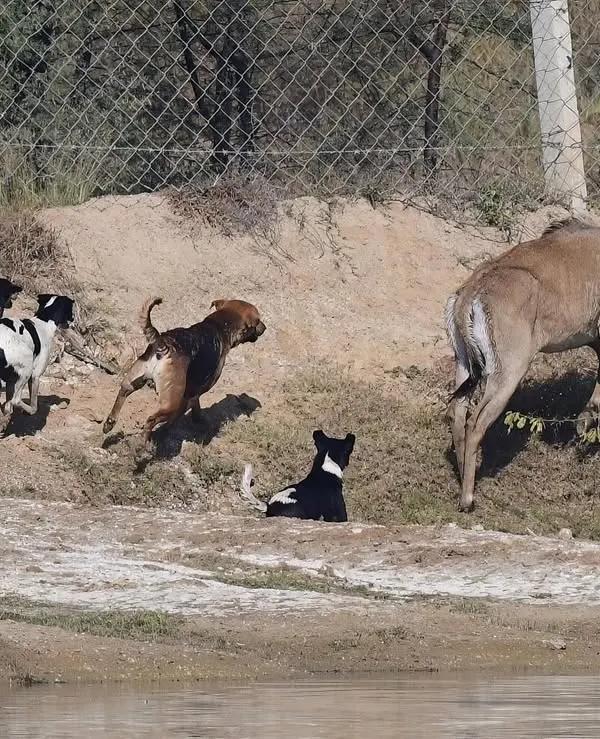
Wildlife Photography: Capturing Raw Animal Instincts in Mumbai
 14
14
Conservation Photography and Wildlife Documentation
 44
44
A Photographer's Journal: Conservation and Nature Stories
 64
64
Raw Wildlife Photography & Animal Portraits
More from Conservation Storytelling & Visual Advocacy by Nayan Khanolkar
More services by Nayan Khanolkar